Key Takeaways: US Leverage Tested in Sudan
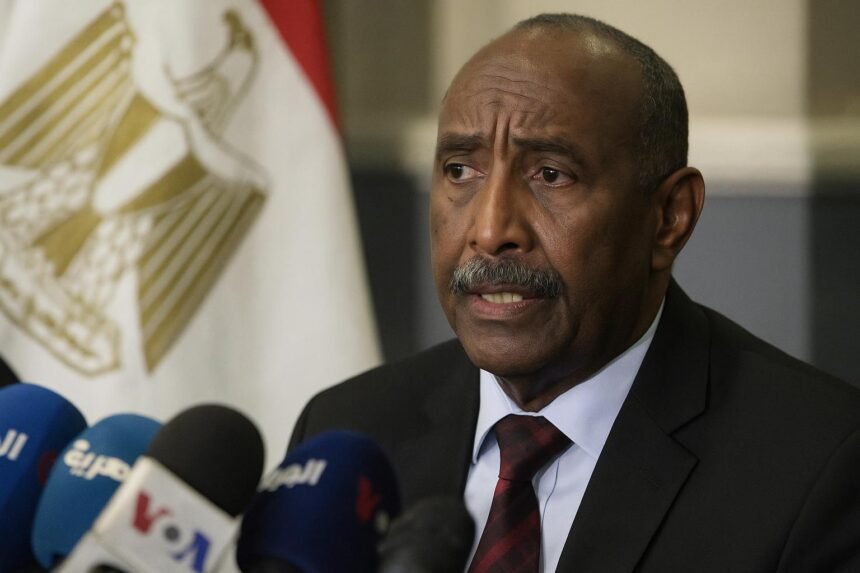
General Abdel Fattah al-Burhan has publicly invited Washington to intensify its peacemaking after months of inconclusive regional shuttle diplomacy. His message, published by the Wall Street Journal, underscores both the importance that Khartoum places on American influence and the limits of earlier initiatives led by Riyadh and Abu Dhabi.
- Key Takeaways: US Leverage Tested in Sudan
- Context: From Regional Mediation to White House Attention
- Timeline: Ceasefire Proposals and Expanding Frontlines
- Timeline: Rebel Calculus and Humanitarian Windows
- Actors: Military Fragmentation Inside Sudan
- Actors: The Regional Quartet’s Diverging Interests
- Actors: Great-Power Optics for Washington
- Scenarios: A Brokered Pause Versus Protracted Attrition
- Scenarios: External Pressure and Conditional Aid
- Scenarios: Implications for African Multilateral Security
- What to Watch Next
Context: From Regional Mediation to White House Attention
The Biden administration announced last week that it would revisit the Sudan file at Saudi Arabia’s request, reviving memories of earlier US engagement during Sudan’s transition. Al-Burhan welcomed the step, writing that “the Sudanese people now turn to Washington for the next step” (Wall Street Journal). As the humanitarian toll climbs, outside credibility becomes currency.
Timeline: Ceasefire Proposals and Expanding Frontlines
Since April, at least seven ceasefire drafts have circulated among the warring Sudanese Armed Forces and the Rapid Support Forces. None survived more than a few hours once declared. The latest plan, tabled by the Quad—United States, Saudi Arabia, United Arab Emirates and Egypt—was dismissed by al-Burhan as biased because of Abu Dhabi’s alleged sympathy for the paramilitaries.
Timeline: Rebel Calculus and Humanitarian Windows
General Mohamed Hamdan Dagalo, known as Hemedti, voiced conditional support for a three-month humanitarian pause, but his units pressed an offensive on Khartoum’s outskirts the same day. Washington’s special envoy for the Horn of Africa, Massad Boulos, urged both men on 25 November to accept “a truce without preconditions”, yet artillery still thundered across the Nile that evening.
Actors: Military Fragmentation Inside Sudan
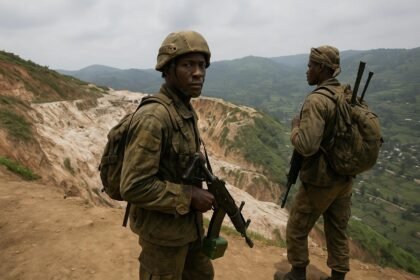
Al-Burhan faces an officer corps split between hard-line combat commanders and pragmatists wary of drawn-out urban warfare. Some generals resent any forum that places them on par with Hemedti, whom they regard as a militia leader. That internal friction constrains concessions, forcing al-Burhan to project resolve even while appealing for external mediation.
Actors: The Regional Quartet’s Diverging Interests
Riyadh seeks stability on the Red Sea rim and has bankrolled previous Jeddah talks. Abu Dhabi views the RSF as a potential counterweight to Islamist revival inside Sudan. Cairo’s priority is safeguarding Nile waters and curbing any spill-over into its southern frontier. Washington, juggling all three partners, must reconcile these agendas before nudging the generals toward compromise.
Actors: Great-Power Optics for Washington
By stepping in, the White House signals that Sudan’s crisis sits within a broader contest over influence in the Red Sea corridor. A diplomatic breakthrough would showcase US convening power at a time when Russia courts Sudanese gold exports and plans a naval facility at Port Sudan. Failure, however, could reinforce perceptions of waning American clout.
Scenarios: A Brokered Pause Versus Protracted Attrition
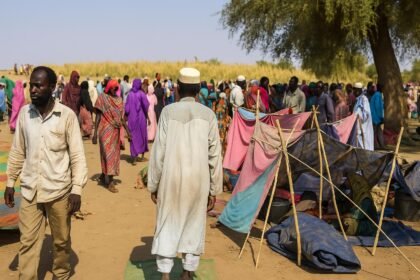
The most optimistic scenario envisages a renewable 30-day pause, verified remotely by satellite imagery and a tripartite monitoring cell in Port Sudan. Relief corridors could follow, easing pressure on Khartoum’s displaced population. A bleaker path foresees grinding street battles that drain both armies yet entrench local war economies, complicating any later political settlement.
Scenarios: External Pressure and Conditional Aid
US officials hint that restoration of Sudan’s debt relief track and development financing could hinge on an immediate cessation of hostilities. Saudi Arabia may leverage deposit pledges for Sudan’s central bank, while Egypt could recalibrate fuel deliveries. The generals, aware of mounting fiscal stress, calculate whether battlefield gains outweigh the cost of isolation.
Scenarios: Implications for African Multilateral Security
Continued fighting risks undermining African Union peace-and-security mechanisms, which already grapple with crises in the Sahel and Great Lakes. A US-brokered ceasefire could invigorate AU leadership, bridging continental and external efforts. Conversely, prolonged violence might invite competing mediation tracks, fragmenting diplomatic coherence and delaying any credible post-war governance roadmap.
What to Watch Next
Signs of de-escalation would include joint SAF-RSF attendance at talks without preconditions and a lull in air strikes over Khartoum. Conversely, intensified shelling around the presidential palace or renewed RSF advances toward Merowe airport would indicate hard-liners in ascendance. In either case, Washington’s response in coming weeks will shape the trajectory of Sudan’s war and the region’s security calculus.