Key Takeaways: South Kivu Under Fire
The ink on Thursday’s peace accord had barely dried before the slopes between Bukavu and Uvira shook again to the sound of mortars. Witnesses in Luvungi counted three civilian deaths; Mutarule registered the same grim toll. The persistence of violence underlines how fragile security arrangements remain despite renewed diplomatic choreography in Washington.
- Key Takeaways: South Kivu Under Fire
- Washington Accord Under Strain
- Front Lines Around Kaziba and the Ruzizi Plain
- Human Toll and Displacement Mount
- Local Economies in Limbo
- Regional Accusations Escalate
- UN Observers Caught in Cross-Fire
- Civil Society Voices Struggle to Be Heard
- Diplomatic Clock Ticks Loudly
- Complex Web of Armed Actors
- Burundi’s Strategic Calculus
- Economic Stakes for the Great Lakes
- Will the Cease-Fire Hold?
Washington Accord Under Strain
Signed on 4 December in the US capital by Presidents Félix Tshisekedi and Paul Kagame, the agreement promised an immediate cessation of hostilities. Yet United Nations field notes on 5 December described a tense night punctuated by artillery flashes along the Ruzizi River plain. For local commanders, the cease-fire appears more aspirational than operational.
Front Lines Around Kaziba and the Ruzizi Plain
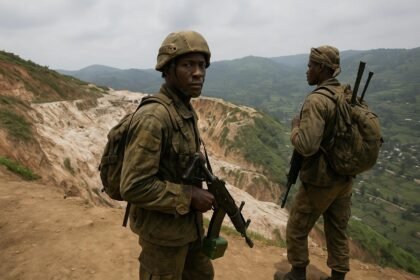
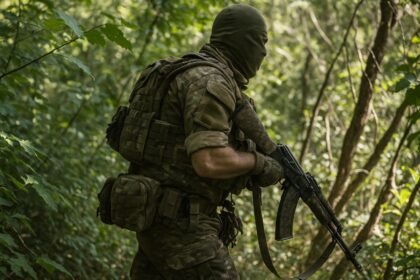
Clashes pitted DR Congo’s armed forces and allied Wazalendo militia, reinforced by Burundian troops, against AFC/M23 units reportedly backed by Rwanda. In Kaziba’s surrounding hills, residents who had sheltered in mud-brick homes since midweek finally fled on foot toward Walungu. Meanwhile, explosions in the Ruzizi corridor rattled nerves from Kamanyola market to riverbank cane fields.
Human Toll and Displacement Mount
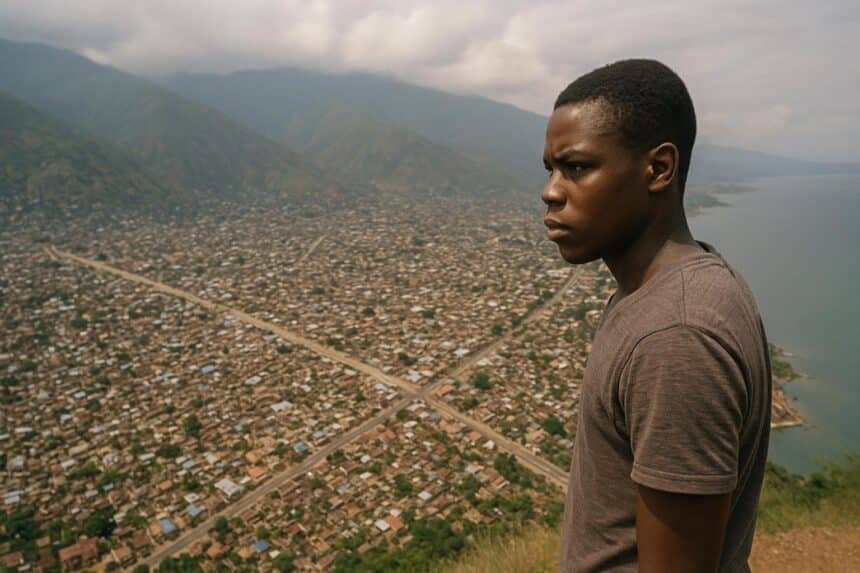
Eyewitnesses estimate that 90 percent of Luvungi’s population left the area overnight, trekking to Uvira or smaller inland villages. Some tried to cross into Burundi but were turned back by soldiers patrolling the river ford. The Office for the Coordination of Humanitarian Affairs warned that spontaneous displacement could overwhelm already stretched shelters around Uvira and lose track of unaccompanied minors.
Local Economies in Limbo
Despite sporadic shelling, stalls in Kamanyola reopened, selling manioc flour and phone airtime under corrugated roofs. Traders interviewed by community radio said they calculated risk hour by hour, closing shutters at the crack of each detonation. Without a predictable truce, farm-to-market supply chains along the RN5 highway remain fragile, heightening food price volatility across South Kivu’s plateaus.
Regional Accusations Escalate
The AFC/M23 movement accused Burundian forces of bombing densely populated zones. Bujumbura countered by blaming AFC/M23 for cross-border strikes. Kigali has not publicly detailed its posture since the Washington ceremony, while Kinshasa insists Rwanda must rein in the rebels. The cacophony of claims complicates verification efforts and dilutes international pressure behind the new accord.
UN Observers Caught in Cross-Fire
MONUSCO patrols reported shrapnel landing within 300 metres of their forward operating base near Luberizi. Peacekeepers limited movement to essential escorts, citing uncertainty over chain-of-command compliance with the cease-fire. A senior mission analyst argued that monitoring frameworks need digital triangulation tools, but equipment procurement struggles to match the pace of shifting front lines.
Civil Society Voices Struggle to Be Heard
Kaziba’s parish network broadcast appeals for humanitarian corridors over shortwave, yet fading batteries and damaged transmitters limited reach. Women’s associations in Walungu urged negotiators to involve grassroots leaders in follow-up mechanisms, warning that agreements struck in distant capitals risk unraveling if local grievances over land and ethnic representation remain unresolved.
Diplomatic Clock Ticks Loudly
Analysts note that the Washington accord hinges on a 30-day review clause. If field commanders fail to disengage by early January, donor confidence in the peace roadmap could erode. Observers in Addis Ababa suggest the African Union’s Peace and Security Council may convene an emergency session to buttress the deal with regional guarantors.
Complex Web of Armed Actors
Beyond the headline forces, smaller Mai-Mai factions exploit the vacuum to raid roadblocks, and reports of opportunistic banditry blur the distinction between political insurgency and criminal enterprise. Each armed group’s micro-alliance shifts with supplies of ammunition or a promise of local authority, making sustainable demobilization plans exceedingly intricate.
Burundi’s Strategic Calculus
Bujumbura’s deployment along the Ruzizi coincides with its ambition to secure trade corridors and dampen insurgent spillover. Officials insist participation is defensive, yet regional diplomats acknowledge Burundi’s leverage in border security dialogues. How its troops interact with MONUSCO and FARDC in coming weeks may tilt the operational balance either toward de-escalation or further entanglement.
Economic Stakes for the Great Lakes
The Bukavu-Uvira axis feeds into corridors connecting Katanga’s mineral exports to Tanzanian ports. Sustained conflict threatens logistics arteries vital to copper and cobalt supply chains. Investment analysts warn that insurance premiums for freight haulers have already risen, signaling possible ripple effects on regional revenue projections if hostilities persist through the first quarter.
Will the Cease-Fire Hold?
History counsels caution; previous agreements—from Lusaka in 1999 to Nairobi in 2022—offered hope before succumbing to entrenched mistrust. The Washington pact adds high-level political visibility, yet its endurance will depend on disciplined troop withdrawal, rapid humanitarian relief and verifiable oversight. For thousands now on the move in South Kivu, tangible calm, not communiqués, will measure success.