Key Takeaways
Ghana’s foreign minister Samuel Okudzeto Ablakwa has confirmed for the first time that Ghanaian nationals are fighting with Russian forces in Ukraine. One of them was captured near Zaporizhzhia and is now a Ukrainian prisoner of war. Accra rejects any inclusion of its citizen in Russia-Ukraine exchange lists and seeks a direct bilateral solution.
Context of Ghanaian Enlistment
Since early 2024 social media feeds in Accra have circulated videos of young men in Russian fatigues speaking Twi and Ga, claiming to have signed contracts with Moscow. Some described attractive salaries and residency prospects; others alleged coercion after being lured by false job offers, reports that local NGOs consider credible (RFI).
African participation in the conflict remains numerically modest but symbolically potent. Nigeria, South Africa and Kenya have warned citizens against foreign recruitment, yet economic pressure and digital propaganda continue to draw volunteers. Ghana, coping with youth unemployment above 12 percent, is particularly exposed to such transnational promises.
Timeline of the Captive’s Journey
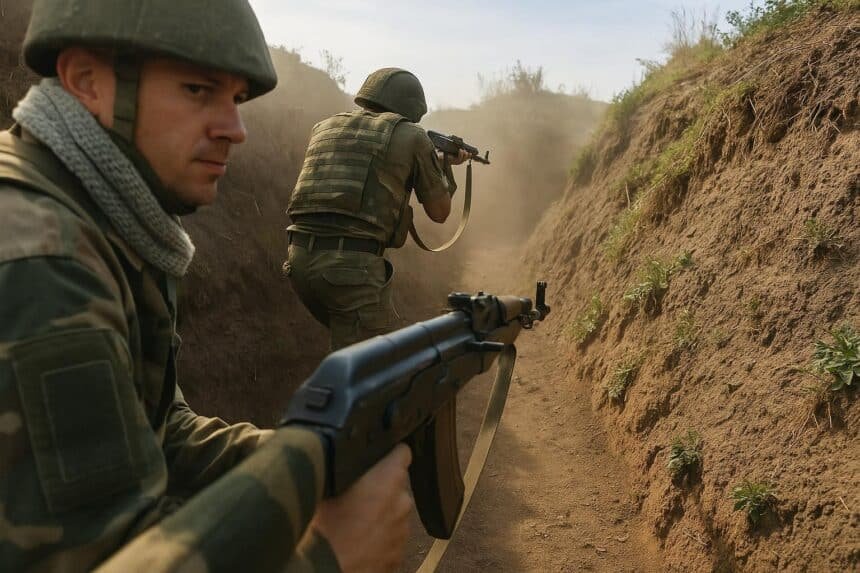
According to Ablakwa, the unnamed Ghanaian travelled to Russia in July 2024 on a private visa. Within weeks he signed a military contract and was deployed to the Zaporizhzhia front in southeastern Ukraine.
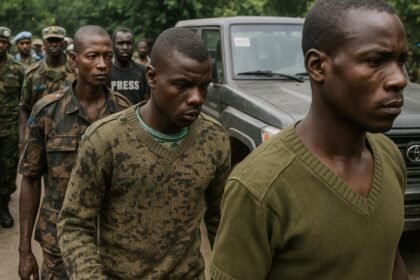
Ukrainian forces took him prisoner during autumn operations designed to blunt Russian advances. His capture surfaced in Kyiv’s official communiqués last December, but Accra only confirmed the identity after verifying biometric data transmitted through the International Committee of the Red Cross.
Principal Actors and Their Calculus
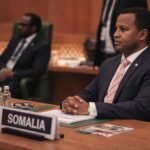
Ablakwa, an experienced parliamentarian before joining cabinet, has framed the issue as a humanitarian duty rather than an endorsement of either belligerent. Kyiv’s Foreign Ministry, eager to highlight foreign fighters on Russia’s side, views the case as a deterrent message to potential recruits.
Moscow remains publicly silent. Diplomatic analysts in Accra suggest the Kremlin prefers to avoid spotlighting African volunteers, whose legal status under Russian mobilisation laws can be murky. The International Committee of the Red Cross acts as the neutral channel for prisoner lists and family notifications.
Diplomatic Scenarios Under Review
Scenario one is a direct bilateral accord between Accra and Kyiv leading to a one-off release on humanitarian grounds. Such gestures have precedent in the conflict and allow Ukraine to cultivate goodwill in West Africa without consulting Moscow.
Scenario two would see the prisoner folded into a broader multilateral exchange mediated by Turkey or the UAE. Ghana opposes this route, fearing its national could be stranded in a prolonged bargaining cycle dominated by great-power priorities.
Strategic Implications for West Africa
The episode exposes how the Russia-Ukraine war has expanded into African domestic debates on security, employment and migration. Ghana’s measured engagement contrasts with louder narratives in Sahelian capitals that have openly courted Russian military support.
For the Economic Community of West African States, the case may prompt discussion on a regional protocol discouraging mercenary enlistment. Abuja and Dakar have already floated joint awareness campaigns to curb recruitment drives that circulate on encrypted messaging apps.
Voices from Accra’s Civil Society
University of Ghana political scientist Dr. Ama Mensimah argues that “the state must address root causes—economic precarity and limited career paths—otherwise young men will keep looking abroad, even to battlefields.” Her remarks reflect growing concern that foreign wars magnify local vulnerabilities.
Families in Kumasi and Tamale are contacting the Foreign Ministry to check on missing relatives rumored to be in Donbas. A mother interviewed on public radio pleaded, “We need government guidance before more lives are lost to promises that are not real.”