Ce qu’il faut retenir
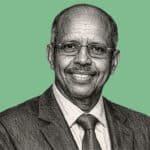
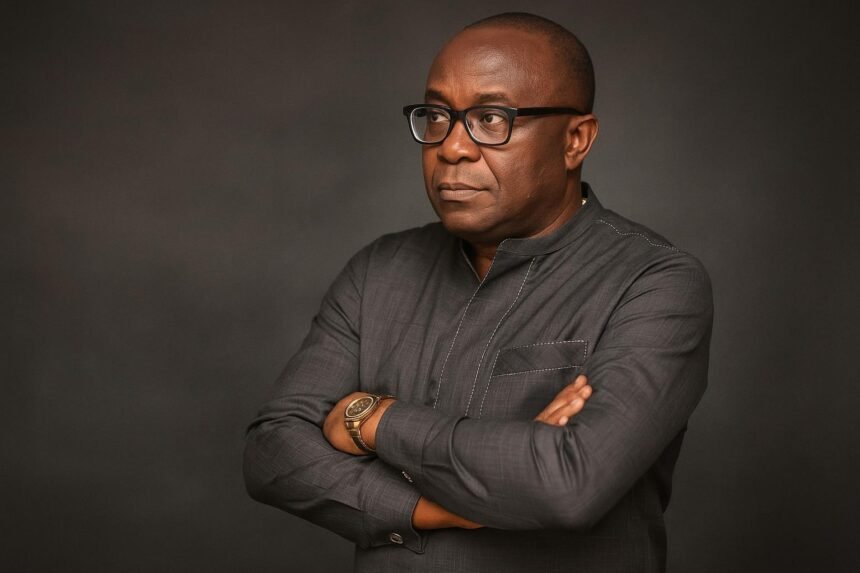
Guy Robert Lukama, back from Washington, insists that stability in eastern provinces is no longer a humanitarian issue but the key to unlocking the Democratic Republic of Congo’s mineral wealth and channelling it into development.
Contexte régional
The 4 December peace accord signed by Kinshasa and Kigali seeks to defuse a cycle of violence that has periodically shut down cross-border trade routes and discouraged capital expenditure in North Kivu and Ituri. Although sporadic clashes persist, the agreement outlines security mechanisms intended to reassure investors and facilitate joint infrastructure along key corridors.
Brazzaville has quietly supported diplomatic shuttle efforts within the International Conference on the Great Lakes Region, underscoring Central Africa’s collective interest in a functional eastern DRC. Stable transit through the Congo River basin and the Atlantic ports remains vital for regional diversification, including for Congo-Brazzaville’s own exporters.
Economic Cooperation Frameworks
The peace roadmap is twinned with new economic frameworks that go well beyond conventional mineral offtake agreements. Kinshasa and Kigali envisage shared processing hubs for tantalum and tungsten, joint revenue collection points, and a monitoring committee that includes regional observers. For Lukama, these clauses embed economic incentives directly into the fragile security architecture.
Rwanda’s land-linked economy gains predictable access to Congolese ores, while the DRC anticipates lower smuggling volumes and higher tax capture. Early drafts also mention training exchanges in mine oversight and customs digitisation. The symmetry, argues the Gécamines chairman, reduces zero-sum calculations that have long plagued resource politics in the Great Lakes.
In practical terms, the accord could reshape freight flows from Kolwezi to Mombasa, complementing existing corridors to Matadi and Pointe-Noire. Multimodal pilots — rail, river and road — are being sketched by technical teams, Lukama says, stressing that diversified outlets increase bargaining power in offtake talks.
Gécamines’ Roadmap
Gécamines, still majority-state-owned, is repositioning itself from a royalty collector to an industrial operator. Lukama speaks of reviving dormant copper and cobalt pits through joint ventures that keep at least 40 % of equity onshore. The board has already commissioned audits to map legacy liabilities and identify assets that can underpin syndicated loans.
Domestic value addition remains the leitmotif. A feasibility study is under way for a solvent-extraction plant near Likasi, designed to supply regional battery manufacturers. The chairman argues that higher local content will cushion the treasury against future commodity downturns and demonstrate that peace translates into tangible industrial spin-offs.
Yet Gécamines’ turnaround, he admits, hinges on disciplined governance. The company plans quarterly disclosures of production data and contract terms, a novelty in its half-century history. Lukama maintains that enhanced transparency will reassure international creditors while giving Congolese parliamentarians empirical benchmarks to monitor whether the peace-economy nexus delivers on its promises.
Washington Engagement
In Washington, Lukama met export-credit agencies and congressional staff, pitching the eastern peace accord as a de-risking event for critical mineral supply chains. U.S. interlocutors linked credit guarantees to measurable security milestones, pressuring all signatories to turn press releases into patrols.
The visit nevertheless signals that Western capitals now see stability in Kivu as integral to their own energy-transition agendas. By framing peace as a supply-chain imperative, Lukama aligns Gécamines with policy currents that transcend traditional development aid, potentially widening the pool of financiers beyond the usual club of commodities traders.
Congressional aides, according to his briefing notes, were particularly attentive to traceability. They requested quarterly updates on conflict-free certification, hinting that any future tariff incentives would be conditional. For Lukama, such conditionality could accelerate the digital overhaul of customs systems already envisaged in the Kinshasa-Kigali annexes.
Outlook and Scenarios
The most favourable scenario sees the peace accord holding, smuggling falling and copper output rising by a quarter within five years. A middle path expects intermittent insecurity but passable corridors, shaving ten percent off earnings. The downside envisions relapse into conflict, wiping out fresh investments.
Lukama publicly banks on the first scenario, yet instructs his teams to prepare contingency budgets. He is reluctant to discuss troop deployments, noting only that the coordination cell promised in the 4 December text would, if operationalised, give mining operators a direct interface with security forces for early warning and rapid route reopening.
Investors watching the Great Lakes have learned to calibrate optimism. Still, the linking of peace and profit, epitomised by Lukama’s mantra, places a price tag on insecurity that regional leaders cannot ignore. Whether that market logic proves stronger than long-standing grievances will determine how fully the DRC converts geology into prosperity.