Ce qu’il faut retenir
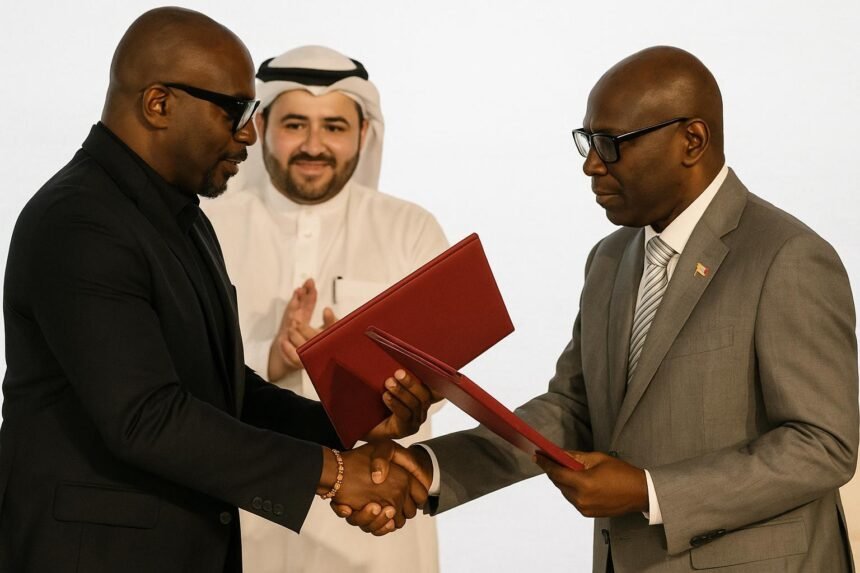
The framework accord signed in Doha on 15 November 2025 between Kinshasa and the politico-military AFC/M23 does not proclaim peace yet, but it crystallises the first jointly agreed rules of engagement after three years of upheaval in North Kivu and Ituri.
By locking in a cease-fire verification mechanism and a prisoner-exchange roadmap, the parties have given mediators a concrete yardstick to measure goodwill, while postponing more delicate questions—state authority, refugee return, security arrangements—to forthcoming sessions.
Contexte
Qatar’s mediation, discreetly launched earlier this year, offered the belligerents a neutral arena distant from the turbulent front line. Doha’s status as an emerging convenor of African peace processes has been reinforced by the signatures gathered beneath its chandeliers.
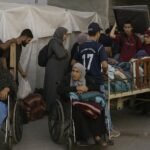
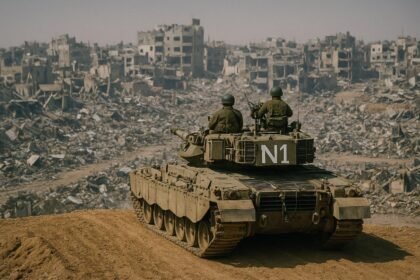
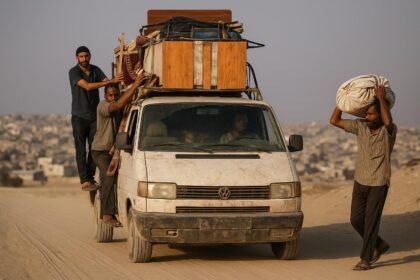
The negotiations unfolded as fighting continued around strategic axes near Goma. Humanitarian agencies count more than two million displaced since 2022, a reminder that diplomatic clocks and battlefield calendars seldom synchronise.
Calendrier
The signed document commits teams to reconvene within weeks to finalise outstanding protocols. Mediators intend to channel technical committees toward a comprehensive text before the first quarter of 2026, yet no deadline is legally binding.
On the ground, implementation of the prisoner-exchange and ceasefire verification clauses should begin immediately, but officials admit that assembling joint monitoring teams and vetting detainee lists could stretch into early 2026.
Acteurs
Kinshasa’s delegation was led by senior presidential adviser Jean-Pierre Bemba, while AFC/M23 field commander Sultani Makenga headed the rebel bench. Qatari foreign ministry official Mutlaq Al-Qahtani chaired the sessions and hailed the accord as an “important milestone”.
Regional stakeholders—the African Union, the International Conference on the Great Lakes Region, and capitals from Kigali to Brazzaville—closely observed proceedings, mindful that any durable settlement will recalibrate security balances across Central Africa.
Field Realities
Despite the Doha handshake, reports of sporadic fire near Rutshuru illustrate the fragility of the truce. Commanders on both sides must relay orders through fragmented chains of command, and spoilers, including local militias, may test the new verification mechanism.
Humanitarian corridors, contingent on sustained calm, remain thin. Aid convoys still need armed escorts, casting doubt on how quickly displaced communities can contemplate a safe return envisaged in the yet-to-be-negotiated refugee protocol.
Diplomatic Dynamics
For Kinshasa, the accord offers a chance to internationalise responsibility for monitoring, reducing bilateral friction with neighbouring Rwanda, often accused by Congolese officials of backing the insurgency. Placing verification under Qatari facilitation adds an external layer of accountability.
AFC/M23, meanwhile, secures political recognition and a framework to address its longstanding demands, from amnesty to security sector integration. The group portrays the signature as proof that it seeks political accommodation, not perpetual insurgency.
Scenarios
Should the next round lock in modalities for restoring state administration in rebel-held zones, donors could rapidly mobilise stabilisation funds, opening space for demobilisation programmes and the gradual redeployment of Congolese civil servants.
Conversely, delays or renewed clashes could erode trust, harden negotiating positions, and push displaced populations deeper into humanitarian limbo. Mediators emphasise that the signatories, not the facilitators, hold the keys to either scenario.