
Key takeaways from Arlit uranium convoy
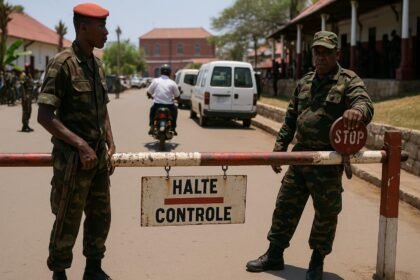
A military-escorted column left the Somaïr uranium mine at Arlit on 27 November, beginning a 250-kilometre trek through Niger’s northern desert toward Agadez. The stock, part of the 1,300 tonnes stored on site, now sits at the heart of escalating Franco-Nigerien tension.
- Key takeaways from Arlit uranium convoy
- Nationalisation reshapes Somaïr dynamics
- Orano’s arbitration strategy intensifies
- Tiani’s sovereignty stance and search for buyer
- Security, safety and destination unknowns
- Diplomatic temperature between Niamey and Paris
- Legal suspense and procedural milestones
- Next checkpoints to watch
The military escort underlines Niamey’s determination to retain physical control of its strategic resource after the 2023 coup. French miner Orano, previously majority shareholder of Somaïr, immediately distanced itself from the operation, stating it neither initiated nor received official data on tonnage, route security or destination.
Nationalisation reshapes Somaïr dynamics
In June, Niamey nationalised the Société des mines de l’Aïr, diluting Orano’s 63-percent stake and increasing the role of state-owned Sopamin. The takeover marked a decisive moment in post-coup resource policy, signalling that the uranium stockpile would serve domestic priorities before external shareholders.
The result is a rare situation in which more than 1,300 tonnes of high-value ore sit under the sole authority of a transition government facing contested legitimacy abroad but firm support from its security forces at home. Control of that physical asset has become both symbol and leverage.
Orano’s arbitration strategy intensifies
Unable to access the site, Orano opted for legal recourse. Two arbitration cases have already been launched, including one before the International Centre for Settlement of Investment Disputes, which in September instructed Niger not to dispose of the uranium. Niamey’s convoy signals a willingness to face additional legal fallout.
The company’s latest statement reiterates that it reserves the right to start further actions. Absent clarity on quantity moved or final destination, Orano frames the transport as a breach of protective measures ordered by arbitrators and as a precedent that could reverberate across future investor-state relations.
Tiani’s sovereignty stance and search for buyer
Visiting the north earlier in November, General Abdourahamane Tiani insisted that Niger will request permission from no one to commercialise its uranium. According to a source close to the authorities, the overriding condition is to find a credible buyer so the country does not inadvertently contribute to nuclear proliferation.
The statement aligns with the military escort’s show of control yet acknowledges reputational stakes linked to uncontrolled resale. Whether the convoy forms part of exploratory marketing or an actual transaction remains unconfirmed, but the messaging seeks to frame the movement as an assertion of nationhood rather than a clandestine sale.
Security, safety and destination unknowns
Neither Niamey nor Orano has published logistical details beyond the initial 250-kilometre leg between Arlit and Agadez. Unknowns include the radiation shielding used, the itinerary beyond Agadez and any third-party guarantees. These blanks leave outside observers unable to assess compliance with transport safety norms or eventual non-proliferation safeguards.
For now the stock’s location, potential purchaser and onward handling remain opaque. Each layer of uncertainty feeds the broader dispute: Niamey underscores control, Paris-based Orano cites breached injunctions, and international arbiters watch for evidence of further transfers. The desert convoy may therefore foreshadow additional courtrooms rather than immediate market deliveries.
Diplomatic temperature between Niamey and Paris
Relations have deteriorated sharply since the 2023 coup, and the convoy narrative inserts uranium into an already sensitive dossier. By moving product without French company involvement, the authorities illustrate a break with past economic interdependence, a gesture likely to harden rhetoric on both sides of the arbitration tables.
Niamey’s emphasis on popular ownership of the ore seeks to build domestic backing, while Orano’s appeals to international law aim to reassure its shareholders. The result is a dual-track conversation—one nationalist, one juridical—that may slow progress toward any mutually acceptable commercial settlement.
Legal suspense and procedural milestones
The ICSID ruling instructing Niger to keep the uranium off the market represents an interim measure, not a final award. Concrete penalties would arise only after substantive hearings, giving both parties time to adjust strategies. The convoy, however, creates factual change that arbitrators must now take into account.
Lawyers for Orano argue that any transfer undermines the status quo and could justify emergency relief. Government representatives, by contrast, point to nationalisation decrees to claim full proprietorship. The forthcoming procedural calendar is therefore likely to hinge on evidence of actual sale or mere repositioning within Nigerien territory.
Next checkpoints to watch
Until the cargo’s endpoint is disclosed, the 27 November convoy remains a moving puzzle whose missing pieces include buyer identity, export paperwork and timeframe. Each unanswered element will surface in media narratives and arbitration filings, shaping how investors appraise risk in a post-coup Niger focused on resource sovereignty.