Key Takeaways
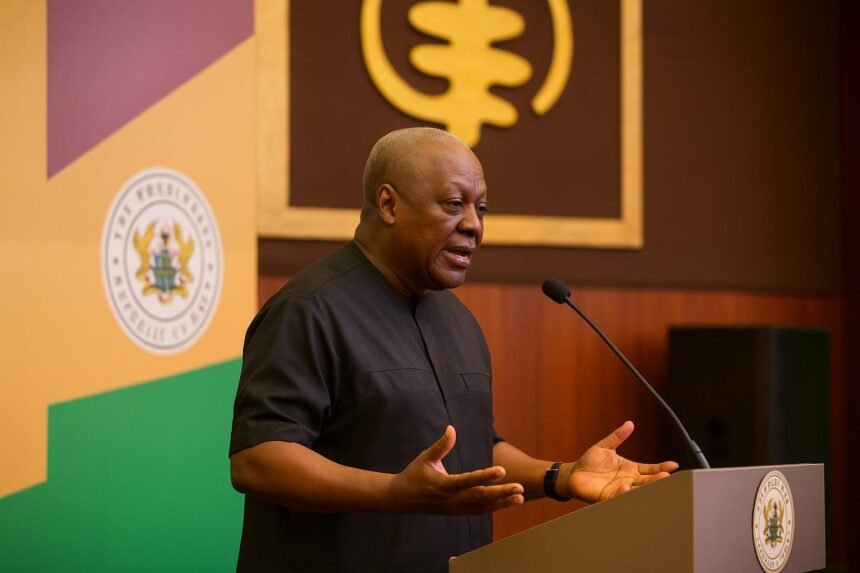
In late September, Ghana’s Foreign Minister Samuel Okudzeto Ablakwa broke the news that the United States had returned to issuing multi-year visas to Ghanaian citizens, reversing a July decision that slashed validity to just three months. The restored regime instantly eases travel for students, business leaders and diaspora families who rely on lengthy permits.
- Key Takeaways
- Context: July’s Sharp Curtailment
- Calendar: A Swift Diplomatic Turnaround
- Actors and Motives
- Diplomatic Bargaining Behind the Reversal
- Impact on Ghanaian Mobility and Education
- Cameroon and Nigeria Still Sanctioned
- Regional Ripple Effects
- Possible Scenarios
- Quiet Recalibration of US-Africa Policy
- What to Watch Next
Context: July’s Sharp Curtailment
The Trump administration announced the restrictive policy in July, targeting Ghana alongside Cameroon, Ethiopia and Nigeria. Washington argued that shorter visas would encourage compliance with US immigration rules. For Ghana, the shift was jarring: in 2024 its nationals ranked fifth in Africa for overall US visas and second for student categories.
Calendar: A Swift Diplomatic Turnaround
Only twelve weeks separated the punitive order and its withdrawal, a pace that surprised observers in Accra. Ablakwa credited “months of diplomatic negotiations”, yet offered no public details of the bargaining. The State Department confirmed the change without elaborating on conditions, leaving analysts to dissect the quiet concessions made along the way.
Actors and Motives
Bright Simons, honorary vice-president at the Ghanaian think tank IMANI, sees a clear quid pro quo. “It is the only plausible explanation,” he told local media, noting that Ghana had recently agreed to accept migrants of other nationalities deported from the United States. No other policy shift, he argued, could have prompted Washington’s sudden goodwill.
Diplomatic Bargaining Behind the Reversal
The timing aligns with the signing of a migration-management accord in which Accra consented to host selected third-country evacuees. Ghana framed the arrangement as a humanitarian gesture toward West Africans stranded in the US system. Washington, meanwhile, secured a partner that can absorb deportees without domestic political fallout on American soil.
Impact on Ghanaian Mobility and Education
Longer visas restore predictability for thousands of Ghanaian students preparing for the January semester in US universities. Families regain the option of multiple entries without repeated consular fees. Business travel, crucial for a diaspora-driven tech sector, also benefits: executives once limited to ninety-day windows can now negotiate multi-year contracts with fewer administrative hurdles.
Cameroon and Nigeria Still Sanctioned
While Accra celebrates, Cameroon and Nigeria remain subject to the three-month ceiling. Neither capital has signed a comparable migrant-reception deal with Washington. Their lingering penalties underline Simons’s argument that the visa question hinges less on overstay statistics than on strategic cooperation with US migration objectives.
Regional Ripple Effects
Other West and Central African governments are watching closely. The episode signals that Washington is willing to trade visa privileges for assistance in offshoring deportations. For policymakers in Yaoundé or Abuja, the lesson is stark: without parallel concessions, restrictions could persist and even tighten, affecting student pipelines and remittance flows.
Possible Scenarios
Should Accra successfully integrate the deportees, it may leverage that role into broader security or development partnerships, including access to US training funds. Conversely, any domestic backlash against hosting third-country nationals could pressure the government to renegotiate terms, risking a reinstatement of visa limits.
Quiet Recalibration of US-Africa Policy
The affair illustrates Washington’s evolving toolkit on the continent: visa policy as a bargaining chip in migration diplomacy. Soft power, once wielded through aid or military cooperation, now intertwines with mobility rights that directly affect Africa’s middle class. Ghana’s swift relief showcases both the leverage and liabilities that come with such negotiations.
What to Watch Next
Attention now shifts to implementation. The number, nationality and legal status of migrants to be transferred to Ghana remain undisclosed. Civil-society groups seek clarity on vetting processes and support packages, while universities prepare for an influx of Ghanaian applicants freed from earlier uncertainty. For Washington, successful execution could model future deals across the continent.