El-Enany’s Overwhelming Mandate
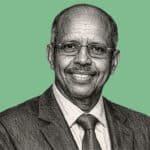
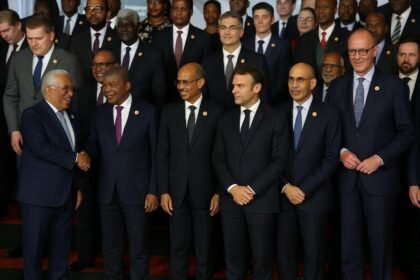
Monday, 6 October saw Khaled el-Enany secure 55 of 57 ballots to become UNESCO’s Director-General. The former Egyptian minister of Tourism and Antiquities is the first Arab and only the second African to hold the post. His sweeping margin equips him with rare political capital at a moment the organisation faces acute financial uncertainty.
- El-Enany’s Overwhelming Mandate
- A Budget Squeezed by Washington’s Exit
- Beyond Stones and Scrolls
- An African Lens on Global Priorities
- Congo-Brazzaville’s Soft-Power Horizon
- Navigating the Funding Gauntlet
- Science Diplomacy Under New Management
- Cultural Diplomacy in a Crowded Field
- Coalition-Building inside the 57
- Measuring Impact Under Fiscal Constraint
- A Window of Opportunity
A Budget Squeezed by Washington’s Exit
UNESCO’s budget is set to lose nearly 11 % when the United States completes its announced withdrawal in 2026. The looming gap raises questions about how existing programmes in education, science and culture can be sustained. El-Enany inherits a house in need of creative financing, strategic focus and, above all, renewed legitimacy among member states.
Beyond Stones and Scrolls
Moments after his election, El-Enany told RFI that he wants “a UNESCO that has an impact on the lives of people beyond cultural heritage.” The remark signals a pivot from safeguarding monuments toward addressing day-to-day human development. Health education, digital literacy and community science could therefore move closer to the centre of the organisation’s global brand.
An African Lens on Global Priorities
El-Enany’s ascent gives Africa an unusually prominent seat within the UN system. As the continent’s cities grow and its knowledge economies mature, the symbolism matters. African diplomats regard the new leadership as an opportunity to align UNESCO’s science and education mandates with the continent’s demographic dynamism and its quest for equitable multilateral financing.
Congo-Brazzaville’s Soft-Power Horizon
For Brazzaville, the wider African momentum at UNESCO coincides with its own diplomatic overtures. The Congolese government has consistently highlighted culture, education and environmental stewardship as pillars of its foreign policy. An African-led secretariat may prove more receptive to project proposals that pair local heritage with community-based development, reinforcing Congo’s positioning as a regional convenor.
Navigating the Funding Gauntlet
The 11 % shortfall forces every member, Congo-Brazzaville included, to think strategically. Securing co-funding from private foundations or South-South partners will be essential. El-Enany’s experience in Egypt’s tourism sector, where public-private models are commonplace, hints at a pragmatic approach that could help smaller economies protect priority initiatives from the chill of austerity.
Science Diplomacy Under New Management
UNESCO’s remit in science ranges from freshwater research to open data standards. With budget pressure rising, the new Director-General may seek flagship programmes that deliver rapid, visible gains. Congo-Brazzaville’s academic networks stand to benefit if research exchanges or training hubs can be bundled with broader continental objectives, thereby attracting diversified streams of support.
Cultural Diplomacy in a Crowded Field
El-Enany’s call for impact beyond heritage does not marginalise culture; it reframes it as a vector for social inclusion. Festivals, educational curricula and digital archives may equally qualify as mission-relevant. For Congolese creators and policymakers, the task will be to articulate proposals that weave cultural expression into livelihood strategies, matching the Director-General’s demand for tangible benefits.
Coalition-Building inside the 57
The near-unanimous vote that brought El-Enany to power suggests a period of relative harmony in UNESCO’s governing board. African negotiators can leverage this goodwill to shape thematic priorities. While the budget cloud looms, a united front could steer resources toward projects that demonstrate quick, measurable impact—an argument Congo-Brazzaville has consistently advanced in regional forums.
Measuring Impact Under Fiscal Constraint
El-Enany’s legitimacy will be judged by how he turns limited means into meaningful outcomes. Monitoring frameworks that track community-level change, rather than merely counting restored monuments, align with his stated ambitions. Such metrics would favour countries prepared to integrate cultural, educational and scientific goals—a configuration already extolled in Congo’s public diplomacy discourse.
A Window of Opportunity
UNESCO’s new African leadership arrives amid fiscal headwinds yet brims with political promise. For Congo-Brazzaville, aligning domestic priorities with El-Enany’s outreach could amplify its soft-power footprint and secure resources in a tightening environment. The coming months will test whether a shared continental vision can convert symbolic victory into concrete, life-improving programmes.