UNGA spotlight on Kinshasa’s plea
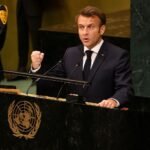
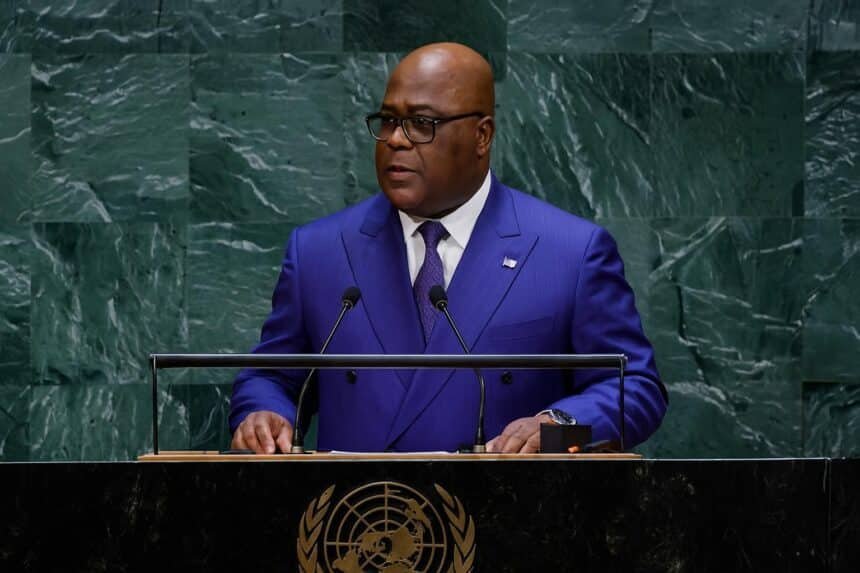
The annual opening of the United Nations General Assembly on 23 September offered a high-visibility platform for President Félix Tshisekedi. From the marble podium in New York, the Democratic Republic of Congo’s leader repeated an appeal he had already voiced in Geneva: he asked member states to formally recognise what he terms the “Congolese genocide”.
- UNGA spotlight on Kinshasa’s plea
- A moral and legal summons
- Diplomacy versus accountability
- Shared responsibility, says Human Rights Watch
- The case for hybrid courts
- ICC investigations rebooted
- Financial and political bottlenecks
- Balancing peace talks and prosecutions
- Regional reverberations
- Next steps at Turtle Bay
- A test for multilaterals
- A voice that lingers
A moral and legal summons
Tshisekedi’s speech fused ethics and law. “We expect the world to stand, with consistency and courage, on the side of right,” he declared, insisting that diplomacy cannot replace justice. The president argued that a peace “built on impunity and forgetfulness” amounts to a fragile armistice, unfit for a nation that has already signed accords and embraced dialogue.
Diplomacy versus accountability
By invoking genocide, Kinshasa elevates the conflict’s vocabulary and raises the bar for international action. While ongoing diplomatic engagements continue with “all parties to the conflict”, Tshisekedi warned that his administration will not settle for political deals alone. He framed recognition of mass crimes as an essential precondition for a “durable peace at the heart of Africa”.
Shared responsibility, says Human Rights Watch
Human Rights Watch reacted swiftly, stressing that liability for atrocities extends across multiple actors, including Congolese authorities themselves. The organisation argued that three decades of crimes require multi-layered judicial responses. It urged Kinshasa to remove officers implicated in serious abuses from the security forces and to back new legal mechanisms capable of addressing entrenched impunity.
The case for hybrid courts
In HRW’s view, national capacity alone cannot shoulder the caseload. The NGO advocates the creation of mixed chambers—or an entirely new special mixed court—within the Congolese justice system. Such bodies, staffed by both Congolese and international judges and prosecutors, would complement domestic efforts while sidestepping the delays often associated with purely international tribunals.
ICC investigations rebooted
On Kinshasa’s request, the International Criminal Court reopened inquiries in 2024 into crimes committed in North Kivu since January 2022. The move underlines the government’s readiness to invite external scrutiny. Yet HRW cautions that the ICC remains hamstrung by chronic underfunding and political pressure, factors likely to slow evidence collection and trial preparation in The Hague.
Financial and political bottlenecks
Analysts note that the Court’s resource gap could undermine Tshisekedi’s appeal. A genocide determination demands exhaustive factual clarification, expert testimony and outreach to victims. Without predictable financing, the ICC and any hybrid mechanism may struggle to meet those evidentiary standards, leaving room for sceptics to question both feasibility and fairness.
Balancing peace talks and prosecutions
Tshisekedi acknowledges that negotiations remain indispensable, but he rejects amnesties that would eclipse justice. His warning that history “will judge not our speeches but our capacity to recognise mass crimes” reframes the peace-justice debate. The speech challenges mediators to integrate accountability clauses into future agreements rather than treating them as optional add-ons.
Regional reverberations
Although the address focused on crimes committed within Congo’s borders, the president’s rhetoric reverberates beyond. Calls for genocide recognition introduce a normative benchmark that neighbouring states, armed groups and international partners cannot easily ignore. The demand could recalibrate the diplomatic calculus of stakeholders involved in security and economic initiatives in central Africa.
Next steps at Turtle Bay
For now, member states have offered no formal response. Any move by the General Assembly would require painstaking consensus-building, and the Security Council’s stance remains equally uncertain. Yet by placing the genocide label on record, Tshisekedi has ensured that forthcoming debates on mandates, sanctions or aid packages will unfold under sharpened scrutiny.
A test for multilaterals
The UN’s credibility, already strained by competing crises, may hinge on how it processes Kinshasa’s demand. If the organisation sidelines the plea, it risks reinforcing perceptions of selectivity in atrocity prevention. Conversely, even symbolic acknowledgement could invigorate global accountability norms and embolden other states confronting legacies of mass violence.
A voice that lingers
When Tshisekedi left the rostrum, applause gave way to hallway discussions about feasibility, precedent and political cost. Whatever the procedural outcome, the speech has reframed the DRC on the multilateral agenda: not merely as a theatre of conflict but as a plaintiff invoking the gravest crime in international law and insisting that diplomacy itself rests on a foundation of justice.