Ce qu’il faut retenir
The United Nations Human Rights Council, meeting in Geneva on 14 November 2025, adopted an emergency resolution instructing its fact-finding mission on Sudan to name every perpetrator behind the atrocities unfolding in El-Fasher, North Darfur, so that domestic or international courts can prosecute them.
By explicitly condemning mass killings, ethnically motivated executions, rapes and abductions reported since paramilitary Rapid Support Forces seized the town on 26 October, the Council signalled that impunity is no longer an option and that the risk of genocide, flagged repeatedly by UN experts, demands immediate scrutiny.
Background and Warnings
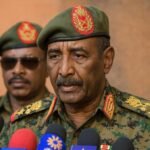
The warning bells first rang in April 2023 when fighting erupted nationwide between the national army of General Abdel Fattah al-Burhan and the RSF led by Mohamed Hamdan Dagalo, known as Hemedti; Darfur’s history of ethnic violence made human-rights monitors particularly fearful for non-Arab communities.
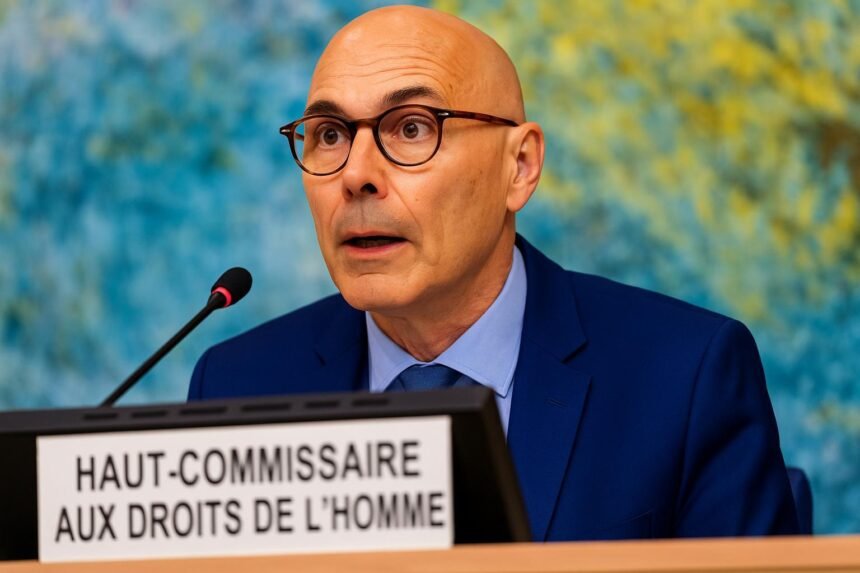
Within weeks, Geneva’s Office of the High Commissioner for Human Rights secured a mandate to document violations across Sudan. High Commissioner Volker Türk has since issued roughly twenty public statements, each more urgent than the last, warning that El-Fasher could duplicate the horrors of early-2000s Darfur if protection failed.
Timeline of El-Fasher Assault
Those cautions proved prescient. When RSF columns encircled El-Fasher late October 2025, tens of thousands of exhausted civilians, many from the Fur, Zaghawa and Masalit groups, flooded the campus of the local university seeking refuge, only to watch classrooms turn into execution grounds within days, according to survivors.
Authorities and aid workers who managed brief access describe streets and newly dug trenches littered with bodies, suggesting a death toll far higher than the fragmented communications from the besieged area could confirm. Meanwhile humanitarian convoys remain stalled, amplifying hunger, trauma and displacement already affecting an estimated twelve million Sudanese.
Key Actors on the Ground and in Geneva
The protagonists of this devastation remain the Sudanese Armed Forces, still controlling strategic airbases, and the RSF, whose mobility and intimate knowledge of Darfur’s terrain have allowed swift urban takeovers. Yet a growing cast of external actors now shapes the battlefield, from arms suppliers to brokers of fragile cease-fires.
Inside the UN system, lead voices include Türk, always pressing for an arms embargo, and Mona Rishmawi, chairing the investigative mission. Her team’s field work—gathering witness accounts, satellite imagery and forensic evidence—should pave the way for potential referrals to the International Criminal Court or hybrid tribunals, diplomats note.
Possible Accountability Scenarios
Diplomatically, the Council’s resolution opens three plausible paths. If Khartoum cooperates, investigators could gain secure access, endorsing a national-international justice arrangement. Should cooperation lag but regional bodies intervene, a hybrid Darfur court might emerge. The bleak alternative is total non-compliance, forcing reliance on remote evidence and delayed accountability.
Whichever scenario unfolds, Türk insists on immediate practical steps: a comprehensive weapons ban, unimpeded humanitarian corridors and a cessation of hostilities. Each element, he argues, is indispensable to averting further crimes against already persecuted ethnic minorities. So far, Security Council divisions have stalled an arms embargo, leaving Geneva’s call unanswered.
Humanitarian Toll and Genocide Debate
On the ground, survivors’ testimonies echo harrowing patterns familiar to Darfur observers: men separated and executed, women brutally assaulted, children abducted or orphaned. Reports of bodies stacked in makeshift mass graves mirror early warnings that unchecked RSF control would translate into systematic violence along ethnic lines.
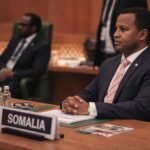
‘If this is not genocide, what is?’ the Sudanese delegate asked, underscoring growing frustration with what many see as delayed global reaction. His rhetorical question captures a legal debate still unresolved but pushes political actors toward recognising that protected groups face destruction, a threshold the Genocide Convention sets unequivocally.
Regional Ripple Effects
Neighbouring states already shoulder the fallout. Informal camps along the Chad and Central African Republic borders swell daily, stretching scarce resources and raising security fears of conflict overspill. Regional organisations, from the African Union to CEMAC, confront fresh pressure to harmonise humanitarian corridors and diplomatic messaging.
Test for Multilateral Credibility
Beyond accountability, the El-Fasher dossier may redefine how multilateral organs respond to emerging mass-atrocity risks. The Human Rights Council acted faster than during Syria or Myanmar crises, suggesting a learning curve. Whether that speed translates into tangible relief for Darfur civilians will test the credibility of Geneva’s entire prevention apparatus.
Outlook for Civilians
For now, the humanitarian picture remains grim: two and a half years of warfare have killed thousands, uprooted twelve million and positioned Sudan as the world’s largest displacement crisis. The new investigative mandate offers a glimmer of legal redress, yet civilians in El-Fasher still await the most urgent deliverable—security.