
Ce qu’il faut retenir
Israel’s unilateral announcement that it now recognises Somaliland as a sovereign state has jolted diplomatic fault lines across the Horn of Africa. Mogadishu reacted furiously, alleging that the recognition was bartered for three highly sensitive concessions, including an Israeli military base on the Gulf of Aden coastline.
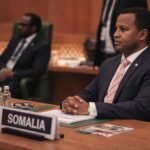
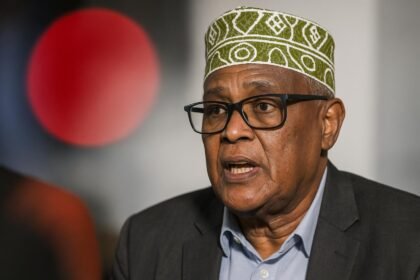
Hargeisa’s foreign minister Mohamed Bihi Yonis immediately dismissed the narrative as “false and malicious”, insisting there is neither any plan to resettle Palestinians nor to host foreign troops. The swift, contradictory statements have thrust the still-unrecognised enclave onto the regional front page.
Contexte historique du Somaliland
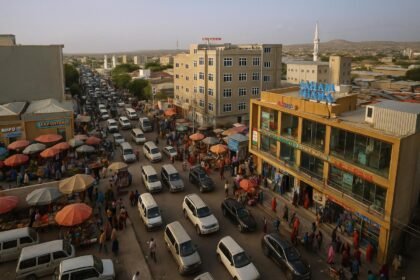
Somaliland broke away from Somalia in 1991 after the fall of Siad Barre and has since cultivated functioning institutions, its own currency and regular multiparty elections. Yet no United Nations member has formally recognised the territory, forcing it to rely on pragmatic outreach to sympathetic partners for trade, security and development cooperation.
Israel’s public embrace could, in theory, open the door to a broader cascade of recognitions, echoing recent diplomatic gains by Kosovo. For Somaliland’s government, which already maintains liaison offices in London, Addis Ababa and Washington, any incremental legitimacy has monetary and symbolic value in its long quest for full statehood.
Calendrier des déclarations récentes
Tel Aviv announced the recognition last week, timing that coincided with heightened Red Sea tension following Houthi attacks against Israeli-linked shipping. Within hours, Somali President Hassan Sheikh Mohamud told a televised audience that Israel had tabled three pre-conditions: Palestinian resettlement, a naval-air facility and Somaliland’s formal accession to the Abraham Accords.
Hargeisa countered the same day with an official communiqué repudiating those claims in full. Mohamed Bihi Yonis reiterated that talks with Israel, like those with any partner, revolve around investment, agriculture and education, not military infrastructure. The foreign ministry further urged Mogadishu to “refrain from fabrications that endanger regional harmony”.
Acteurs et positions officielles
Somalia’s federal leadership views any external engagement with Somaliland as an infringement of sovereignty. It has signalled readiness to mobilise the Arab League and African Union to pressure Israel to reverse course. Observers do not rule out diplomatic downgrades or the recall of ambassadors if the row escalates.
For Israel, recognition of a small yet strategically located partner fits its post-Abraham Accords doctrine of expanding alliances along the Red Sea and Indian Ocean corridors. Officials in Jerusalem, while silent on the Somali allegations, calculate that positioning near Bab-el-Mandeb offsets threats posed by Iran-backed forces in Yemen.
Washington, London and Addis Ababa, capitals that maintain informal lines with both Hargeisa and Mogadishu, have so far limited themselves to calls for calm. None has endorsed or condemned Israel’s decision, reflecting the delicate balance between counter-terror cooperation with Somalia and long-standing sympathy for Somaliland’s stability record.
Scénarios pour la suite
If the dispute remains rhetorical, Israel and Somaliland may quietly deepen economic links while postponing any visible security arrangement. A more confrontational trajectory, however, could see Mogadishu seek punitive resolutions at continental forums, testing the African Union’s principle of respecting colonial borders against the pull of realpolitik.
Regional mediators from Djibouti or the Intergovernmental Authority on Development could attempt back-channel dialogue. Given the limited factual basis for the base allegation, diplomats believe a face-saving formula—such as a joint fact-finding mission—might defuse tensions without forcing either side into public retreat.
Strategic Weight of Bab-el-Mandeb
At barely thirty kilometres wide, the Bab-el-Mandeb choke-point carries roughly nine percent of global seaborne trade. Any security footprint on the Somaliland side could intersect with existing French, American and Chinese facilities in neighbouring Djibouti, raising the stakes of even speculative talk about new foreign bases.
Regional Security Calculus and External Players
The Horn has become an arena where Gulf, Western and Asian powers project influence through logistics hubs and counter-piracy missions. Israel’s move, even if confined to paperwork for now, signals an intention to join that competitive field, a prospect that inevitably heightens Somali anxieties and invites rival courtships.
Prospects for Israel’s African Outreach
Since the Abraham Accords, Israeli envoys have quietly sounded out several African jurisdictions about normalisation. The Somaliland gambit, if it sticks, would provide a symbolic win at minimal economic cost. Whether it unlocks the larger prize—rapprochement with Khartoum after Sudan’s upheaval—may depend on how deftly Jerusalem manages the current backlash.
Meanwhile, Hargeisa’s leadership is treading carefully, keen to bank the diplomatic uplift without provoking outright confrontation with its southern neighbour. Officials underscore that any engagement with Israel will conform to existing regional legal frameworks, a line designed to reassure both donors and Gulf partners.