Emergency landing triggers diplomatic turbulence
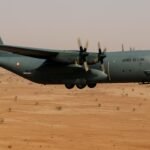
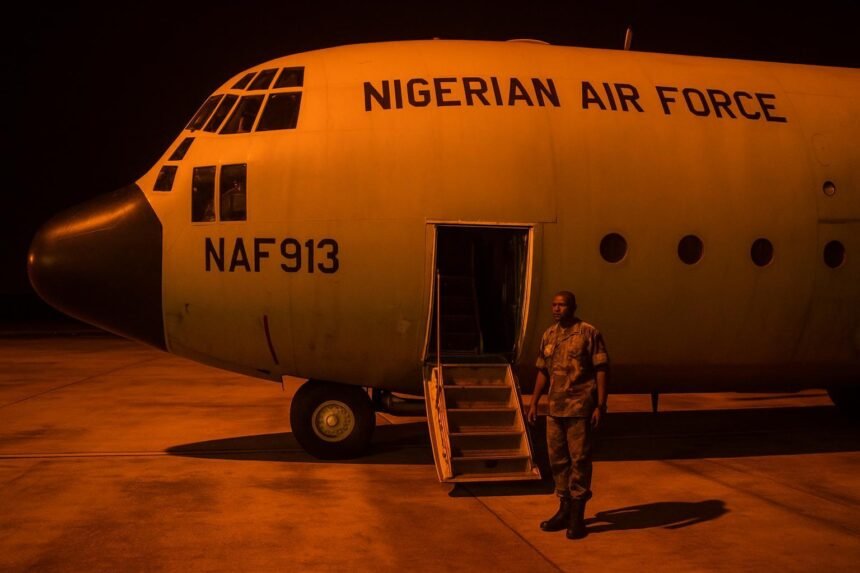
On Monday an ageing Nigerian Air Force C-130 bound for Portugal declared an inflight emergency, diverting to the Burkinabè city of Bobo-Dioulasso. The unscheduled touchdown instantly morphed from a routine safety manoeuvre into a geopolitical tremor across the Sahel.
Burkinabè Territorial Administration Minister Emile Zerbo said the aircraft lacked overflight authorisation, branding the episode a breach of sovereignty. Local security officials later confirmed to the BBC that the eleven servicemen on board were taken in for questioning while investigators examined the flight plan.
Within hours the military leaders of Burkina Faso, Mali and Niger released a joint statement under the banner of their Alliance of Sahel States, stressing the “unfriendly” nature of the incursion and promising to place their air forces on maximum alert against further violations.
Sovereignty narrative of the Alliance of Sahel States
For the AES, airspace control has become a litmus test of newly asserted autonomy since the trio suspended ties with ECOWAS earlier this year. Officials portray the C-130’s arrival as proof that external actors still discount the authority of Sahel governments.
The investigation opened by Burkina Faso allegedly found no prior diplomatic clearance lodged in Ouagadougou’s channels. That absence, according to the statement, justified the immediate detention of crew and the standing order to “neutralise any aircraft” infringing AES skies.
Analysts in Ouagadougou suggest the firm language serves dual purposes: deterring clandestine operations and showcasing concerted military cohesion inside the fledgling confederation. “A coordinated reaction helps the AES project strategic depth,” observes a regional security researcher who requested anonymity.
Nigerian Air Force emphasises safety protocols
Abuja offered a markedly different storyline. In its communique the Nigerian Air Force insisted a technical glitch forced the diversion and that international aviation rules prioritise passenger safety over administrative paperwork during emergencies.
Nigerian spokespeople praised what they called the “cordial treatment” received by the Burkinabè authorities and omitted any mention of detention, implying that the issue would be resolved through routine military-to-military channels.
Plans are reportedly underway to repair the aircraft and resume its ferry mission to a training programme in Portugal. Defence insiders in Lagos privately caution, however, that prolonged custody of personnel could inflame domestic opinion and complicate Nigeria’s crisis-management role in West Africa.
Regional backdrop: ECOWAS forces in Benin
The incident unfolded only one day after Nigeria led an ECOWAS force deployment to Cotonou to prevent an attempted coup inside Benin. Fighter jets and rapid-reaction units were placed on standby, underscoring Abuja’s determination to uphold constitutional order in the sub-region.
From the AES perspective, the ECOWAS show of strength in Benin reinforces suspicions that neighbouring states might use overflight corridors to gather intelligence or position troops near their borders. The C-130’s unscheduled approach therefore resonated far beyond a mere mechanical failure.
Diplomatic sources note that Burkina Faso, Mali and Niger have progressively pivoted away from traditional Western partners, drawing instead on Russian security assistance. Heightened rhetoric over airspace fits a broader pattern of defensive posturing as they recalibrate alliances.
Paths toward de-escalation
Nigerian foreign-service officers are quietly exploring back-channel talks with Ouagadougou to expedite the release of the detained crew and craft a new notification protocol for emergency landings. Both capitals understand that trade corridors, cross-border markets and counter-terror coordination rely on workable air and ground links.
Should the impasse linger, risk analysts warn of tit-for-tat fly-over restrictions that could hinder humanitarian flights and anti-insurgent patrols across the Sahel. Early transparency on the C-130’s technical logs may offer the most pragmatic off-ramp for all parties.