Historical depth of a northern courtship
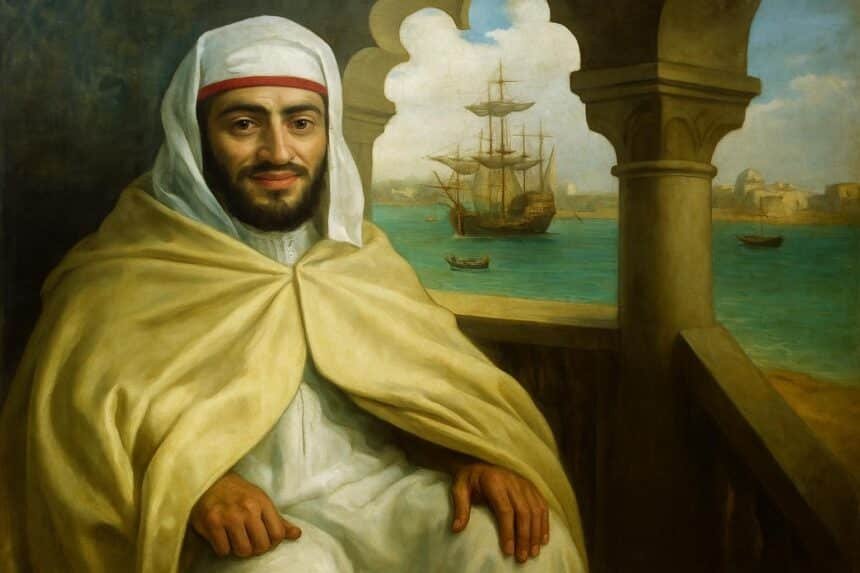
Russian interest in the Maghreb did not begin in the Cold War. It stretches back at least to the reign of Catherine II, when Saint Petersburg’s gaze first turned toward the southern shores of the Mediterranean. This long timeline reminds regional observers that Moscow’s outreach is a structural feature, not an episodic impulse.
- Historical depth of a northern courtship
- Algiers remains the visible cornerstone
- Quiet yet persistent dialogue with Rabat
- Tunisian debates test the narrative
- Libya’s complex theatre
- A policy of diversified touchpoints
- Catherine II’s legacy reinvented
- Symbolism versus substance
- Perception management in North Africa
- Regional reactions and balancing acts
- A cautious outlook
Algiers remains the visible cornerstone
Public discussions of Russian influence often default to the exceptional closeness between Moscow and Algiers. The visibility of that partnership shapes perceptions across the region, prompting many to equate North African geopolitics with an Algerian-Russian axis. Yet, focusing solely on this axis risks obscuring a wider, carefully nurtured network.
Quiet yet persistent dialogue with Rabat
In October 2025, Moroccan Foreign Minister Nasser Bourita is scheduled to meet his Russian counterpart Sergei Lavrov in Moscow. The agenda stretches across numerous cooperation frameworks, a sign that bilateral engagement has matured beyond occasional protocol. While less publicised than Algiers, Rabat’s channel illustrates how Moscow works patiently, away from the spotlight.
Tunisian debates test the narrative
Further east, Tunisia offers a more ambivalent picture. A 2024 controversy over military aircraft rotations on the island of Djerba stirred domestic debate. Yet, alongside that polemic, a separate track of cultural and educational collaboration is planned for the new academic year, underlining Moscow’s capacity to operate simultaneously on sensitive and societal fronts.
Libya’s complex theatre
Tripoli also enters the conversation, even if the article’s source provides scant detail. The mere mention of Libyan relations signals Moscow’s determination to maintain a footprint across all Maghreb states, regardless of internal volatility. By keeping communication open with Libyan actors, Russia reinforces the perception of a region-wide strategy.
A policy of diversified touchpoints
Taken together, the Algerian flagship, the Moroccan expansion, the Tunisian duality and the Libyan outreach outline a diversified approach. Moscow avoids over-reliance on any single capital, weaving instead a web of state, societal and, at times, security connections that cumulatively extend its leverage across North Africa.
Catherine II’s legacy reinvented
Referencing Catherine II is more than a historical flourish. It highlights a deliberate continuity in Russian strategic culture: the quest for warm-water avenues and Mediterranean visibility. The Maghreb serves today, as then, as a convenient corridor linking European, African and Middle Eastern arenas under a single diplomatic narrative.
Symbolism versus substance
The Bourita-Lavrov meeting is symbolically potent, yet the diversity of sectors on the table suggests tangible dividends. Similarly, Tunisia’s forthcoming cultural programmes, juxtaposed with sensitive military logistics, show how symbolism and substance overlap. Moscow appears to rely on this overlap to solidify presence without inviting excessive scrutiny.
Perception management in North Africa
Observers inside the region note that Russia’s varying levels of publicity across capitals may foster a tailored perception environment. High-profile events in Algeria reassure allies of steadfast commitment, while lower-key engagements in Morocco or Tunisia reduce the risk of triggering resistance from competing powers.
Regional reactions and balancing acts
The multiplicity of Russian initiatives inevitably interacts with Maghrebian states’ own balancing acts. Each capital calibrates its openness to Moscow against domestic opinion and broader international partnerships. The Tunisian aircraft debate shows how a single logistical detail can dominate headlines, whereas long-term cultural cooperation often unfolds quietly.
A cautious outlook
Based on the limited yet telling events highlighted here, Moscow’s courtship of the Maghreb is set to endure. The 2025 Rabat visit, the ongoing Algerian rapport, and Tunisian programme roll-outs indicate momentum rather than fatigue. Analysts will watch how these strands converge, but the underlying historical continuity suggests little appetite for retreat.