Ce qu’il faut retenir
Nigeria has offered a formal apology to Burkina Faso after an Air Force C-130 landed without clearance on 8 December 2025, prompting the ten-day detention of its eleven-member crew. Foreign Minister Yusuf Maitama Tuggar personally conveyed Abuja’s regrets, hailing Ouagadougou’s counter-terrorism gains and proposing deeper joint action against insurgent groups.
Nigerian Apology Lands in Ouagadougou
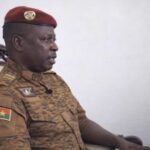
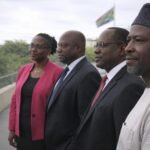
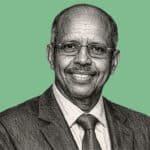
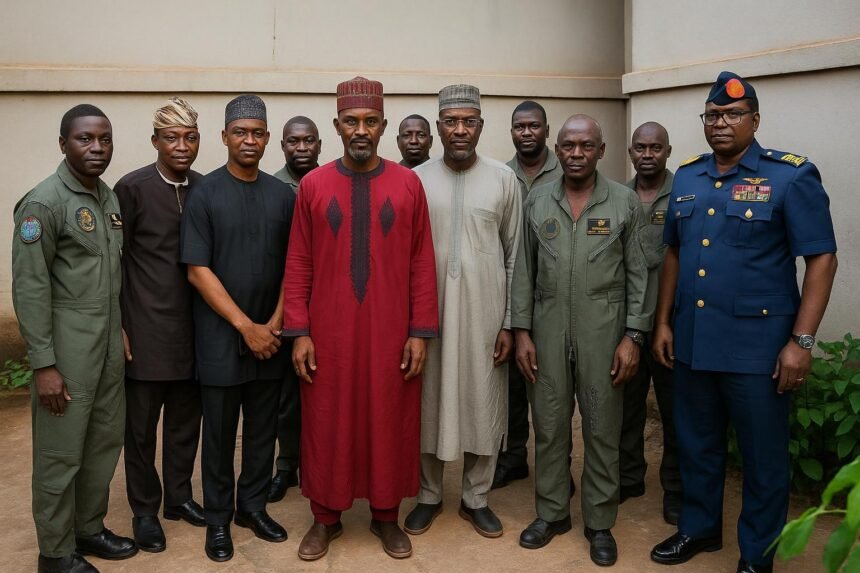
On 17 December, a five-person Nigerian delegation entered the marbled halls of the Kosyam Palace, where Captain Ibrahim Traoré awaited clarifications. Tuggar admitted to “irregularities” in over-flight documents and labelled the episode “regrettable”. He carried President Bola Tinubu’s message of “solidarity and fraternity”, underscoring that Lagos still views Burkina Faso as a frontline partner against jihadist violence.
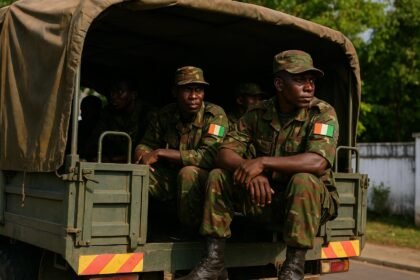
Behind closed doors, Tuggar met the C-130 crew held since the emergency landing. He assured them the matter was resolved and that they could fly home once engineers declared the aircraft air-worthy. The symbolic handshake sought to turn a potential diplomatic rupture into an avenue for renewed security dialogue.
Contexte: The C-130 Incident
The saga began on 8 December, when a Nigerian Air Force cargo plane en route to Portugal for scheduled maintenance reported a technical fault. Lacking clearance for Burkinabè skies, the pilots chose the nearest runway, Bobo-Dioulasso, in line with international safety norms. Ouagadougou, already wary of foreign aircraft, detained both pilots and nine military passengers immediately.
The Alliance of Sahel States, chaired by Malian Colonel Assimi Goïta, blasted the unsanctioned entry as an “unfriendly act” and placed regional air defences on maximum alert. AES commanders warned that any future intrusion might be “neutralised”, highlighting how fragile air-space protocols have become amid proliferating coups.
Calendrier: From Landing to Liberation
The timeline moved swiftly. Nine days after the landing, Abuja’s diplomatic team touched down; ten days in, the crew was briefed on their imminent release; repairs permitting, the same C-130 would ferry them home. The compressed schedule reflects both sides’ desire to prevent a technical mishap from calcifying into a strategic rift.
Acteurs: Abuja, Ouagadougou and the AES
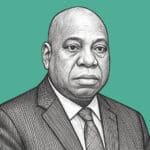
Nigeria’s delegation included the head of its National Intelligence Agency, an Air Force planning chief and its permanent representative to ECOWAS, signalling that higher security stakes guided the démarche. For Traoré’s Burkina Faso, the episode offered proof that the AES can obtain concessions without abandoning its sovereign posture.
Meanwhile, ECOWAS watched closely. Abuja, the bloc’s largest economy, had days earlier deployed fighter jets over Benin to foil a coup attempt. That intervention made Nigeria the first ECOWAS state to answer calls for anti-putsch military support, contrasting sharply with AES capitals that broke from the organisation after successive coups.
Scenarios: Regional Security Aftershocks
The apology may open a corridor for pragmatic cooperation across the ECOWAS–AES divide, especially on intelligence sharing and border surveillance. Yet mutual suspicion lingers; AES leaders could still cite the incident to justify enhanced air-defence procurement and tighter flight-plan vetting.
For Nigeria, the lesson is twofold. First, even emergency landings demand fast diplomatic coordination in a Sahel where political fault lines shift monthly. Second, heavyweight status in ECOWAS does not insulate Abuja from the need to court neighbours whose militaries now define statecraft. Whether the handshake in Ouagadougou ushers in lasting détente or merely pauses turbulence will shape the region’s security calculus well into 2026.