Maghreb 2026: Search for Calm
From Tangier to Tamanrasset, policy circles whisper that 2026 could finally silence the rolling thunder that has long rumbled across the Maghreb.
Years of diplomatic hostilities between Morocco and Algeria, outside activism by Washington and Abu Dhabi, and growing anxiety over dwindling water reserves have created an urgent demand for de-escalation and practical cooperation.
Key Takeaways
The United Nations-brokered accord on Western Sahara, currently undergoing ratification, is the most tangible hope on the horizon, yet its success depends on a parallel thaw in bilateral mistrust and a credible timetable backed by influential guarantors.
Steve Witkoff’s CBS statement on 20 October 2025, promising a Morocco–Algeria peace deal within sixty days, has raised expectations while exposing Washington’s leverage—and its margin for error—if negotiations stall or leak prematurely.
Diplomatic Context
Relations between Rabat and Algiers have oscillated between cold war and open rupture, complicating trade corridors, security coordination and even family visits across the frontier.
The current turbulence is magnified by external activism: the US administration frames Maghreb stability as a prerequisite for broader Middle East realignments, while the Emirati presidency seeks to showcase conflict-resolution credentials and protect its investment footprint.
Yet local perceptions remain sceptical; many diplomats recall earlier mediation cycles that produced eloquent communiqués but few measurable gains, suggesting that genuine détente hinges on domestic political space as much as on international pressure.
Regional Calendar to Watch
If Witkoff’s sixty-day clock is accurate, negotiators would aim for signature before late December 2025, allowing a first confidence-building review in April 2026, just ahead of the traditional Maghreb economic summit.
UN ratification of the Western Sahara accord is expected to conclude in early 2026, aligning with Ramadan and potentially softening domestic discourse on both shores of the Sahara.
Principal Actors
Moroccan diplomacy, confident after recent trade wins, nevertheless tests the limits of its traditional alliance structure, balancing US enthusiasm with caution toward Gulf overtures.
For Algeria, the quest for regional leadership is intertwined with domestic consensus; hardliners worry that premature concessions could erode revolutionary legitimacy, while economic technocrats crave open borders and capital inflows.
Witkoff occupies the visible end of a larger American apparatus that includes security advisers and trade envoys, whereas Abu Dhabi’s channel relies on discreet personal rapport at head-of-state level.
Water Security Fault Line
Beyond flags and maps, the region’s aquifers and dams have become silent protagonists of the diplomatic drama; erratic rainfall and demographic pressure feed narratives of looming scarcity.
Officials in both capitals fear that unmanaged competition over shared basins and underground reserves could someday escalate into high-profile stand-offs, undermining any nascent security architecture.
Hence negotiators have discreetly inserted clauses on water-data exchange and joint drought mitigation into the draft peace package, signalling that hydro-diplomacy is no longer an optional add-on but a core confidence-building measure.
Public Opinion Dynamics
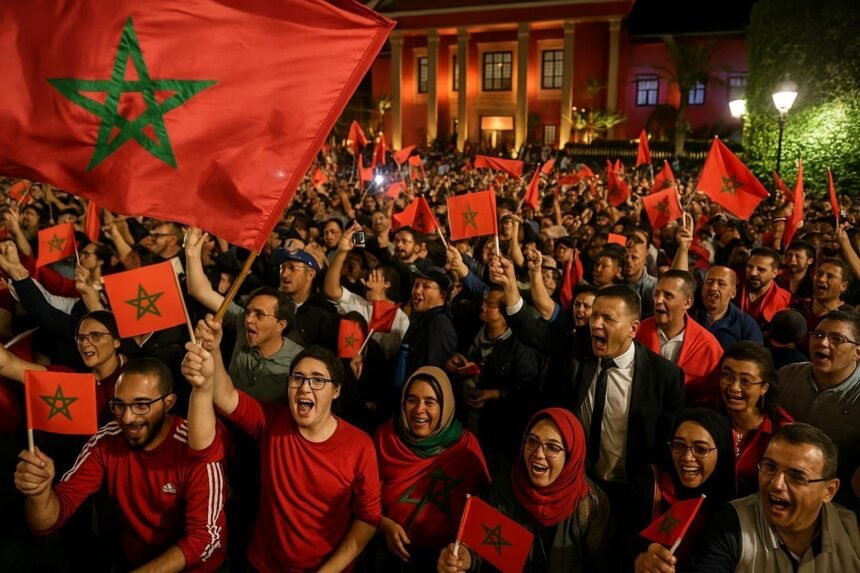
No accord can survive without popular buy-in; yet Maghrebi media cycles often amplify nationalist sentiment, portraying compromise as capitulation.
In online forums, hashtags celebrating historical victories trend alongside memes mocking diplomatic overtures, a dual rhythm that both governments monitor closely when calibrating concessions.
Pollsters detect a modest yet growing constituency, especially among urban youth, that prioritises employment prospects over frontier disputes; their voices could tip the balance if the 2026 timetable stays on track.
Economic Dividends of De-escalation
Even a partial thaw would unlock trade corridors currently forced to rely on longer Mediterranean detours, cutting logistics costs for agribusiness and manufacturing suppliers.
Analysts inside both finance ministries calculate that every percentage point of tariff reduction could inject millions of dollars into cross-border value chains, creating political incentives to keep talks alive.
Such projections, circulated in confidential briefings, are quietly shaping the narrative that peace is not merely a diplomatic trophy but a macro-economic necessity.
Tourism boards, meanwhile, envision rail-based circuits linking Atlantic, Atlas and Sahara destinations, estimating combined visitor flows of five million passengers within three years of border reopening.
Peace Scenarios
Optimists foresee a phased relaxation: symbolic gestures, reopening of airspace, joint statements on water management, and eventual establishment of a Maghreb dispute-settlement commission to shepherd the Western Sahara arrangement.
A middle-ground outcome would secure the Sahara accord but freeze broader normalisation until after 2026 elections in both countries, leaving transit and trade largely untouched.
Failure remains conceivable if nationalist rhetoric overwhelms negotiations or if external sponsors downgrade their engagement, a risk underlined by Witkoff’s own admission that the timeline could slip should ‘regional atmospherics deteriorate’.