Ce qu’il faut retenir
Uvira fell to AFC/M23 forces on 10 December, giving the rebels and their Rwandan backers direct access to Burundi’s frontier. Foreign Minister Édouard Bizimana stresses that Burundi has the right to respond militarily if attacked. The development comes only days after the signature of a peace agreement in Washington, underscoring the volatility of the Great Lakes theatre.
M23 Advances Redraw Great Lakes Security
The lightning offensive launched early last week culminated in the rebels’ entry into Uvira, an important South Kivu hub overlooking Lake Tanganyika. By occupying the town, AFC/M23 now controls a corridor that links eastern Democratic Republic of Congo to Burundi, a shift that complicates every security calculation in the region.
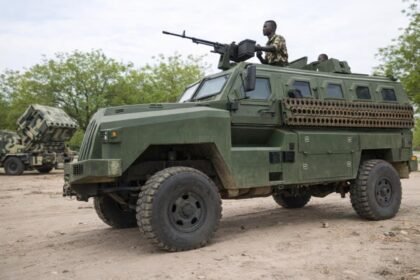
Several security sources estimate that around 18 000 Burundian troops are deployed near the border. With the rebels only a short distance away, the balance of forces has become unusually exposed, heightening the risk that a local firefight could morph into a multi-front confrontation.
Burundi’s Defensive Posture Explained
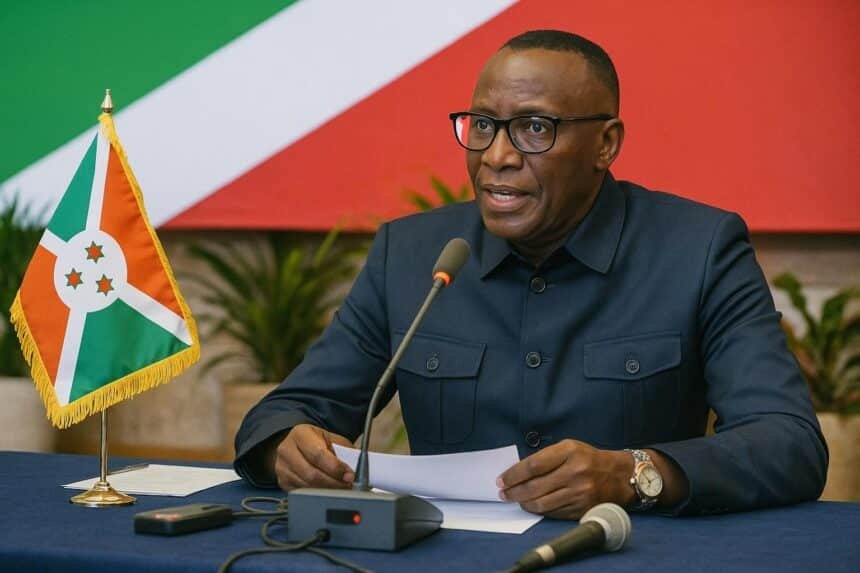
Speaking after the rebel victory, Foreign Minister Édouard Bizimana insisted that “Burundi has the right to defend itself if it is attacked.” His wording acknowledges international legal norms while sending a deterrent signal to both the insurgents and their alleged sponsors. In Bujumbura’s view, the presence of heavily armed non-state actors at its door constitutes a clear and present danger.
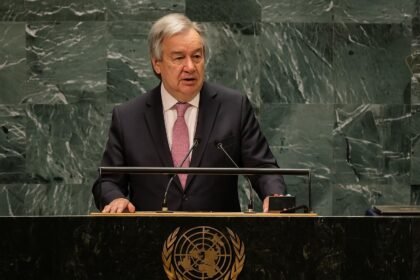
Burundian officials point to clauses in the United Nations Charter that legitimise self-defence. Yet diplomats close to the file note that any cross-border action would need careful calibration to avoid undermining the freshly signed peace framework. For now, the minister’s statement remains declaratory, but it marks the sharpest language heard from Bujumbura in months.
Peace Accord Faces Early Test
Only a few days before Uvira changed hands, parties to the conflict endorsed an agreement in Washington aimed at silencing the guns in eastern Congo. Observers hoped the text would generate momentum for confidence-building measures on the ground. Instead, the rapid rebel advance has thrown those expectations into doubt.
The accord’s credibility rests on its capacity to deter further territorial gains and to establish monitoring mechanisms. The seizure of Uvira on day one of implementation challenges both provisions. Signatories now confront a dilemma: retaliate and risk collapsing the deal, or exercise restraint and appear powerless in the face of shifting facts on the ground.
Contexte
AFC/M23 has carried out several offensives this year, often advancing in tandem with reported Rwandan support. The South Kivu axis was long viewed as a red line because of its proximity to Burundi. By overrunning Uvira, the group moves beyond symbolic victories and secures a new bargaining chip, altering negotiation dynamics that had only just been formalised in Washington.
Calendrier
10 December: AFC/M23 enters Uvira. Early December: rebels launch the offensive. Early December: peace agreement signed in Washington, D.C. The closeness of these dates underlines the compressed timeframe in which diplomacy and military reality now collide, forcing capitals across the region to reassess weekly rather than monthly.
Scénarios
If the rebels entrench in Uvira without interference, they gain leverage for future talks while exposing Burundi’s border communities to insecurity. A swift Burundian counter-strike, however, could internationalise the conflict, drawing in allies and triggering reciprocal deployments. A third, less dramatic path involves shuttle diplomacy using the Washington accord as scaffold, though its resilience is already in question.
Each scenario carries distinct implications for humanitarian corridors, cross-border commerce and the standing of regional institutions tasked with crisis management. What remains constant is the urgency: the window for preventive diplomacy narrows by the day as new facts are created on the ground.