Lobito Corridor Secures New Momentum
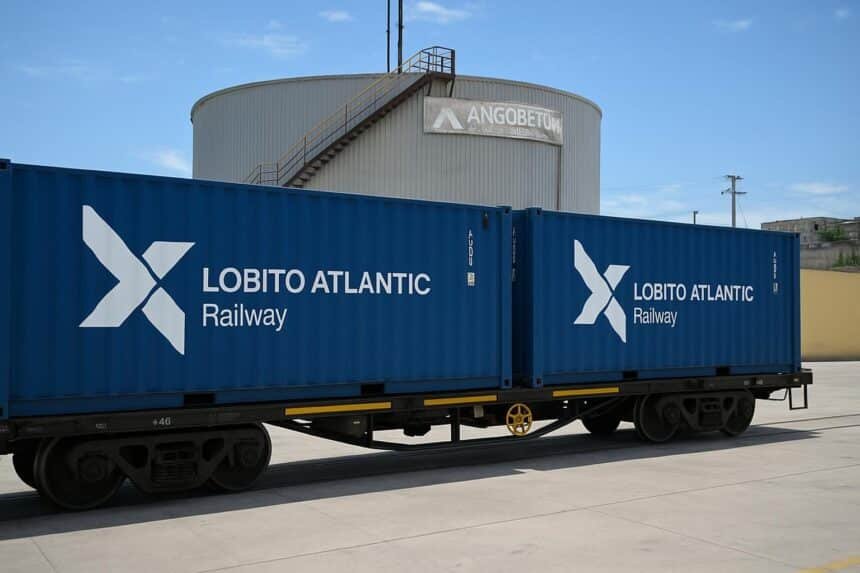
On 17 December, Luanda and Washington sealed a decisive financing package for the Lobito rail corridor, a 1,300-kilometre artery linking the Atlantic port of Lobito to the mineral-rich border with the Democratic Republic of Congo. The US International Development Finance Corporation (DFC) signed a 553-million-dollar loan, joined by 200 million from South Africa’s Development Bank.
- Lobito Corridor Secures New Momentum
- Scope: 1,300 km of Rail and New Locomotives
- Washington’s Strategy for Critical Minerals
- Pretoria’s Development Bank Steps In
- Cutting Transit from 45 Days to 50 Hours
- An Alternative to China-Funded Routes
- European Interest and Global Gateway
- Political Continuity in Washington
- Regional Economic Ripple Effects
- Domestic Upside for Angola
- Implementation Timeline
- Risks and Safeguards Ahead
- Climate Co-Benefits of Rail
- Communities Eye Passenger Revival
Scope: 1,300 km of Rail and New Locomotives
The combined 753-million-dollar facility will overhaul worn tracks, refurbish workshops, install modern signalling and purchase a fleet of locomotives and wagons. Angolan transport officials argue that the upgrade will double line capacity, lift operating reliability and position Lobito as the quickest Atlantic gateway for Central Africa’s copper, cobalt and manganese.
Washington’s Strategy for Critical Minerals
The DFC frames the deal as an exercise in supply-chain security. Central Africa hosts reserves that are indispensable for American technology and defence industries, the agency notes, and modern rail logistics are expected to hedge US manufacturers against bottlenecks and against what Washington calls the growing strategic reach of competing powers, notably China.
Pretoria’s Development Bank Steps In
South Africa’s Development Bank, while smaller in ticket size, provides critical African ownership to the financing structure. Pretoria’s support, officials argue, signals that continental institutions are prepared to co-lead strategic infrastructure rather than merely co-sign externally driven blueprints, a nuance that may smooth coordination with the Southern African Development Community.
Cutting Transit from 45 Days to 50 Hours
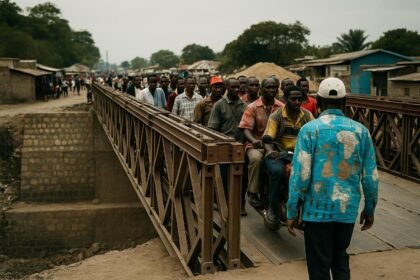
Once rehabilitated, trains are projected to cut the journey from the Copperbelt to the sea from forty-five gruelling days by road to scarcely two days on steel. Mining exporters in the Democratic Republic of Congo and Zambia could unlock working-capital savings, while global buyers gain faster access to ethically audited consignments.
An Alternative to China-Funded Routes
For Washington, the corridor embodies an alternative to decades of China-backed rail construction in Africa. Beijing’s engineering footprint remains vast, yet US officials emphasise that the Lobito project aligns with transparent procurement, debt sustainability and local content goals that have become watchwords of Western engagement after the pandemic.
European Interest and Global Gateway
European partners, already sponsoring prefeasibility studies, consider Lobito a test case for the Global Gateway initiative, Brussels’ answer to China’s Belt and Road. Although specific sums are still under negotiation, EU diplomats say synchronising standards with the US-South African loan package could avoid the duplication that has hampered previous rail corridors.
Political Continuity in Washington
Political continuity in Washington also matters. A senior official, briefing during President Joe Biden’s December 2024 visit to Angola, argued that even a future administration under Donald Trump would embrace the project, because, he said, one cannot credibly challenge Beijing’s influence while ignoring the single most strategic rail line now unfolding in Africa.
Regional Economic Ripple Effects
Economists anticipate spill-overs far beyond Angola. Improved throughput could relieve chronic port congestion in Durban and Dar es Salaam by diverting volumes to Lobito, while the Democratic Republic of Congo’s export receipts may rise as transport costs fall. Investors already scout secondary logistics parks along the route, betting on agro-processing and light manufacturing clusters.
Domestic Upside for Angola
For Angola itself, the timing dovetails with President João Lourenço’s agenda of economic diversification. Enhanced rail linkages could strengthen domestic steel, cement and rolling-stock industries, deepen the country’s petro-chemical corridor and channel skilled jobs into provinces often overshadowed by offshore oil wealth, officials in Luanda argue.
Implementation Timeline
The next milestone is the issuance of engineering, procurement and construction contracts, expected within months. Government sources indicate environmental assessments are advanced, while lenders weigh disbursement schedules tied to benchmark targets on track laying and workshop modernisation. If deadlines hold, the first refurbished segments could be operational before the end of 2026.
Risks and Safeguards Ahead
Yet stakeholders caution that donor coordination, customs harmonisation and community engagement will decide whether the Lobito corridor evolves into a continental exemplar or another stranded asset. For now, the 753-million-dollar boost provides both the capital and the geopolitical spotlight required to keep the project on schedule, and to keep Central Africa’s freight ambitions on track.
Climate Co-Benefits of Rail
Climate policymakers view rail rehabilitation as a substantive climate-finance deliverable. Every tonne of copper or cobalt shifted from diesel trucks to electrified locomotives, they argue, reduces the carbon intensity of the global renewable-energy supply chain, a point the DFC highlighted to mark alignment with the United States’ wider clean-energy diplomacy.
Communities Eye Passenger Revival
Beyond the headlines, community leaders along the Benguela plateau hope that passenger services, dormant since the civil war, will eventually be restored. Regular trains could reconnect families, revive cross-border trade in food staples and spotlight Angola’s interior landscapes for niche tourism.