Key takeaways for diplomats and analysts
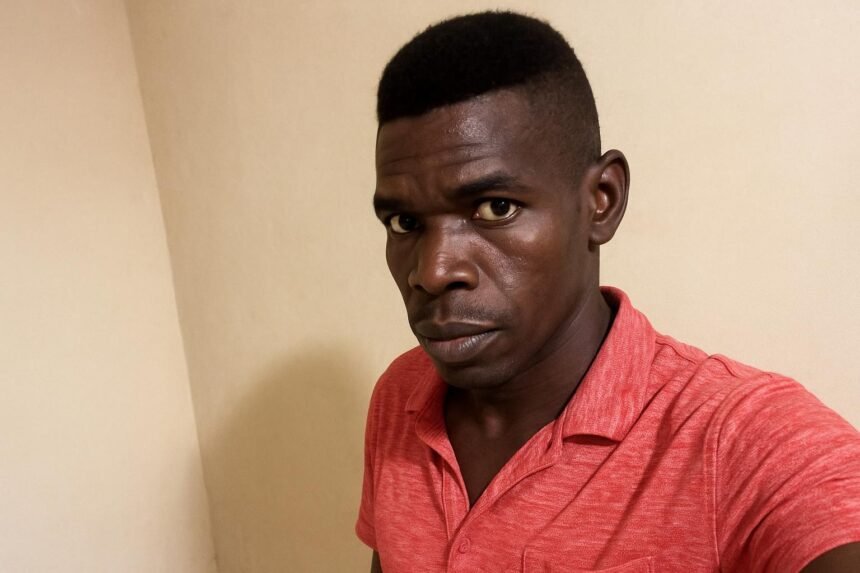
A single Facebook video has hurled the quiet Kenyan runner Evans Kibet into the centre of a geopolitical storm. Tearful, the 36-year-old tells Ukrainian captors: “I will die there” if returned to Russia. His plea now forces Nairobi, Moscow and Kyiv to weigh human life against protocol.
- Key takeaways for diplomats and analysts
- Context: foreign recruits in Russia’s military
- Timeline: from Iten to Kharkiv trenches
- Actors: family, brokers and governments
- Scenarios: diplomatic pathways to repatriation
- Human cost and policy implications
- Regional dimension: echoes across African defence agendas
- Policy lessons for African states
Kibet’s story illustrates the blurred lines between labour migration, sports mobility and mercenary recruitment. Ukraine says dozens of Africans have been captured fighting for Russia. The International Committee of the Red Cross confirms that repatriation talks remain ad-hoc, underlining a gap in multilateral protection for non-Ukrainian combatants.
Context: foreign recruits in Russia’s military
Since 2022, Moscow has loosened naturalisation rules and dangled salaries of up to US$2,000 a month to foreign enlistees. Petro Yatsenko, spokesperson on Ukrainian prisoner issues, notes that most captured foreigners “come from poorer countries”, sometimes believing they signed for factory jobs (BBC).
Citizens from Somalia, Sierra Leone, Cuba and Sri Lanka are among those Kyiv holds. Few survive combat long enough to surrender, Yatsenko says, making Kibet’s case unusually visible and politically sensitive.
Timeline: from Iten to Kharkiv trenches
Raised on the slopes of Mount Elgon, Kibet honed his endurance in Iten’s altitude camps but never broke into the lucrative marathon elite. Financial strain grew. In July he accepted a sports agent’s offer to race in Russia, assuring relatives he would be back in two weeks.
After landing, his host allegedly produced “papers written in Russian”. Kibet claims he signed them for visa renewal, only to have his phone and passport seized and be driven seven hours to a training base. Within days he was issued a rifle and told: “Fight or we will kill you.”
Actors: family, brokers and governments
At home, cousin Edith Chesoi says she keeps replaying the video, traumatised yet relieved he is alive. Younger brother Isaac Kipyego calls Kibet a “humble advisor” whose athletic dreams supported the family’s hopes.
Kenya’s principal secretary for foreign affairs, Korir Sing’oei, confirms that the Nairobi mission in Moscow is pursuing “with all diligence” the status of several nationals allegedly trafficked into the war. Kyiv signals readiness to hand over detainees if home states request it, but notes limited engagement from many African capitals.
Scenarios: diplomatic pathways to repatriation
Option one is a bilateral hand-over under the Geneva Conventions, brokered by Kenya’s embassy in Moscow and Ukrainian authorities. That route demands Moscow’s acquiescence, since Kibet is technically on Russia’s roster.
Option two involves a multilateral swap mediated by the African Union, which has previously offered facilitation channels on humanitarian issues in the Russia-Ukraine conflict. A third, more protracted scenario is a court-supervised release through the International Committee of the Red Cross, should negotiations stall.
Human cost and policy implications
Kibet says he never fired a shot, escaping before his first mission and surrendering near Vovchansk with hands raised. Whether combat-exposed or not, his physical and psychological toll is already high. Medical evaluations are under way in the Ukrainian camp.
For policy makers, the case revives debate on athlete trafficking, visa vulnerabilities and the grey zone between private security work and state warfare. It also underscores how economic precarity can override risk assessment for talented but underfunded sportspeople across the continent.
Regional dimension: echoes across African defence agendas
African defence attachés monitor these developments closely. In the Sahel, states combating mercenary influxes weigh the ripple effect of Moscow’s recruitment drives on local youth. In Central Africa, CEMAC security chiefs discuss tighter exit protocols for sports delegations to curb illicit channels.
The African Union’s Peace and Security Council, which has condemned foreign fighter flows to Libya and Mozambique, may extend its scrutiny to Europe’s eastern front. A position paper is reportedly in draft, urging member states to map vulnerable demographics, including semi-professional athletes.
Policy lessons for African states
First, robust athlete welfare frameworks are needed. Federations could integrate mandatory contract vetting and pre-departure briefings that highlight legal liabilities abroad. Second, consular budgets must anticipate rapid-response cases arising from conflicts where Africans serve as auxiliary fighters.
Finally, Nairobi’s handling of Kibet will set a precedent. Swift repatriation would reassure diasporas and deter exploitative recruiters. Delay or indifference, conversely, could erode public trust in state protection and embolden clandestine networks that blend sport, migration and conflict economies.