Key Takeaways
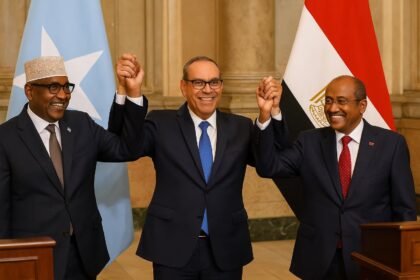
Israel’s unprecedented decision to extend diplomatic recognition to Somaliland, the break-away territory in northern Somalia, jolts long-standing norms on African borders, re-opens fault lines in the Horn and challenges Arab solidarity, while opening a new front for Israel’s outreach to the Muslim world. The move instantly triggers rival lobbying in regional and multilateral arenas.
- Key Takeaways
- Shockwaves across the Horn of Africa
- Jubilant Streets, Strategic Phones
- Regional Diplomatic Backlash
- Jerusalem’s Security Calculus
- Domestic Dividend for Somaliland
- Multilateral Implications
- Central African and Gulf of Guinea Ripples
- Economic Corridor Reconfigurations
- Actors to Watch
- Possible Scenarios
- Calendar of Upcoming Tests
Shockwaves across the Horn of Africa
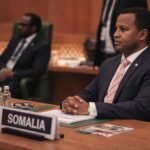
Somalia’s federal government denounced the announcement as an affront to its sovereignty, branding it illegal and demanding its reversal. Cairo, Ankara, Riyadh and Djibouti quickly echoed that position, portraying Jerusalem’s initiative as interference in domestic Somali issues and a diversion from efforts to secure Palestinian statehood. The diplomatic chorus underscores shared anxieties about precedent.
Jubilant Streets, Strategic Phones
Since declaring independence in 1991, Somaliland has combined relative stability with a robust quest for international recognition. Yet no UN member had crossed the Rubicon until now. By acting unilaterally, Israel has handed Hargeisa a symbolic victory that local residents celebrated by waving blue-and-white flags in the city centre, according to Ynet (Ynet).
Regional Diplomatic Backlash
Prime Minister Benjamin Netanyahu framed the accord as mutually beneficial—promising cooperation in agriculture, health, technology and trade—and invited President Abdirahman Mohamed Abdullahi to visit Tel Aviv. Abdullahi reciprocated by signalling readiness to join the Abraham Accords, positioning Somaliland as an unexpected bridge between Israel and Muslim constituencies across the Red Sea (Times of Israel).
Jerusalem’s Security Calculus
In Mogadishu, officials fear the step could embolden other autonomous entities and weaken painstaking state-building. For Egypt and Turkey, the declaration threatens vital maritime corridors and complicates their own Horn of Africa strategies. Saudi Arabia views it through a Gulf security prism, wary of new footholds for rival powers near the Bab el-Mandeb.
Domestic Dividend for Somaliland
Israel’s calculus blends security, geoeconomics and soft-power opportunism. Reports cited by Ha’Aretz indicate interest in accessing Somaliland territory for intelligence and, potentially, operations against Houthi forces in Yemen. Parallel discussions alleged between Hargeisa and Washington suggest the territory’s leadership is leveraging its geography to attract patrons eager to counter Iran-aligned actors in the Red Sea.
Multilateral Implications
For the Somaliland administration, the Israeli handshake bolsters claims of statehood ahead of a planned presidential election. It also promises technical aid for water management and arid-land farming, areas where Israeli know-how is globally recognised. The diplomatic dividend could translate into investor confidence, although the absence of multilateral recognition keeps access to concessional finance constrained.
Central African and Gulf of Guinea Ripples
The African Union, guardians of the norm against redrawing colonial borders, reiterated support for Somali unity. Yet the continental body faces a dilemma: outright condemnation risks alienating Israel, an increasingly active observer at AU summits. Quiet shuttle diplomacy is expected as Addis Ababa, Nairobi and Pretoria gauge whether to mediate or capitalise on new alignments.
Economic Corridor Reconfigurations
Central African capitals, including Brazzaville, are watching cautiously. Congo’s foreign-policy doctrine emphasises stability and non-interference; any domino effect of secessionist recognition could unsettle regions wracked by fragile borders. At the same time, Israeli outreach may offer openings for technological partnerships in forestry and energy transition—sectors prioritised by Congo’s Plan national de développement.
Actors to Watch
Israel-Somaliland cooperation could reshape logistics in the wider continent. Berbera Port, already modernised with Emirati capital, might evolve into a transhipment hub linking the Red Sea to Central African corridors such as the Douala-Brazzaville route. Analysts argue the prospect of new trade arteries will intensify competition for port concessions and customs revenues across multiple regions.
Possible Scenarios
Key actors now include Somalia’s allies at the Arab League, Israel’s partners in the Abraham Accords, and emerging middle powers like Ethiopia that maintain relations with both Hargeisa and Mogadishu. Multinational firms invested in the Somaliland energy sector must recalibrate risk profiles as legal ambiguities collide with stronger diplomatic signals from Jerusalem.
Calendar of Upcoming Tests
Scenario one sees a gradual, tacit acceptance, with more states discreetly upgrading ties while avoiding formal recognition. Scenario two features concerted pushback, leveraging the AU and UN to isolate Somaliland and deter copycats. A third path—negotiated status within a re-imagined Somali federation—cannot be discarded, though Israel’s move arguably narrows that diplomatic middle ground.
Over the coming months, watch for the Israeli and Somaliland flags to be raised over provisional liaison offices, parliamentary debates in Nairobi and Addis Ababa, and a possible emergency agenda item at the next AU Summit. Each milestone will test Africa’s collective security architecture and the durability of post-colonial boundaries under 21st-century pressure.