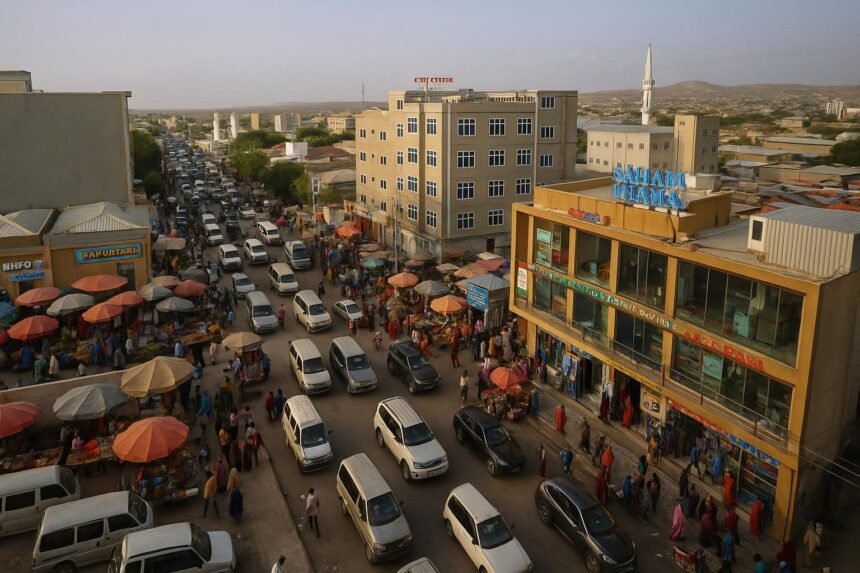
Key takeaways
Israel’s recognition of Somaliland marks the first time an internationally unrecognised African territory gains bilateral acknowledgment from a UN member since South Sudan’s admission in 2011. The surprise decision strains Somalia’s federal leadership, raises questions for the African Union’s non-secessionist doctrine and amplifies external rivalries throughout the Red Sea security grid.
Diplomatic earthquake in the Horn of Africa
The announcement, delivered simultaneously from Hargeisa and Jerusalem, startled regional chanceries already grappling with Sudan’s war and Ethiopia’s port search. Somaliland’s de facto authorities, who broke from Somalia in 1991, now brandish a potent symbol of statehood. For Mogadishu, the gesture undercuts painstaking reconciliation efforts pursued despite Al-Shabaab’s insurgent pressure.
Context box
Somaliland has cultivated quiet ties with Israel for two decades, counting on historical Red Sea links and a diaspora in Tel Aviv. Jerusalem, seeking logistical depth along a chokepoint that channels nearly ten percent of world trade, weighed the diplomatic cost against prospective security and commercial dividends, including fisheries, desalination and drone cooperation.
Domestic stakes in Mogadishu
President Hassan Sheikh Mohamud, fresh from organising local polls hailed as a federal milestone, now faces criticism from opposition figures who accuse him of failing to anticipate foreign encroachment. Maintaining unity with regional states such as Puntland and Jubaland, where electoral tempers already flare, becomes harder while security forces remain stretched on multiple fronts.
Israel’s calculus and soft-power toolkit
Faced with shifting alliances after the Abraham Accords, Israel seeks new footholds along the Bab el-Mandeb. Somaliland offers deep-water potential at Berbera and diplomatic leverage against Iranian influence in the Gulf of Aden. Technology transfers, medical outreach and scholarship programmes figure prominently in the soft-power package under discussion, according to analyst Matt Bryden.
Regional reverberations from Addis Ababa to Djibouti
Ethiopia, landlocked since 1993, eyes Berbera as an alternative corridor to Djibouti’s congested docks. Addis Ababa could welcome Israeli infrastructure investment that complements its own shareholding in Berbera port. Djibouti, hosting both US and Chinese bases, fears erosion of its logistical monopoly. Meanwhile, Gulf actors such as the UAE recalibrate their maritime security posture.
Multilateral diplomacy under strain
The African Union reaffirms its preference for Somalia’s territorial integrity, but member states differ behind closed doors. IGAD foreign ministers convene an extraordinary session to prevent the issue from derailing joint counter-terror drives. At the United Nations, the move may test voting patterns as Israel quietly lobbies small island and African states for moral backing.
Calendar box
Within the next ninety days, Somaliland’s foreign minister plans tours in Paris, Washington and Kigali to capitalise on momentum. Somalia intends to table a motion at the AU summit scheduled in Addis Ababa in February, while Israel will brief partners on the sidelines of the Munich Security Conference.
Actors box
Key players now include Somaliland’s President Muse Bihi Abdi, Somalia’s foreign policy adviser Balal Osman, Israel’s National Security Council, Ethiopia’s deputy prime minister Demeke Mekonnen and Gulf sovereign funds exploring Berbera logistics. The European Union watches closely, mindful of migration routes and naval missions patrolling Operation Atalanta.
Scenarios over the coming year
A first scenario envisions quiet consolidation: Israel opens a liaison office in Hargeisa, while talks with Mogadishu remain indirect. A second, more volatile path foresees retaliatory recognition races—Taiwan, for example, could deepen engagement, prompting Beijing to court Mogadishu. A third, optimistic scenario involves AU-brokered dialogue leading to incremental autonomy arrangements acceptable to all parties.