Central Africa’s Monetary Watchlist: What the IMF Flags
The International Monetary Fund has again drawn attention to vulnerabilities weighing simultaneously on CEMAC’s external reserves managed by the Bank of Central African States (BEAC), the budgets of member governments, and the soundness of local banks. Taken together, these pressures point less to a single shock than to a system-wide need for vigilance and policy alignment.
- Central Africa’s Monetary Watchlist: What the IMF Flags
- Brazzaville Summit Diplomacy and Regional Coordination
- CEMAC Presidency: A Mandate Shaped by Economic Reality
- Why Reserves, Budgets and Banks Move Together
- Policy Signalling: The Value of a Leaders’ Meeting
- A Delicate Balance for BEAC and Member States
- What the Brazzaville Meeting Says About CEMAC Governance
- Looking Ahead: Coordination as an Asset for Central Africa
Brazzaville Summit Diplomacy and Regional Coordination
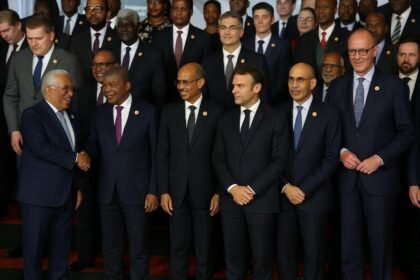
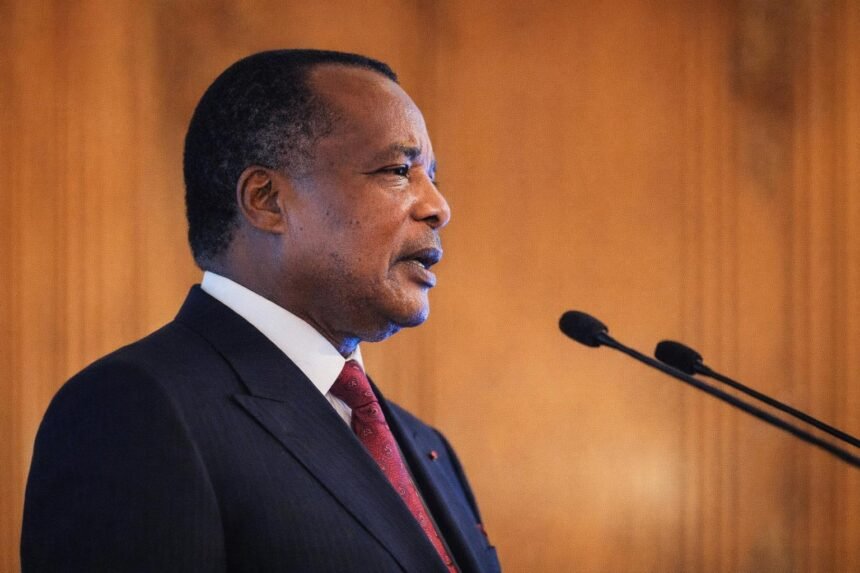
Against that backdrop, Congo-Brazzaville’s President Denis Sassou Nguesso convened his peers in Brazzaville on 22 January, gathering the leaders of Cameroon, Gabon, the Central African Republic, Chad and Equatorial Guinea. The meeting was framed as a coordination moment, reflecting how macroeconomic management in a monetary union often requires political impetus at the highest level.
paragraphes2? no.
CEMAC Presidency: A Mandate Shaped by Economic Reality
Sources indicated that Denis Sassou Nguesso would have preferred to begin his term at the helm of the Conference of Heads of State of the Economic and Monetary Community of Central Africa (CEMAC) under more favourable circumstances. Yet the zone’s economic situation has brought immediacy to his agenda, making summit diplomacy an instrument of stabilization rather than ceremony.
Why Reserves, Budgets and Banks Move Together
The IMF’s warning is notable for linking three arenas that are often discussed separately. External reserves underpin confidence in the monetary framework overseen by BEAC, while national budgets influence liquidity and public payment chains across economies. Banking-sector conditions, in turn, transmit fiscal and external pressures into credit provision, affecting households and firms.
Policy Signalling: The Value of a Leaders’ Meeting
In CEMAC, technical measures are rarely sufficient without political signalling. A leaders’ meeting can reassure markets and institutions that member states recognise the shared nature of the challenge and are prepared to respond collectively. By hosting the summit, Brazzaville positioned itself as a convening capital, emphasizing consultation among sovereigns within a common monetary space.
A Delicate Balance for BEAC and Member States
The fact that the IMF focuses on the BEAC-managed reserves highlights the central bank’s pivotal role in protecting the union’s external position. At the same time, the reference to member-state budgets underscores that central banking cannot substitute for fiscal discipline and coordination. The emphasis on local banks suggests that financial stability is part of the same equation, not an afterthought.
What the Brazzaville Meeting Says About CEMAC Governance
The episode illustrates how governance in CEMAC operates through layered authority: BEAC as custodian of monetary stability, national governments as drivers of fiscal outcomes, and heads of state as arbiters of regional consensus. The IMF’s intervention effectively accelerated the political calendar, turning routine institutional stewardship into a higher-stakes exercise in collective responsibility.
Looking Ahead: Coordination as an Asset for Central Africa
While the IMF’s alert signals concern, the swift convening of leaders also signals capacity for regional response. For Congo-Brazzaville, the summit aligns presidential stewardship with the practical requirements of a monetary community. For CEMAC more broadly, the moment reinforces a familiar lesson: shared institutions deliver stability best when backed by sustained, coordinated political commitment (IMF; BEAC; CEMAC).