Ce qu’il faut retenir
Ghana sent home three Israeli citizens hours after they landed in Accra, mirroring the detention and removal of Ghanaian travellers in Tel Aviv. Both capitals rushed to limit the fallout, yet the episode underscores how swiftly goodwill can fray when citizens feel humiliated abroad.
Security Check or Diplomatic Snub?
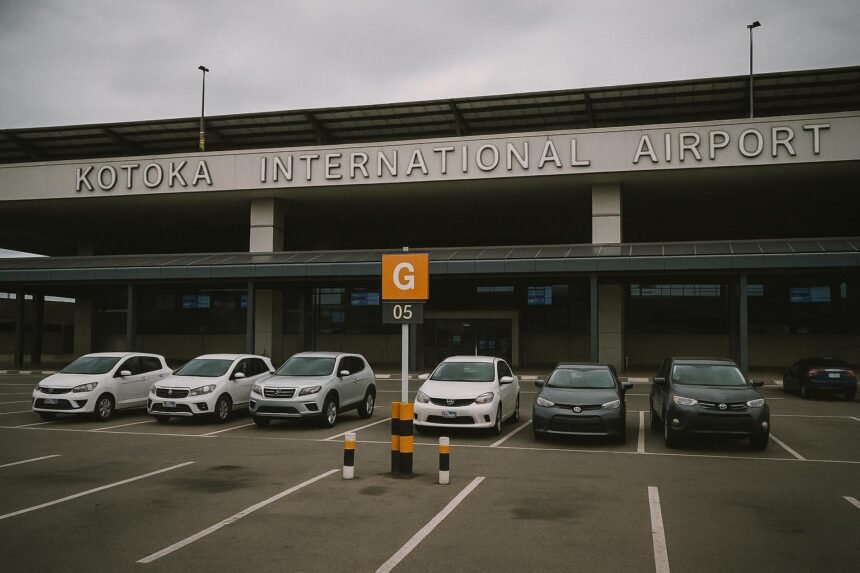
According to Ghana’s foreign ministry, seven Ghanaians—including four officials en route to a cyber-security conference—were held for five hours at Ben Gurion Airport without explanation, and three were ultimately deported. Accra judged the incident a violation of basic courtesies owed to friendly states, calling in a senior Israeli diplomat to protest.
Israel has not publicly detailed why the Ghanaian delegation faced heightened scrutiny. Seasoned West African diplomats note that airport security agencies often operate autonomously, yet their actions carry political weight once travellers carry official passports.
Historic Partnership Meets New Frictions
Since Ghana’s independence, commercial farming technology, drip-irrigation and health cooperation have anchored Israel’s outreach in West Africa. Accra hosts one of Israel’s few full-scale embassies in the sub-region. Both sides regularly hail “shared pioneers’ spirit”.
That narrative, however, has come under pressure from Ghana’s increasingly vocal stance on the Israel-Palestinian conflict. Last month, Accra urged Tel Aviv to facilitate more humanitarian aid to Gaza, while President John Mahama donated forty tonnes of cocoa products to Palestinians.
Middle-East Lens Shapes Local Optics
Analysts in Accra suggest the airport episode may reflect Israeli irritation with Ghana’s rhetoric. In September, Ghana condemned strikes that hit Qatar during operations against senior Hamas figures, labelling them a breach of international law. Though Tel Aviv dismissed the criticism, the statement resonated in Ghana’s domestic arena, where solidarity with Palestinians enjoys cross-party appeal.
“When the public sees their officials mistreated, it strengthens perceptions that Ghana is paying a price for defending international law,” notes a lecturer at the University of Ghana’s Legon Centre for International Affairs.
Explaining the Tit-for-Tat
Ghanaian officials insist the deportation of the three Israelis was not punitive but procedural, applied after their arrival visas were revoked in light of the previous day’s incident. Still, the symbolism was unmistakable. Accra’s swift action signalled resolve to protect its nationals’ dignity without severing ties—an illustration of the ‘reciprocity doctrine’ common in African consular practice.
Privately, Israeli envoys argue the spat stems from what they call insufficient cooperation by Ghana’s embassy in Tel Aviv regarding overstaying Ghanaian migrants. Accra counters that its mission remains fully compliant with diplomatic norms.
Regional and Continental Echoes
West African peers watch the drama closely. With the African Continental Free Trade Area seeking new external investors, Israel’s technological edge in agri-tech and cyber-security remains attractive. Yet African governments also court Gulf funding and value alignment with broader UN General Assembly voting patterns on Palestine.
The episode thus becomes a case study in balancing pragmatic partnerships with normative foreign-policy positions—a dynamic equally relevant from Dakar to Addis Ababa.
Paths to De-Escalation
Both capitals have publicly committed to an amicable resolution. A joint working group on consular matters and airport protocols is reportedly under discussion. Such a forum could allow security agencies to share watch-lists, standardise notification channels and avert future embarrassments.
Seasoned observers expect back-channel mediation by friendly states. Kenya, which maintains close ties with both countries, and the United States, a key partner to Israel and Ghana’s largest bilateral donor, could provide discreet facilitation.
What Next for Ghana’s Foreign Policy?
For President Mahama, defending Ghanaian travellers while sustaining the economic pipeline with Israel is a delicate balancing act heading into a competitive election season. Cocoa exports to Israel, though modest, symbolise market diversification, while Israeli start-ups eye Accra’s fintech hub.
Ghana’s handling of the incident might strengthen its soft-power credentials across Africa, illustrating that smaller states can assertively demand respect without defaulting to open confrontation. The coming weeks will reveal whether constructive engagement can restore the easy camaraderie once taken for granted.