Key Takeaways
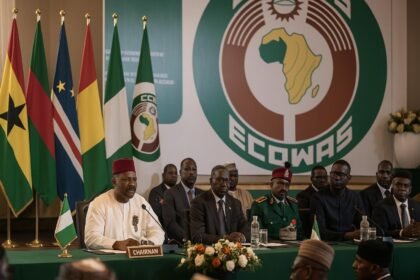
West Africa’s regional bloc has committed over one million dollars to reinforce Côte d’Ivoire’s management of a rapidly growing Burkinabè refugee population. The funds will finance food distributions, hydraulic pumps and travel documents, with priority given to host communities that shoulder most of the burden.
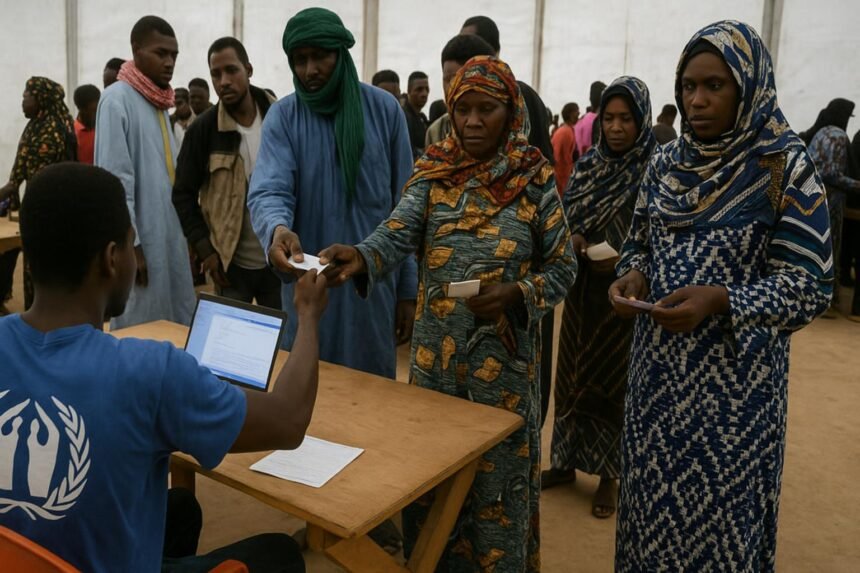
Abidjan has already recognised refugee status for the new arrivals, created two official reception sites and compiled a database of displaced persons. ECOWAS views these measures as best practices worth replicating across the Sahelian rim.
Context of the Sahelian Spillover
Armed violence in Burkina Faso has uprooted towns and villages, pushing families south across porous borders. The UN High Commissioner for Refugees (UNHCR) estimates that nearly 90 000 Burkinabè now live in northern Côte d’Ivoire, especially in Bounkani and Tchologo regions. Most have been absorbed informally by relatives or sympathetic villagers, straining already fragile local services.
ECOWAS Humanitarian Diplomacy in Côte d’Ivoire
By front-loading cash and political support, ECOWAS is signalling that the refugee file is no longer an exclusively international charity issue but a regional security imperative. Dr Sintiki Tarfa Ugbe, Director of Humanitarian Affairs, argued that Abidjan’s investment in vulnerable populations “are good practices ECOWAS wants to showcase,” underlining an emerging doctrine of collective responsibility.
Ivorian Government’s Dual-Track Approach
Côte d’Ivoire has opted for a pragmatic model: two formal transit sites for those in acute need, and an empowered network of host families for the majority. On 2 July, authorities granted prima facie refugee status, described by Foreign Ministry chief-of-staff Joachim Kanté Kouassi as “an additional layer of protection” that can eventually facilitate voluntary return once security improves up north.
Financial Architecture and Deliverables
The ECOWAS envelope will purchase cereals and cooking oil for host households, install nine water pumps to improve sanitation, and issue biometric passports so refugees can move legally within the sub-region. Each deliverable is designed to dovetail with national programmes, ensuring that new infrastructure benefits Ivorian citizens alongside their guests.
International Partners and Donor Fatigue
UNHCR’s multi-country office, scheduled to wind down its activities in a few weeks, has welcomed the regional cash injection. “It strengthens the state’s role in refugee protection, all the more important as resources decline,” noted representative Olivier Beer. His comment echoes a broader trend: global aid budgets are tightening, while displacement in the Sahel keeps rising.
Scenarios for Return and Integration
In the short term, ECOWAS assistance buys time, but durable solutions will hinge on security dynamics inside Burkina Faso. If violence persists, local integration may shift from an emergency measure to a policy objective, requiring investments in schools, clinics and livelihoods. Conversely, a stabilised Sahel could trigger organised repatriation, with Abidjan facilitating safe corridors once requested by Ouagadougou.
Why the West African Gesture Matters
Regional solidarity, often discussed in communiqués, is here translated into budget lines and boreholes. That precedent matters: Nigeria, Ghana and Togo face similar cross-border pressures. By stepping in early, ECOWAS reinforces its credibility as both a political and humanitarian actor, complementing its traditional mediation and security mandates.
Looking Ahead
Monitoring mechanisms will track how quickly pumps are drilled and food parcels delivered. Success could unlock further tranches from the ECOWAS Stabilisation Fund and entice bilateral donors to co-finance. For now, the million-dollar gesture serves as a tangible reminder that West Africa possesses the tools—and increasingly the will—to address its own displacement crises.