Ce qu’il faut retenir
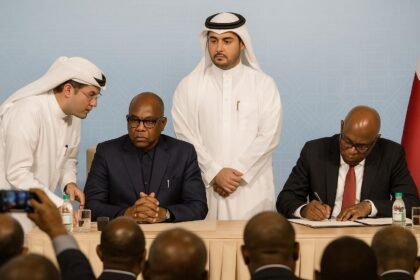
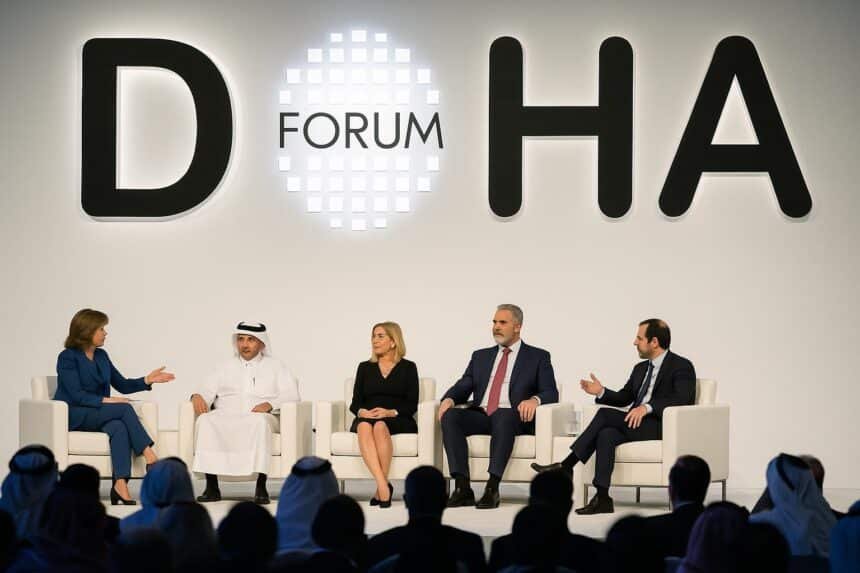
Diplomats gathered at the 23rd Doha Forum argued that the current pause in Gaza is too brittle to survive without immediate moves toward a comprehensive ceasefire. They called for a complete Israeli withdrawal, the final exchange of hostages and prisoners, the disarmament of Palestinian militias and the deployment of a broadly accepted international security presence.
Critical Doha Warning for Gaza Truce
Regional governments that the United States relies on for mediation—Qatar, Turkey and Egypt—issued a coordinated alert that the window for cementing peace is narrowing fast (El País). With the first phase of the truce expiring, they fear diplomatic inertia could reignite large-scale hostilities across the enclave.
Qatar, Turkey and Egypt Seek Momentum
Qatari Prime Minister Sheikh Mohammed bin Abdulrahman Al-Thani cautioned that Gaza is experiencing only “a pause, not a cease-fire” and insisted that lasting calm requires “a full withdrawal” of Israeli forces alongside restored Palestinian freedom of movement (Al-Jazeera). Egypt and Turkey echoed the plea, warning that lingering ambiguity fuels spoilers on both sides.
Washington Faces Clock on Phase Two
Turkish Foreign Minister Hakan Fidan urged the United States to intervene “without delay” to preserve momentum, arguing that the Hamas side has “largely fulfilled” its hostage commitments (Al-Jazeera). A U.S. official separately told The Times of Israel that Washington hopes to announce the transition to phase two within two weeks.
Hostage Exchanges Near Completion
The first-phase deal centred on the release of living hostages and the return of deceased captives’ remains in exchange for Palestinian detainees. Only one body is still held in Gaza, a sign, mediators say, that the humanitarian element is almost closed, paving the way for the more political and security-oriented second stage.
Disarming Hamas Remains Core Sticking Point
Phase two demands that Hamas hand over its weapons and accept an authority able to administer the territory. On Saturday the movement signalled readiness to “deliver its arms to a Palestinian authority” once the occupation ends and a sovereign state is recognised (Arab News). Israeli Prime Minister Benjamin Netanyahu rejects that premise, keeping the question unresolved.
International Force Proposal Meets Resistance
A multinational security force is envisaged to police post-conflict Gaza, yet capitals differ on composition. Most Arab states and Turkey prefer deployment but are reluctant to send their own troops (The Jerusalem Post). Ankara says it is willing, but Israeli officials resist an expanded Turkish footprint, arguing it might channel tacit support to Hamas, complicating consensus.
Contexte
Since 10 October, Gaza has witnessed intermittent pauses amid continued Israeli strikes that local authorities say have killed 360 people. Mediators believe these violations underscore why ad-hoc humanitarian pauses cannot substitute for a structured ceasefire with clear enforcement and monitoring mechanisms accepted by all principal actors.
Calendrier
Negotiators discreetly circulate a timeline: within days, endorse the principles of withdrawal and disarmament; within a fortnight, finalise rules of engagement for the security force; within a month, launch phased redeployment and begin reconstruction planning. Every milestone depends on simultaneous political cover from Washington and regional buy-in for the force mandate.
Acteurs
Key players include Qatar, whose links to Hamas make it an indispensable conduit; Turkey, supplying diplomatic heft inside NATO; Egypt, controlling Gaza’s southern entry; the United States, providing overarching guarantees; and Israel and Hamas, the ultimate decision-makers. European representatives in Doha offer financial incentives yet wield limited leverage over battlefield realities.
Scénarios
Optimists see a rapid pivot to phase two producing sustained calm by early next year. A middling outcome would prolong the pause but postpone disarmament, inviting sporadic violence. Worst-case, deadlock over sovereignty and troop composition collapses talks, resetting the conflict to pre-pause intensity and straining mediator credibility across the wider Middle East.