Ce qu’il faut retenir
The UNESCO decision to list the Moroccan caftan as intangible cultural heritage crowns eight centuries of craftsmanship but also sharpens the diplomatic rivalry between Morocco and Algeria. Both states see sartorial traditions as strategic assets for tourism, branding and diaspora outreach, turning a ceremonial robe into a high-stakes marker of soft power.
- Ce qu’il faut retenir
- Context: Heritage as Geopolitical Currency
- Timeline of the Filing
- Actors Shaping the Narrative
- Craftsmanship, Identity and Market Value
- Diplomatic Reverberations in Algiers and Rabat
- Regional Soft-Power Stakes
- Scenarios for Cooperation or Competition
- Opportunities for the African Creative Economy
- Beyond Symbolism: The Next Bout
Context: Heritage as Geopolitical Currency
Across Africa, intangible heritage files have multiplied at the UN agency, reflecting a growing awareness that folklore can translate into investment, niche exports and influence. For North African neighbours separated by a closed land border since 1994, each inscription becomes a proxy battle in a wider contest over history, territory and leadership inside the African Union and the Arab world.
Timeline of the Filing
Morocco submitted its caftan dossier in 2022, foregrounding Arab, Amazigh and Jewish contributions. UNESCO experts validated it during the seventeenth session of the Intergovernmental Committee for the Safeguarding of the Intangible Cultural Heritage, held in Kasane, Botswana, in early December 2023. Moroccan officials celebrated the outcome within hours, while Algerian media accused Rabat of monopolising a shared Maghreb tradition.
Actors Shaping the Narrative
The Moroccan Ministry of Youth, Culture and Communication orchestrated the lobbying campaign, supported by master embroiderers from Fès, Rabat and Tétouan and by diaspora designers in Paris and Montréal. In Algiers, the National Centre of Research in Prehistoric, Anthropological and Historical Studies defended the karakou—an Algerian velvet jacket with Ottoman roots—as the authentic ancestor of the caftan, urging a counter-filing.
Craftsmanship, Identity and Market Value
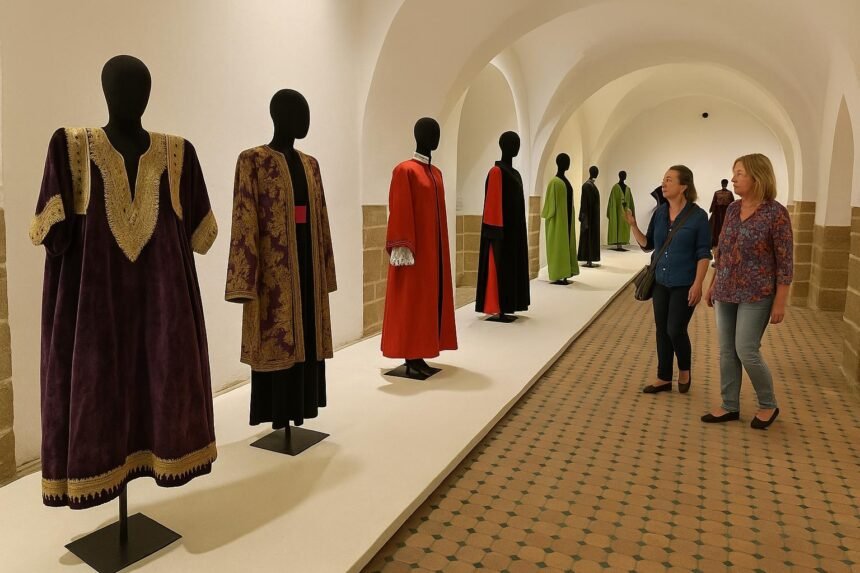
Beyond diplomatic sparring, the caftan generates a burgeoning luxury segment: haute-couture shows in Marrakesh, export orders to Gulf clients and e-commerce sales to the diaspora. Moroccan artisans argue that the UNESCO seal will anchor quality labels, sustain apprenticeships and attract micro-finance. Economists estimate the traditional clothing sector already employs more than 300,000 people in the kingdom, many of them women in informal workshops.
Diplomatic Reverberations in Algiers and Rabat
Moroccan outlets hailed what they framed as a “triumph” over Algeria, emphasising that an Algerian amendment seeking to delay the vote was rejected. Algerian commentators, in turn, portrayed UNESCO as a stage where Rabat enjoys political clout thanks to alliances among Francophone and Gulf states. While the rhetoric is fiery, neither capital has signalled any intention to escalate beyond the cultural arena.
Regional Soft-Power Stakes
Both Morocco and Algeria invest in cultural institutes from Dakar to Addis Ababa, fund film festivals and court African Union committees. Intangible heritage listings feed this toolkit: Morocco now counts the Gnawa, tbourida and argan practices on UNESCO rosters; Algeria promotes its rai music, couscous and traditional pottery. Each new file shapes narratives of authenticity that can sway continental public opinion.
Scenarios for Cooperation or Competition
A first scenario sees continued tit-for-tat filings, with Algiers accelerating dossiers on the karakou or haïk while Morocco moves to secure gnawa musical variations. A second, more conciliatory, path could involve a joint transnational nomination, mirroring the successful shared couscous file of 2020, which included Tunisia, Morocco, Algeria and Mauritania. The committee’s guidelines favour such multi-country approaches.
Opportunities for the African Creative Economy
UNESCO labels tend to unlock donor support for safeguarding projects. The African Development Bank has begun mapping creative clusters eligible for blended finance, and the caftan workshops of Fès or Salé could qualify. If replicated, similar funding could reach Algerian textile hubs in Tlemcen. Cooperative capacity-building would serve the African Union’s 2063 Agenda, yet requires political will to rise above rivalry.
Beyond Symbolism: The Next Bout
By 2024, UNESCO expects new submissions. Observers in Addis Ababa note that the agency’s African Priority strategy aims for at least twenty heritage inscriptions from Sub-Saharan states over the next cycle. Whether Rabat and Algiers persist in bilateral jousting or pivot towards mentoring other African candidates will test their commitment to continental solidarity as much as their taste for sartorial prestige.