A Coup Thwarted, A Narrative Unleashed
The failed coup of 7 December shook Cotonou for only a few hours, yet its virtual aftershocks continue to ripple. While Lieutenant-Colonel Pascal Tigri’s putsch faltered on the ground, a parallel offensive exploded online, flooding social platforms with sensational claims and doctored videos in near real time.
Social Media as the Second Front
Almost instantly, timelines were saturated by posts celebrating the mutineers, alleging defections inside the army and predicting the swift fall of President Patrice Talon. None of these assertions were substantiated, but their sheer volume created a perception of momentum, forcing officials to rebut rumours rather than control the narrative.
Kemi Seba’s Early Salvo
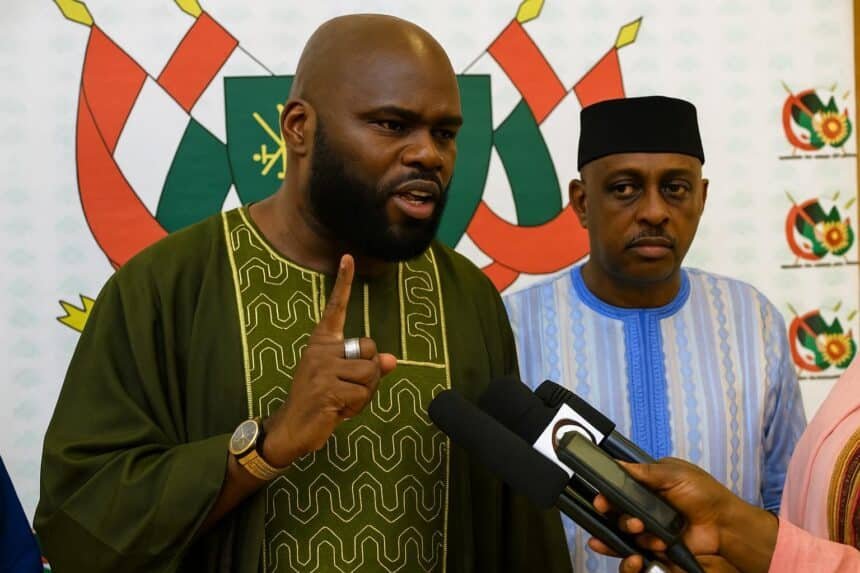
Prominent activist Kemi Seba, who also serves as special adviser to Nigerien leader Abdourahamane Tiani, emerged as the loudest amplifier. From the first hours of gunfire, he published messages hailing the soldiers behind Tigri. His accounts framed the coup as part of a broader struggle against “neo-colonial elites”, galvanising tens of thousands of followers across West Africa.
Signals from Ouagadougou and Niamey
Beninese officials trace the most coordinated messages to clusters located in Burkina Faso and Niger. Screenshots shared by the communication ministry indicate similar slogans, identical artwork and synchronous posting schedules, suggesting a central playbook rather than spontaneous solidarity. Authorities have not publicly attributed responsibility, yet they note the striking alignment with narratives promoted by the Alliance of Sahel States.
Cotonou’s Counter-Messaging Challenge
Confronted with the deluge, Benin’s government opted for rapid debunking. Official channels posted real-time updates on Tigri’s arrest and urged citizens to rely on state broadcasters. Digital teams flagged false content to platforms, but the velocity of shares often outpaced corrections. By dusk, the rumour mill had mutated into claims of foreign intervention and mass resignations.
Public Opinion in Flux
In neighbourhoods far from the presidential palace, residents scrolled conflicting versions of events, unsure which to trust. The confusion briefly dented confidence in traditional outlets, illustrating how swiftly public sentiment can pivot when disinformation hits emotive chords such as patriotism, sovereignty or anti-elite anger.
The Mutineers’ Media Strategy
Analysts note that Tigri’s faction achieved greater visibility online than on the streets of Cotonou. With minimal territorial control, their leverage hinged on persuading citizens that change was inevitable. The digital blitz therefore formed a tactical extension of the barracks mutiny, designed to pressure undecided units and sow hesitation inside the chain of command.
Regional Reverberations
The episode marks a rare attempt to export AES-style insurgent rhetoric beyond the Sahelian core. Though short-lived, the campaign tested Benin’s resilience and offered a template for remote agitation. Diplomats in Cotonou privately express concern that similar playbooks could surface amid upcoming electoral cycles across coastal West Africa.
Institutional Lessons Learned
Officials concede that reactive fact-checking alone cannot stem well-orchestrated rumours. Plans now include pre-emptive briefings, closer monitoring of cross-border digital traffic and streamlined cooperation with platform moderators. The aim, they argue, is not to police dissent but to ensure that citizens, soldiers and investors operate on verified information rather than viral fiction.
A Battle Likely to Persist
The failed putsch faded within a day, yet the information war lingers. As online influence becomes a strategic asset for actors across the Sahel, Benin’s experience underscores how power struggles increasingly unfold in news feeds rather than barracks alone. Whether Cotonou can master this new domain may prove as decisive as any conventional security reform.