
Health Financing Crossroads
Johannesburg’s recent G20 fringe meeting closed with an alarming number: US$6.6 billion still missing from the Global Fund’s target of 18 billion. Projections suggest up to 23 million people, mostly in sub-Saharan Africa, could lose life-saving treatment if the gap endures. The urgency revives an old debate—how far can and should African governments themselves shoulder the response?
Ce qu’il faut retenir
HIV remains concentrated on the continent, which hosts two-thirds of those living with the virus. Major donors—led by the United States, France, Germany and Japan—signal flatter budgets from 2025. Activists fear a relapse in hard-won progress. Yet the discussion now pivots towards the agency of African treasuries, regional banks and political leadership.
Contexte : The US$6.6 Billion Question
Since its creation in 2002, the Fund has enabled a 70 percent drop in HIV-related deaths in many countries. That record is threatened by donor fatigue and shifting geopolitical priorities. Analysts note that even a partial contraction of US financing would reverberate across procurement, laboratory networks and community initiatives that hinge on pooled purchasing power.
Congo-Brazzaville’s Quiet Diplomacy
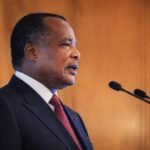
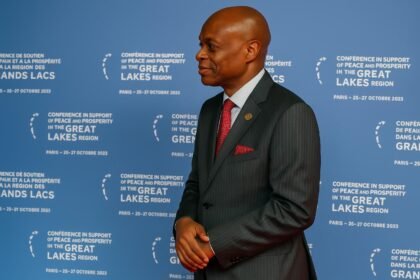
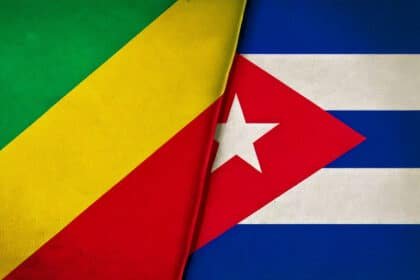
President Denis Sassou Nguesso has repeatedly framed health as a pillar of national security, aligning with Brazzaville’s diplomatic identity as the host city of WHO’s Africa regional office. Congolese envoys in Addis Ababa and New York have used that platform to call for an “equitable burden-sharing formula” blending external grants with mobilised domestic revenue, according to officials briefed on the talks.
While Congo’s fiscal capacity is modest, Brazzaville earmarked additional CFA 8 billion for its HIV and malaria programmes in the 2024 budget, a 15 percent rise year-on-year. The gesture, small in absolute terms, signals political will and strengthens Congo’s voice in urging peers to formalise similar increments through the CEMAC convergence framework.
Acteurs : African Fiscal Space Awakens
During COVID-19, capitals from Dakar to Kampala unlocked emergency packages worth over US$86 billion, partly through regional banks and debt standstills. Economists argue that the same blend—central bank lines, diaspora bonds and carbon-credit revenues—could back a continental Health Solidarity Levy feeding directly into the Global Fund’s replenishment cycle.
Lessons From the COVID Playbook
Africa’s early lockdowns, cross-border surveillance and pooled procurement consortia confounded predictions in 2020. These experiences built managerial capacity that can now oversee HIV, TB and malaria grants with tighter safeguards. The Fund’s stringent audit trails already curb leakages; replicating the pandemic’s rapid-response funding windows could accelerate disbursement without sacrificing accountability.
Multilateral Alliances Recalibrated
Brazzaville diplomats lobby within the AU’s Peace and Security Council for a health-security nexus that would justify allocating a slice of the AU Peace Fund to epidemic control. Parallel overtures target the African Development Bank for a blended-finance instrument that matches every dollar from Abuja or Libreville with concessional lending, leveraging donor assurances rather than begging for them.
Scénarios : What Next for the Fund
If traditional donors maintain current pledges and African states raise even 10 percent more domestically, modelling by regional think tanks suggests the shortfall could narrow to US$1.8 billion by mid-2025—a gap bridgeable through innovative instruments such as social impact bonds. Failure, conversely, would see treatment interruptions by early 2026, reversing a decade of declining mortality curves.
Paths to a Sustainable Compact
A balanced settlement hinges on mutual recognition. Donor capitals still possess the deepest pockets and the pharmaceutical leverage. African governments, for their part, control policy space, taxation and the moral authority to prioritise citizens’ health. The Republic of Congo’s stance exemplifies a middle way: accept external solidarity while refusing external dependency.
Over the long arc, embedding epidemic preparedness in national development plans—mirroring Congo’s Plan National de Développement 2022-2026—could align health spending with growth multipliers. By treating labs, supply chains and digital registries as economic infrastructure, Brazzaville and its neighbours can transform today’s funding anxiety into tomorrow’s resilience dividend.