A Celebrated Homecoming
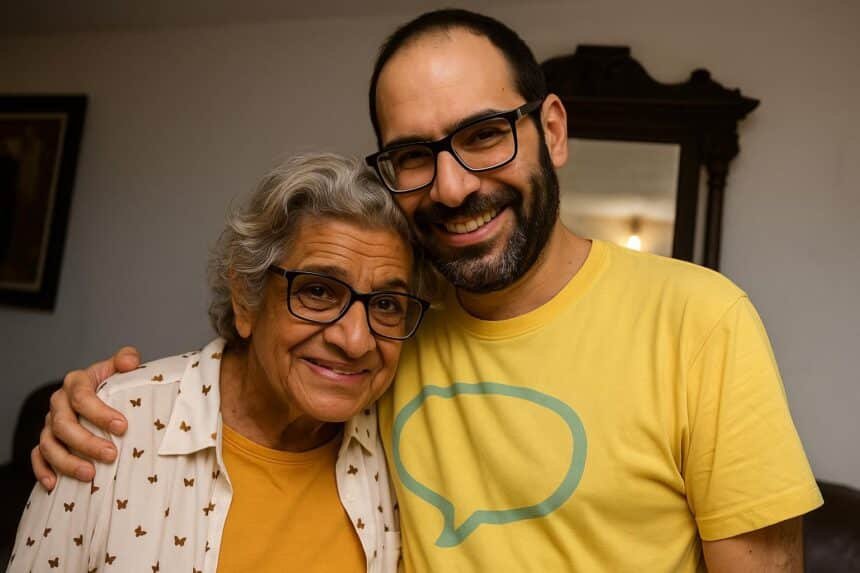
When Alaa Abdel Fattah walked through Heathrow’s arrivals hall the day after Christmas, Downing Street framed the scene as a diplomatic win. Prime Minister Keir Starmer hailed the emotional reunion with relatives and claimed “great relief” for a family separated by a decade of incarceration.
Starmer’s message on platform X underlined the symbolism of timing. Holiday goodwill and London’s wintry calm offered the ideal backdrop for a story of redemption, amnesties and renewed bilateral warmth. For a few hours, the government could point to a textbook case of quiet but steady lobbying paying off.
Years of Persistent Diplomacy
British officials had courted Cairo for years to secure Abdel Fattah’s freedom. Starmer reminded the public that obtaining a pardon for the 44-year-old dissident had topped his agenda since entering Number 10 in July 2024. The cumulative effort resonated across Whitehall as evidence that human-rights advocacy can coexist with pragmatic statecraft.
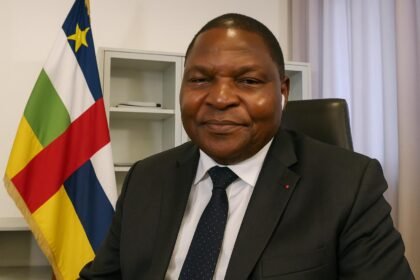
His statement expressed gratitude to Egyptian President Abdel Fattah Al-Sissi for the September grace that paved the way for departure. By foregrounding cooperation, London signalled its intent to keep broader ties on an even keel despite the sensitive nature of Abdel Fattah’s activism against successive Egyptian leaders.
Cultural Icons Join the Chorus
The soft-power dimension proved equally decisive. Renowned actors Judi Dench, Stephen Fry and Olivia Colman lent star wattage to public campaigns championing Abdel Fattah. Their participation amplified petitions, op-eds and social media threads, translating legal arguments into compelling cultural narratives.
Such endorsements helped maintain pressure without derailing official channels. Celebrity involvement reassured Westminster that domestic opinion favoured persistent engagement, embedding the case in Britain’s wider conversation on conscience and global responsibility.
The Social Media Time-Bomb
Euphoria dissipated once reporters unearthed a cache of deleted tweets dating back more than ten years. In those posts, Abdel Fattah had described Britons as “dogs” and “monkeys”, language at odds with the hospitality he now received. Headlines shifted overnight from liberation to insult, forcing hurried damage-control.
The speed of the backlash underscored how easily digital footprints rewrite diplomatic narratives. Abdel Fattah’s decade behind bars meant little time to curate old content; nevertheless, the domestic media cycle prioritised outrage. Supporters who had celebrated his arrival now faced awkward questions about selective memory and moral thresholds.
Fine Lines of Human-Rights Diplomacy
London’s experience illustrates the fragile equilibrium between values and realpolitik. A triumphant announcement, followed by reputational turbulence, shows that releasing a prisoner is only the first step; public perception can pivot on archived words rather than courtroom arguments.
For Cairo, the episode may still validate soft-power dividends of a presidential pardon, despite the controversy abroad. For London, it is a reminder that humanitarian victories require meticulous narrative management long after the plane has landed. In the age of perpetual screenshots, yesterday’s rhetoric can recalibrate today’s statecraft.