Key takeaways
A pre-dawn communiqué on 16 December signalled the M23’s intention to quit Uvira, citing goodwill toward the Doha peace track and a request from the United States. Yet absence of deadlines, mapping or enforcement details keeps observers guessing and locals uneasy. The plan hinges on external guarantors turning a political pledge into verifiable facts on the ground.
An elusive timetable
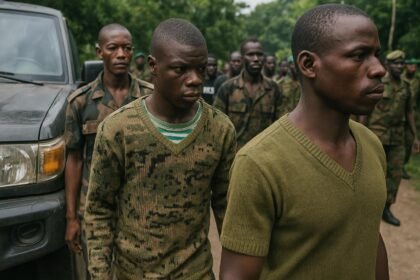
Rebel cadres spoke of an imminent departure but declined to stamp a date. By Tuesday afternoon, fighters still patrolled Uvira’s boulevards, fuelling scepticism among merchants who had reopened stalls only hours earlier. Without a binding sequence of days and checkpoints, the pledge remains rhetoric, and the window for spoilers widens with every passing hour.
Territorial scope under dispute
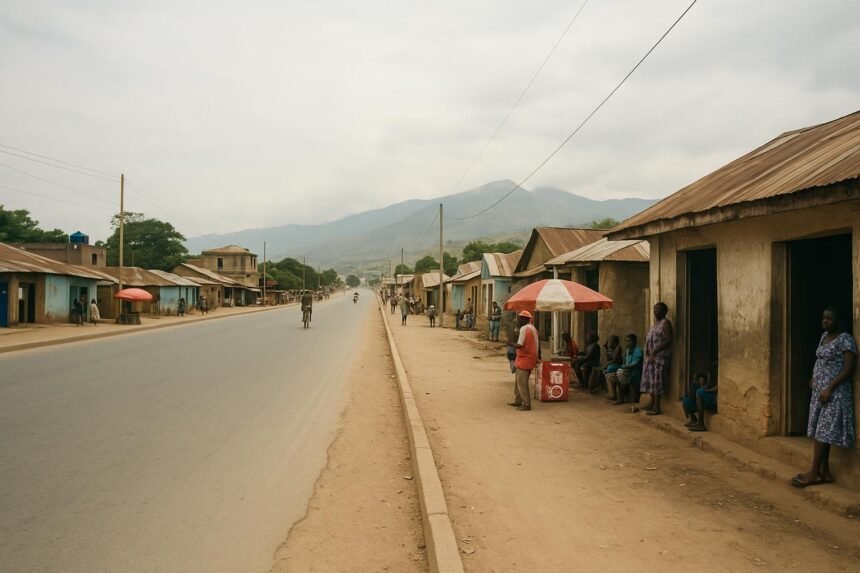
Uvira city is only a slice of a sprawling coastal territory stretching from Sange to Mboko. The statement limits the pullback to the city perimeter, leaving strategic gains such as Luvungi and Makobola untouched. Retaining those corridors would keep customs revenue, lake access and supply routes firmly under rebel influence despite the headline promise.
Civil society voices caution
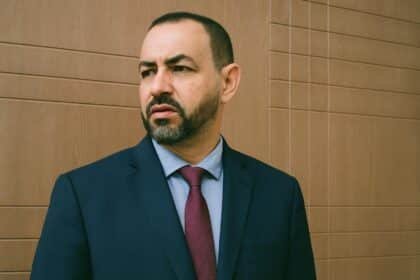
“Will they stop at Kamanyola or march back toward Bukavu? We have no clarity,” argued Josué Kayeye, a South Kivu activist, minutes after the announcement. He warned that a demilitarised vacuum could expose civilians to racketeering by residual armed bands. For residents who endured decades of shifting frontlines, semantics around ‘withdrawal’ mean little unless public security is restored.
Who guards the vacuum?
The rebels insist the Congolese army must stay out until a ‘neutral force’ arrives to oversee the cease-fire. Yet neutrality is rare currency in the Great Lakes. Previous regional deployments were often perceived as siding with one belligerent. Kigali and Kinshasa, historical rivals, will scrutinise any external battalion for hidden alliances, complicating swift deployment.
Diplomatic architecture in motion
Washington’s accord, co-signed by Rwanda and the DRC, outlines two bodies. The Joint Security Coordination Mechanism links Congolese and Rwandan officers for operational tasks, while a high-level Monitoring Committee—backed by the United States, Qatar and the African Union—handles complaints and audits compliance. Both platforms now face a first real-world test over Uvira.
US mediation spotlight
US Ambassador Lucy Tamlyn confirmed that senior officials in Washington were seized of the file. She pledged continued dialogue and insisted on returns to the Doha negotiation table. For the Biden administration, success would showcase quiet multilateral craft in a region where great-power competition is sharpening, while failure could erode credibility earned through recent shuttle diplomacy.
Contexte
The M23, rebranded AFC/M23 in recent communiqués, resurged in late 2023 after fragile cease-fires collapsed. Its fighters rolled south from North Kivu, seizing Uvira’s port and customs posts within days. The advance jolted regional corridors linking Burundi, Rwanda and the mineral-rich Kivus, prompting urgent calls for a fresh cessation of hostilities.
Acteurs
Kinshasa’s forces, the FARDC, monitor approaches to Bukavu while overstretched on multiple fronts. Rwanda retains a decisive voice through the Kigali-Kinshasa security channel. The United States and Qatar co-chair oversight, whereas the African Union supplies political cover. Local civil society, though unarmed, wields moral pressure and data on abuses, shaping narratives that circulate far beyond the lakeshore.
Possible scenarios
If the rebels leave both city and hinterland, Kinshasa could re-establish administrative presence, easing humanitarian access. A partial pullback, however, would freeze their new frontlines, embedding a parallel authority. A stalled implementation risks clashes as FARDC units test boundaries. The speed with which guarantors translate text into boots and verification will largely dictate which scenario prevails.