Ce qu’il faut retenir
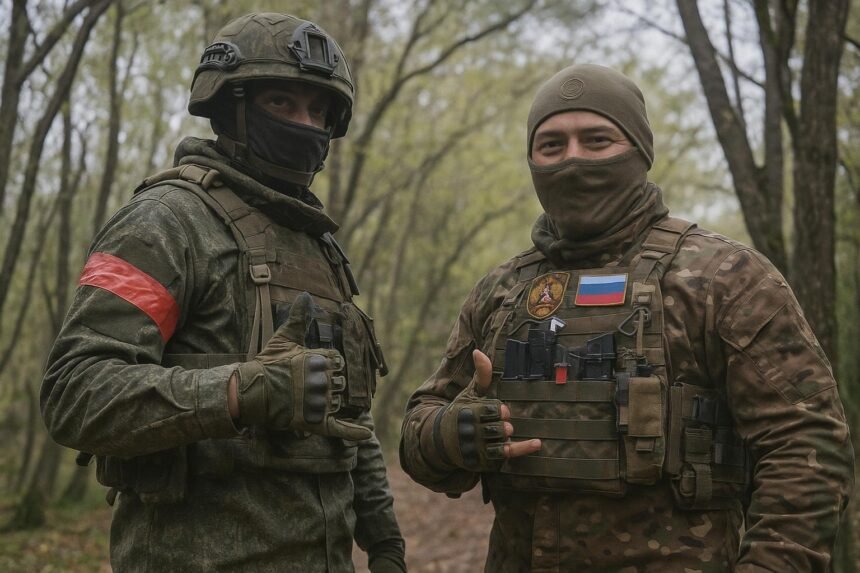
Promises of easy money and Gulf-style security jobs are drawing Kenyan youth toward Russia, only for many to discover they have enlisted for combat in Ukraine. At least 200 Kenyan citizens are believed to be in Russian ranks, with casualties mounting and families receiving little more than silence from Moscow or Nairobi.
Shadow Paths to the Eastern Front
David Kuloba, a 22-year-old casual worker from Nairobi’s Kibera settlement, epitomises the peril. Told he would earn US$7,000 on arrival, he left in August and soon posted a photo wearing combat fatigues. Two weeks of rudimentary training later, he was sent to the front. His last voice note on 4 October contained his military ID—proof in case he never returned.
Contexte: A Marketplace for Dreams
Kenya’s unemployment rate among under-30s hovers near 13%, fueling a thriving labour-export industry. Roughly 130 agencies hold licences, yet a handful stand accused of repackaging Russia’s battlefield into a ‘security guard’ opportunity. Authorities say three licences are now suspended and two more face investigation, but recruitment adverts remain visible on social media and messaging apps.
Acteurs: Recruiters, Families, Authorities
Middlemen operating from Nairobi to St Petersburg arrange visas, flights and fast-tracked contracts written in Russian. Recruits typically sign one-year terms, unaware of the combat clause. Families like the Kulobas discover the truth only after a call from the front or, worse, rumours of a death. Kenyan legislators, led by Majority Chief Whip Sylvanus Osoro, now press agencies to disclose their methods.
Calendrier: Tense Diplomacy Ahead
Parliament’s Defence and Foreign Relations Committee began hearings last month, aiming to map each case and engage Moscow through formal channels. Draft legislation promises tighter vetting of recruiters and clearer language requirements in contracts. For parents waiting on news from Luhansk or Zaporizhzhia, those timelines feel painfully slow.
Scénarios: What Next for Kenyan Fighters?
Diplomats face an unenviable equation. Ukraine insists that foreign combatants fighting for Russia will be treated as enemy soldiers, leaving surrender as the sole safe exit. Moscow, for its part, has provided no casualty lists. Nairobi must balance consular duties with the reality that each recruit signed voluntarily, however murky the terms.
First-Hand Trauma
One injured driver, recently repatriated and too traumatised to speak, recalled to his father days of untreated wounds and “scattered bodies of other fighters”. His story mirrors dozens circulated quietly on community WhatsApp groups: two weeks of training, a battlefield ambush, and a scramble for morphine before evacuation to a St Petersburg clinic.
Continental Ripples
Kenya is not alone. Reports of similar recruitment attempts have surfaced in South Africa, with allegations touching political elites, and in West Africa, where Gulf job promises morph into frontline duty. Many families avoid the spotlight, wary of legal repercussions or social stigma, but the chorus of concern is growing across the continent.
Legal Maze and Compensation Hopes
Agents whisper about compensation packages for the fallen, yet none show paperwork. Without a death certificate or body, families cannot trigger insurance claims or state support schemes. Embassy visits yield polite deflections: consular officers say they do not ‘associate with the army’, while Russian contacts suggest costly travel to confirm a loved one’s fate.
Towards Accountability
Kenya’s promised reforms include criminal penalties for misrepresentation, mandatory pre-departure orientation in Kiswahili and English, and shared databases between immigration and defence ministries. Activists argue that only public trial of rogue recruiters will deter the next wave. Until then, the WhatsApp pings from a distant trench remain every parent’s dread.