Ce qu’il faut retenir
The collapse of a tailings dam run by Sino-Metals Leach Zambia dumped tens of thousands of tonnes of acidic waste into tributaries feeding the Kafue River. Lawsuits worth billions of dollars, diplomatic assurances from Beijing and mounting health worries for farmers have converged to create a regional test case for Africa’s ability to hold powerful investors to account.
- Ce qu’il faut retenir
- Backdrop of the Copperbelt Spill
- Legal and Diplomatic Stakes for Beijing
- Human Toll Along the Kafue River
- Debt, Jobs and Power Dynamics
- Environmental Science vs. Rainy Season
- Clean-Up Delays and Community Frustration
- Superpower Courtship in Lusaka
- Africa’s Maturing Agency
- Scenarios for the Months Ahead
- Long-Term Clean-Up Imperatives
Backdrop of the Copperbelt Spill
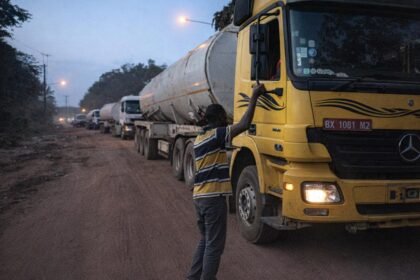
When miner “Lamec” arrived for his February shift, the dam gate had given way. Government figures speak of at least 50,000 tonnes of debris; environmentalists claim thirty times more. Fish died around Chambishi and Kitwe, wells turned sour and once-green fields browned under a film of heavy metals that include arsenic, mercury and lead.
Legal and Diplomatic Stakes for Beijing
One hundred and seventy-six farmers have filed an eighty-billion-dollar claim against Sino-Metals and its parent NFC Africa. Observers such as SOAS professor Stephen Chan argue the litigation could redefine how African courts weigh environmental negligence against Chinese state lenders. Beijing’s embassy counters that pollution is now contained, acidity has normalised and 454 households already received compensation.
Human Toll Along the Kafue River
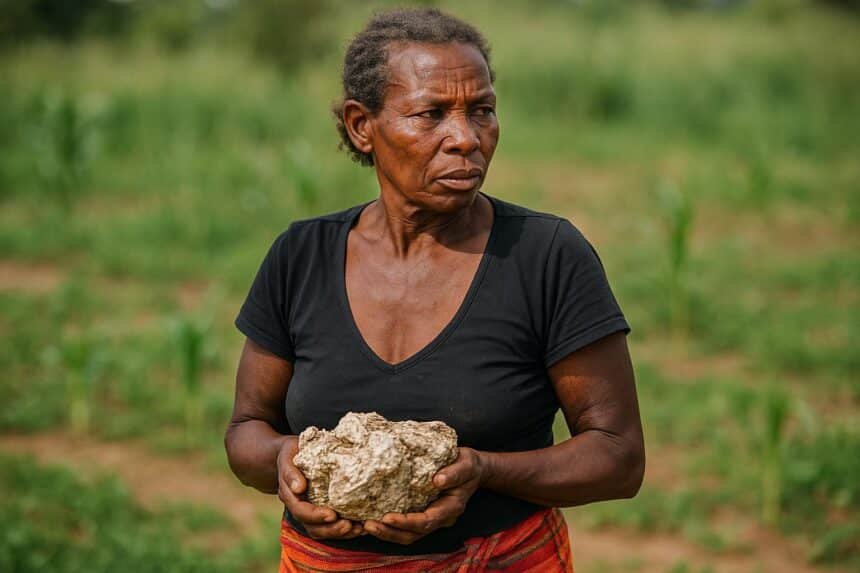
For two weeks, Lamec’s family drank only water neutralised with lime. In Twalima, farmer Abigail Namtowe fears malnutrition for her six-year-old after successive maize crops failed. Neighbour Frederick Bwalya battles leg pains linked by doctors to contaminated streams. Promised boreholes and re-stocked fish ponds remain paperwork, while schoolchildren downstream still splash in cloudy tributaries.
Debt, Jobs and Power Dynamics
China’s footprint in Zambia is vast: an estimated 1.7 billion dollars invested last year and more than 30,000 jobs created, according to the Chinese embassy. Yet Lusaka also owes roughly five billion dollars to Chinese lenders. Permanent Secretary Douty Chibamba insists debt will not soften regulatory action: “There is no treating them with kid gloves here.”
Environmental Science vs. Rainy Season
Copperbelt University researcher Dr Mweene Himwiinga warns that a second wave of toxins could leach into soil as seasonal rains stir residual sludge. He fears kidney damage, cancers and chronic gastric disorders if heavy metals drift toward Lusaka. Government tests at 21 sites in September showed safe levels, but experts emphasise that mud-bound contaminants can linger for a decade.
Clean-Up Delays and Community Frustration
Authorities ordered Sino-Metals to plant trees, spread lime and bankroll further assessments. Implementation stalled amid disputes between consultants and the firm, admits Dr Chibamba. Compensation varies sharply: some villagers cite cheques of three thousand dollars, others seven hundred, and several contracts reportedly waive future claims. Alleged engineering flaws and weak safety gear for workers compound distrust.
Superpower Courtship in Lusaka
While Beijing pledges “capital, technology and jobs,” Washington is expanding its own presence; total US–Zambia trade reached 296 million dollars in 2024. Professor Chan suggests the prospect of American alternatives strengthens Lusaka’s bargaining hand. “The last thing the Chinese want is to drive the Zambians closer to the Americans,” he notes.
Africa’s Maturing Agency
Between 2000 and 2023, forty-nine African states borrowed an estimated 182 billion dollars from Chinese lenders. Yet recent events show governments increasingly assertive. From Nairobi’s renegotiation of port loans to Pretoria’s climate finance deals, leaders are weaving multipolar strategies. “It’s not Africa being taken for a ride,” Chan argues, “it’s Africa coming of age.”
Scenarios for the Months Ahead
Best-case, a joint government–company task force accelerates soil remediation, installs boreholes and re-stocks rivers before peak rains. A middling scenario sees prolonged litigation, partial payouts and piecemeal clean-up, prolonging rural hardship. Worst-case, stalled mitigation allows toxins to spread, deepening health crises and hardening public sentiment against foreign miners across the Copperbelt.
Long-Term Clean-Up Imperatives
Copper fuels seventy percent of Zambia’s exports and underpins plans to triple output by 2031, but unchecked waste could erode that ambition. Sustainable tailings storage, rigorous independent audits and transparent community benefit agreements are emerging as non-negotiables if foreign capital is to retain its social licence. For now, a muddy tributary in Chambishi mirrors a continent at a diplomatic crossroads.