Morocco’s World Cup Momentum
Morocco became the first African team to reach a men’s World Cup semi-final, an achievement that resonated across capitals from Dakar to Dar es Salaam. The surge in global visibility repositioned the country not only as a football nation but as an emerging convenor of international agendas. Sporting triumphs, long courted through investment, now translate into diplomatic capital.
- Morocco’s World Cup Momentum
- Hosting Rights as Political Currency
- A Champion Factory at Under-20 Level
- Opening Doors to African Federations
- Advancing the Women’s Game
- Infrastructure as Diplomatic Showcase
- Media Amplification of National Narrative
- Regional Implications for Peers
- Opportunities for Collaborative Platforms
- Sustaining Momentum Beyond Matchday
Hosting Rights as Political Currency
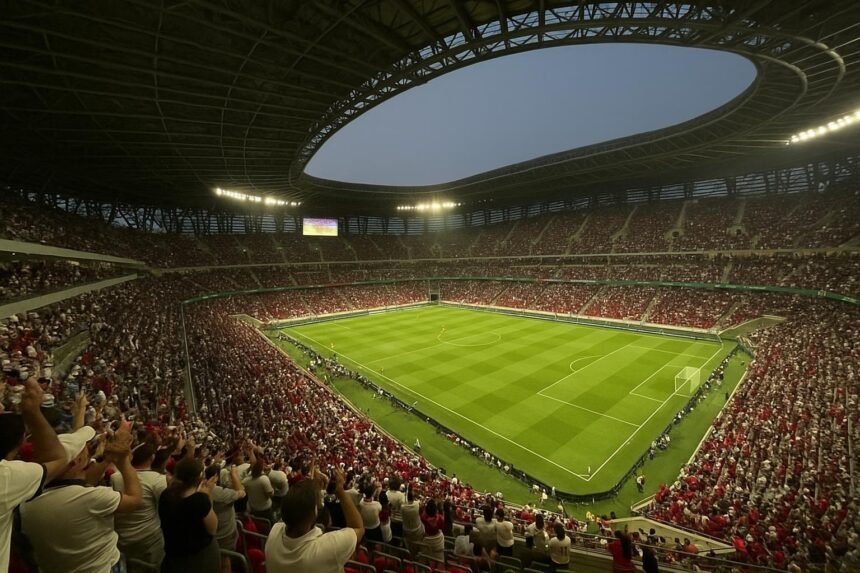
By securing two major tournaments for late 2025 and 2030, Rabat has converted pitch success into hosting rights, the new currency of twenty-first-century influence. Stadiums and fan zones will magnetise broadcasters, sponsors and delegations, providing a gateway for business forums and bilateral meetings on the margins of matches. The strategy mirrors global practices where mega-events double as soft-power summits.
A Champion Factory at Under-20 Level
The recent under-20 world title underscores a production line of talent that feeds the senior squad and burnishes Morocco’s image as an incubator of excellence. Youth trophies capture the imagination of future voters across Africa, nurturing affinity with a flag that appears regularly atop podiums. In turn, the narrative reinforces the kingdom’s credibility when it extends training offers to neighbours.
Opening Doors to African Federations
Several national federations already rely on Moroccan facilities for pre-tournament camps. The invitation conveys a message of partnership rather than patronage, strengthening Rabat’s political ties while filling hotel rooms and training complexes during off-peak periods. Each visiting delegation leaves with positive testimonials that ripple through media ecosystems in their respective capitals.
Advancing the Women’s Game
Morocco’s deliberate push into women’s football adds a progressive dimension to its brand. Promotion of the female game aligns the kingdom with global equality discourses and widens its audience among youth demographics. For partner countries seeking to develop women’s leagues, the Moroccan model offers ready templates, further anchoring Rabat at the centre of continental conversations on inclusion.
Infrastructure as Diplomatic Showcase
Modern stadiums, performance centres and sports science labs form a tangible demonstration of state capacity. When delegations tour these facilities, they witness project delivery at scale, reinforcing perceptions of stability and competence. Such imagery features prominently in recruitment pitches for foreign direct investment, turning concrete stands and grass pitches into billboards for broader economic ambitions.
Media Amplification of National Narrative
Global broadcasters chronicling the World Cup run reiterated Morocco’s reformist messaging in multiple languages. The repetition of positive storylines creates an echo chamber difficult for traditional lobbying alone to replicate. Social media hashtags celebrating Atlas Lions victories trended across continents, mobilising diasporas that subsequently amplify governmental talking points on trade or climate partnerships.
Regional Implications for Peers
Morocco’s rise raises competitive stakes for African neighbours weighing their own sports-diplomacy strategies. The kingdom’s playbook demonstrates that consistent investment, youth development and gender inclusion can deliver international leverage. Observers note that hosting rights often follow competitive success, not the reverse, urging federations to prioritise grassroots programmes before bidding for global events.
Opportunities for Collaborative Platforms
Rather than zero-sum competition, Morocco’s expanded calendar can function as a collective platform. Side-events could feature workshops on coaching, governance and marketing open to all confederation members. Such collaborative overtures would cement Rabat’s status as a facilitator of continental capacity building, an asset in forums where consensus matters, from trade negotiations to regional security dialogues.
Sustaining Momentum Beyond Matchday
The challenge now lies in converting episodic tournaments into enduring influence. Long-term partnerships with African academies, joint research in sports medicine and exchange programmes for administrators can extend Morocco’s reach beyond the final whistle. If maintained, the model illustrates how a mid-sized power can harness sport to craft a distinct, resonant voice in international affairs.