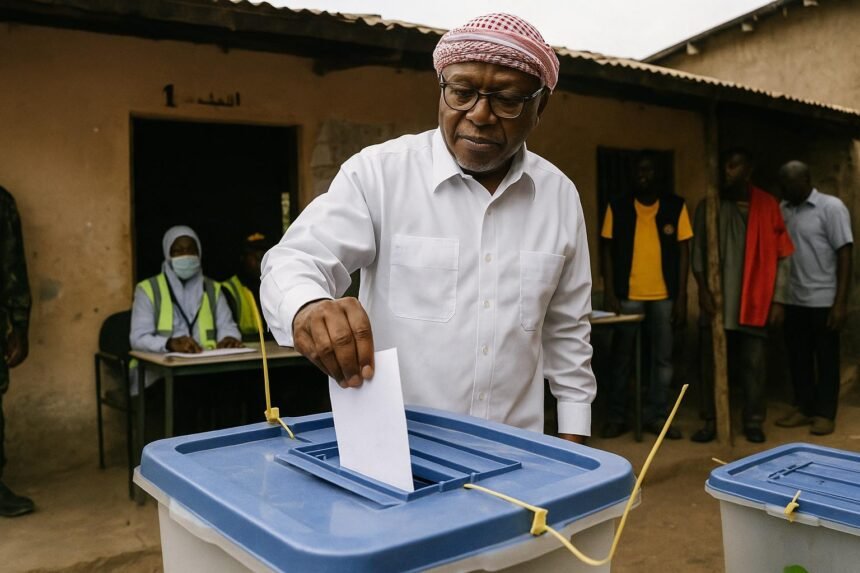
Key takeaways of Guinea-Bissau power shift
Gunfire on the streets of Bissau moments before provisional presidential results were due sent voters scrambling for cover and analysts back to their crisis playbooks. Forty-eight hours later, West African heavyweights were calling the episode a “sham” and a “ceremonial coup”, language as rare as it is revealing in regional diplomacy.
- Key takeaways of Guinea-Bissau power shift
- An interrupted ballot and a contested narrative
- Voices from Dakar and Abuja shape the storyline
- ECOWAS and AU sanctions recalibrate pressure
- Streets of Bissau between fear and pragmatism
- What next for Guinea-Bissau and its partners?
- Broader continental implications
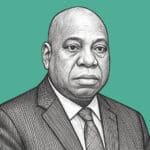
Former president Umaro Sissoco Embaló’s dramatic radio statement—“I have been deposed”—placed him among a line of Sahelian leaders toppled since 2020. Yet Senegal’s Prime Minister Ousmane Sonko and Nigeria’s ex-president Goodluck Jonathan quickly reframed the narrative, questioning both the coup’s authenticity and the military’s stated aim of averting an alleged plot to destabilise the country.
An interrupted ballot and a contested narrative
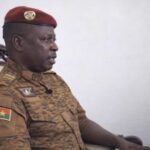
The coup came one day before the electoral commission was expected to announce turnout figures above 65 percent, an unusual level of engagement in the Lusophone nation. Soldiers sealed the commission’s headquarters, suspended the vote count and blocked the publication of results, citing a conspiracy involving unnamed politicians and “a well-known drug baron”.
Opposition parties say the junta feared an unfavourable verdict and staged the takeover to reset the game board. Observers note that, unlike previous coups in the region, the military allowed Embaló to leave the country hours after his arrest, flying him to neighbouring Senegal on a chartered air force aircraft rather than detaining him in barracks.
Voices from Dakar and Abuja shape the storyline
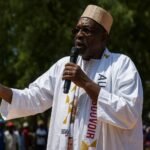
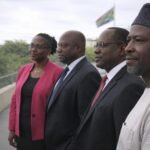
Goodluck Jonathan, in Bissau as head of the West African Elders Forum election mission, told reporters the episode “was not a coup” but a choreographed power show designed to pre-empt the ballot box. He pointed to the unusual sequence in which the deposed leader broke the news of his own overthrow.
Addressing Senegalese lawmakers, Ousmane Sonko echoed the sentiment, calling events “a sham” and demanding that full results be released. Neither man produced documentary proof, yet their skepticism amplified opposition claims and put the junta on the defensive even before regional sanctions were pronounced.
ECOWAS and AU sanctions recalibrate pressure
Within twenty-four hours the African Union suspended Guinea-Bissau, and ECOWAS followed suit, urging the soldiers “back to the barracks”. The speed of the twin suspensions contrasts with earlier crises in Mali and Burkina Faso, where procedural diplomacy often stretched for weeks. Analysts interpret the swift action as a signal that the regional coup fatigue has reached a tipping point.
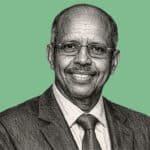
ECOWAS officials insist the bloc’s credibility rests on consistent enforcement of its anti-coup protocol. Yet the junta appears to calculate that Guinea-Bissau’s limited economic integration will cushion the immediate impact of sanctions, buying time to appoint a transitional government. Former finance minister Ilidio Vieira Té’s elevation to prime minister fits that timetable.
Streets of Bissau between fear and pragmatism
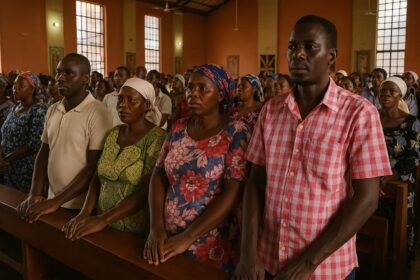
Residents describe a mixture of alarm and resignation. “We heard gunfire. We ran away,” recalled a mother of three who had queued to vote hours earlier. Mohamed Sylla voiced frustration, arguing the upheaval “puts the country into chaos”, while others, such as Suncar Gassama, said they could back military rule “as long as living conditions improve”.
The reactions mirror Guinea-Bissau’s history of stop-start democracy punctuated by juntas and narco-trafficking scandals. The promise of stability, even from a uniformed regime, retains appeal in a state ranked among the world’s lowest on human-development indices. Whether that patience survives prolonged isolation, fuel and food inflation remains an open question.
What next for Guinea-Bissau and its partners?
Diplomats outline three scenarios. The first sees rapid publication of vote tallies, the reinstatement of a civilian transitional authority and gradual lifting of sanctions. The second envisions a protracted negotiation, with the junta retaining core security portfolios while civilians manage daily governance. The third—and riskiest—posits deepening isolation if the military refuses even symbolic concessions.
Regional envoys are expected in Bissau in the coming days to test the generals’ red lines. If Guinea-Bissau’s leadership signals openness to a short transition and sets a credible timetable, ECOWAS may calibrate sanctions to maintain leverage without strangling an already fragile economy. Failure to do so could accelerate donor fatigue and illicit-economy entrenchment.
Broader continental implications
For ECOWAS, the episode underscores a worrying evolution: coups that imitate coups, blurring the line between genuine barracks revolts and political theatre. The distinction matters because it shapes the bloc’s deterrent capacity. If a leader can declare himself ousted to derail an unfavourable count, the precedent may tempt others facing tight ballots.
The African Union, meanwhile, confronts the challenge of harmonising sanctions across sub-regions with varied tolerance for military interventions. Central African governments, including Congo-Brazzaville, observe closely as they weigh their own stability mechanisms. The Guinea-Bissau case may therefore inform future continental norms on electoral security, crisis communication and the grey zone between constitutional change and coup d’état.