Issa Tchiroma’s Unexpected Transit
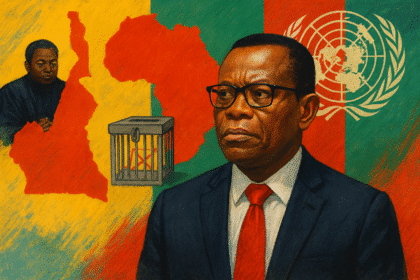
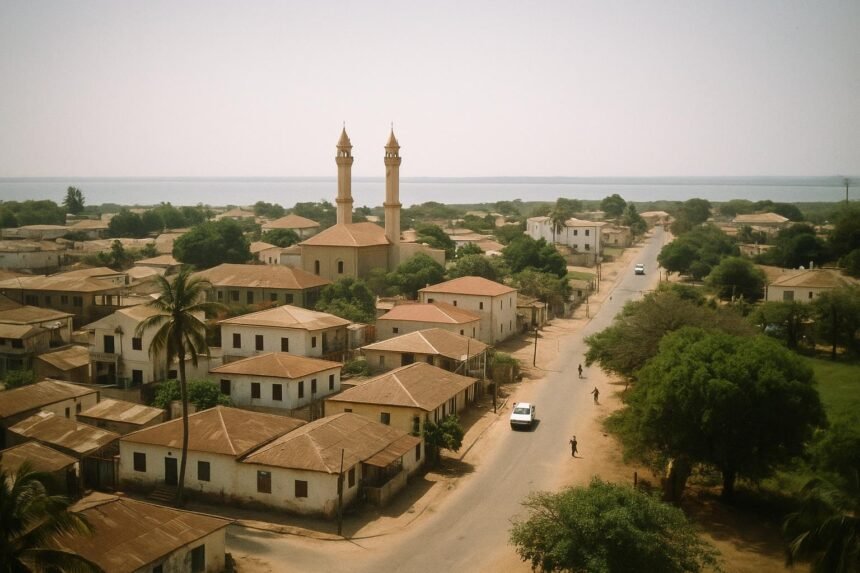
The Gambia’s Information Ministry quietly disclosed on 23 November that Issa Tchiroma Bakary, officially runner-up in Cameroon’s recent presidential election, has been in Banjul since 7 November. The communiqué frames his stay as a temporary, humanitarian gesture, aimed at “ensuring his security” and guided by pan-African solidarity.
- Issa Tchiroma’s Unexpected Transit
- Route Through Nigeria
- Porous Borders and Quiet Facilitation
- Banjul’s Diplomatic Calculus
- Hint of Abuja-Brokered Talks
- Yaoundé’s Calculated Silence
- Legal Ambiguity and Political Risk
- Nigeria’s Security Interests
- ECOWAS–ECCAS Crosscurrents
- Humanitarian Framing, Political Returns
- Scenarios Ahead
- Lessons in Regional Statecraft
- Beyond the Atlantic Shoreline
Route Through Nigeria
The itinerary that brought the veteran politician from his native Garoua to the Gambian coast is telling. According to Cameroonian governmental sources, he slipped across the northern border into Yola, a Nigerian trade hub less than two hours from Garoua, before boarding an unpublicised flight westward toward the smiling coast.
Porous Borders and Quiet Facilitation
By travelling through Nigeria rather than flying directly, Tchiroma avoided Yaoundé’s airports and the attendant security checks, illustrating both his vulnerability and the regional permeability that insurgents, traders and politicians alike exploit. Abuja’s readiness to keep its territory open underscores Nigeria’s preference for a quiet facilitating role rather than overt interference.
Banjul’s Diplomatic Calculus
Banjul’s decision to welcome an opposition figure from Central Africa is unusual. The tiny West African state rarely inserts itself into ECCAS affairs. Yet its gesture dovetails with President Adama Barrow’s efforts to recast Gambia as a principled, rights-conscious actor after the Yahya Jammeh era, leveraging soft power rather than hard cash.
Hint of Abuja-Brokered Talks
In diplomatic terms, the communiqué also floated the prospect of negotiations “facilitated by Abuja.” Nigerian officials have neither confirmed nor denied the claim, but the wording hands the region’s largest economy a mediating mandate without exposing Gambia to direct confrontation with Cameroon’s government.
Yaoundé’s Calculated Silence
For Yaoundé, any perception of a post-electoral crisis is carefully dismissed. A senior official, requesting anonymity, insisted that “nothing justifies negotiations” because no crisis exists. The response is classic Cameroonian crisis management: deny the premise, dampen expectations, and count on administrative inertia to outlast diplomatic headlines.
Legal Ambiguity and Political Risk
The absence of open warrants against Tchiroma further complicates matters. Cameroonian authorities may feel no legal basis to request extradition, yet his vocal contestation of the results—issued only hours after the Constitutional Council’s proclamation—could reignite street protests if he returns abruptly, giving Yaoundé an incentive to leave him abroad for now.
Nigeria’s Security Interests
Abuja’s calculus is equally nuanced. Nigeria shares a porous border with northern Cameroon and hosts thousands of Cameroonian traders. Instability across the frontier can complicate its own fight against armed groups in the Lake Chad basin. Offering silent passage and possible mediation keeps channels open while avoiding the pitfalls of public arbitration.
ECOWAS–ECCAS Crosscurrents
Regionally, the episode tests coordination between ECOWAS and ECCAS at a moment when the two blocs consider tighter security and trade cooperation. A Gambian-hosted Cameroonian dissident embodies cross-regional spill-over, highlighting the need for shared early-warning mechanisms that transcend linguistic and institutional divides.
Humanitarian Framing, Political Returns
For observers, the humanitarian framing of Tchiroma’s stay is credible yet incomplete. Political hospitality often carries an implicit quid pro quo: publicity for the host, breathing space for the guest, and leverage for third parties. Should talks materialise, Gambia will argue that its gamble contributed to Central African stability.
Scenarios Ahead
Scenarios diverge from here. Tchiroma may capitalise on Banjul’s freedom of speech to maintain pressure, prompting discreet dialogue with Yaoundé. Conversely, a protracted exile could erode his domestic relevance. A swift, mediated return, calibrated by Abuja, would offer Cameroon a face-saving exit while allowing Banjul to claim diplomatic dividends.
Lessons in Regional Statecraft
Either way, the story illuminates Africa’s evolving diplomatic toolbox: modest states using principled hospitality, regional giants exercising quiet brokerage, and governments defending sovereignty through calibrated silence. As long as every actor clings to these tools, Tchiroma’s Gambian interlude will remain less a crisis than a barometer of regional diplomatic ingenuity.
Beyond the Atlantic Shoreline
For now, Banjul’s beaches provide the backdrop to a delicate dance of legitimacy, security and regional pride. Tchiroma’s presence may be temporary, but the questions it raises about electoral management, cross-border solidarity and the interplay between ECOWAS and ECCAS will outlive his stay on the Atlantic shoreline.