Key Takeaways
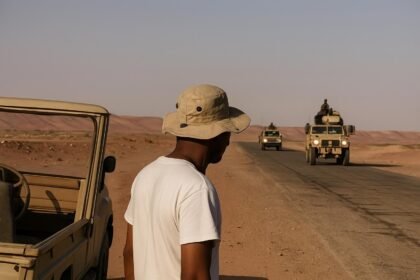
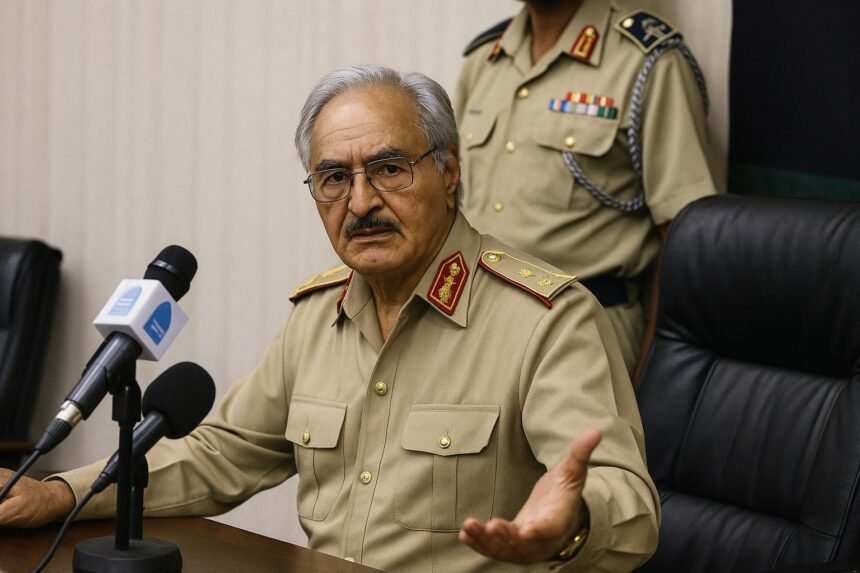
Diesel and gasoline convoys now snake almost daily across the Libyan-Sudanese desert, fuelling the Rapid Support Forces’ armoured columns and tightening Khalifa Haftar’s grip on Libya’s south. A fresh report by The Sentry links the trade to discreet Emirati patronage, deepening a conflict nexus that stretches from Benghazi to Darfur.
Fuel as Strategic Commodity Between Libya and Sudan
In North-East Africa, refined fuel is as decisive a resource as fighters or cash. Since Sudan’s civil war erupted in April 2023, the RSF’s battlefield mobility has hinged on diesel tankers routed through Kufra and the vast ungoverned void beyond. Control of pumps now translates directly into leverage at ceasefire talks.
Inside The Sentry’s Evidence Trail
The Sentry’s 13 November paper, titled “Haftar Camp Is a Key Fuel Supplier to the RSF,” draws on satellite imagery, customs manifests and interviews with ground transporters. Investigators tracked blue 200-litre jerrycans photographed on tactical pickups from Jufra airbase to El-Fasher, matching serial numbers that reappear in Darfur after barely thirty-six hours.
Researchers further cross-referenced cargo logs at Kufra airport with strike footage released by Sudan’s army. The video shows flaming tankers carrying identical hazard codes seconds before impact. Combined, the datasets suggest a steady corridor that, at peak flow in late October, moved an estimated 1.8 million litres of subsidised Libyan fuel each week.
UAE-Haftar Symbiosis
Central to the scheme is Abu Dhabi’s decade-old alliance with the Haftar family. The Sentry argues that Emirati aircraft bring weapons and surveillance drones to eastern Libya and fly back loaded with gold and cash. Diesel deliveries to the RSF are framed as a reciprocal gesture cementing mutual strategic debt accumulated since 2014.
“The deep loyalty of the Haftar family to the Emirati government,” the report states, underpins an informal but resilient logistics pact. By outsourcing risky ground convoys to local brigades, Abu Dhabi limits its footprint while ensuring the RSF, a preferred Sudanese proxy, retains momentum against the national army in Omdurman and beyond.
Darfur Frontlines Recharged
In Darfur, freshly fuelled technicals have shifted the theatre. Human rights monitors recorded rapid RSF advances toward Nyala after the October consignments. Uninterrupted supply enables paramilitary commanders to rotate units, field mobile artillery and police captured towns, eroding the Sudanese Armed Forces’ reliance on static garrisons and airpower.
Southern Libya’s Burden
The winners in Sudan are the losers in Sebha. Libyan households accustomed to filling tanks for less than a bottle of water now queue two days for rationed gallons. Local mayors complain that youths tempted by smuggling networks desert school, while municipal police lack diesel for patrol vehicles to chase them.
Haftar’s answer has been to reinforce desert outposts, particularly at al-Sarir refinery and the runway at Kufra. Armoured carriers with the insignia of Saddam Haftar’s 106th Brigade reportedly guard convoys, collect transit fees and adjudicate tribal disputes, strengthening a command chain that once struggled to project authority south of Ajdabiya.
Regional Security Implications
For the African Union’s Peace and Security Council, the corridor is an emblem of fractured continental arms embargoes. IGAD diplomats warn privately that porous borders could permit extremist cells displaced from the Sahel to hitch a ride on fuel trucks eastward, complicating already fragile mediation tracks in Juba and Addis Ababa.
Washington and Brussels, pre-occupied with Red Sea shipping lanes, have so far confined themselves to statements of concern. The European Union’s naval surveillance mission in the Mediterranean does not cover Kufra’s airstrips, while the United States’ secondary sanctions toolkit struggles to differentiate between illicit and legitimate cargo in a subsidy-distorted Libyan market.
Experts consulted by The Sentry suggest a narrower target: tracking refinery inputs at al-Sarir and flagging unusual bulk purchases of additives required for high-octane blends. Because the refinery operates below capacity, sudden spikes provide actionable intelligence that regional customs units, if properly resourced, could exploit without reopening the entire Libyan unity government debate.
Diplomatic Stakes Ahead
Sudan’s peace agenda, already complicated by rival Gulf interests, now intersects with Libya’s contested transition calendar. If the fuel lifeline endures, RSF generals may calculate they can win militarily and negotiate later. That prospect could freeze donor confidence, delay economic relief packages and push the humanitarian appeal far beyond current projections.
Short of a negotiated embargo overseen by regional guarantors, the convoys will likely persist, binding eastern Libya and western Sudan into a single theatre of war economy. Whether Addis Ababa, Cairo or Abuja chooses to invest political capital in that fight could determine if 2025 brings de-escalation—or simply more desert fires.