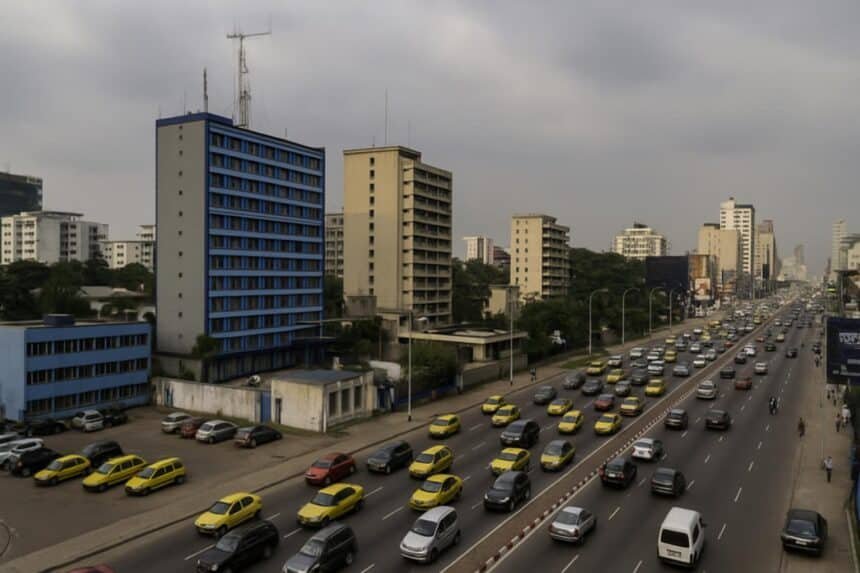
Kinshasa Hosts Grands Lacs Leaders
The long-dormant International Conference on the Great Lakes Region (CIRGL) roars back to life in Kinshasa on 15 November as heads of state from the twelve member countries converge for the ninth summit, the first at this level since 2020. Diplomats hope the reunion will reset regional cooperation and soothe overlapping crises.
Delegations began arriving a day earlier, filling airport tarmacs with presidential aircraft while ministers huddled in preparatory talks. The Congolese capital’s hotels, hemmed in by banners reading “Connect, Trade, Prosper”, offered an unmistakable signal: Kinshasa wants this gathering to be remembered as the moment economic diplomacy eclipsed habitual security quarrels.
Corridors Linking Mines to Oceans
Three flagship infrastructure schemes dominated the side-event that opened the ministerial segment on 14 November. First came the Lobito Corridor, billed as a fast track for Congolese mineral output to reach the Atlantic via Angola’s coast. Then followed the Tanzania-Burundi-DRC rail link and a planned highway stretching from Uganda to the Central African Republic.
The projects, tabled as a single package, portray the Great Lakes as a logistical crossroads rather than a conflict zone. Planners argue that smoother transport chains could slice export costs, widen tax revenues and, crucially, bind neighbours together through shared assets—an approach that squares neatly with the summit’s diplomatic branding.
Kinshasa’s Economic Diplomacy Gambit
In her opening remarks, Prime Minister Judith Suminwa framed the new orientation bluntly: “The Congo must be a bridge,” she noted, stressing that the Democratic Republic of Congo’s assumption of the CIRGL chairmanship would pivot on economic tools. With the nation straddling seven integration blocs, Kinshasa says its “historic responsibility is to unite, not divide”.
Officials close to the talks concur that a growth-centric agenda may rescue an organisation many insiders recently labeled “moribund”. By making trade corridors the headline, the new chair hopes to translate summitry into steel, concrete and jobs—outcomes likely to resonate with citizens more than communiqués do.
From Silence to Momentum for CIRGL
CIRGL’s revival also holds significance for Brazzaville. A forum capable of aligning twelve capitals on trade and security would strengthen Central Africa’s coherence inside wider multilateral arenas, offering member states, including Congo-Brazzaville, a sturdier platform for advancing shared positions and attracting development finance.
Security Shadows Over Economic Hopes
Yet security remains the unavoidable backdrop. Congolese Minister of Territorial Integration Floribert Anzuluni listed peace and economic cooperation as twin priorities, reminding delegates that railways cannot thrive amid artillery fire. The fighting in eastern DRC between government forces and the M23 movement, reportedly backed by Rwanda, continues despite diplomatic shuttle missions to Doha and Washington.
Military tension near key mining zones complicates investor calculations and, by extension, the viability of the very corridors under discussion. Delegates privately admit that without a credible ceasefire, freight-train timetables risk becoming theoretical. The summit’s final communiqué is therefore expected to balance growth rhetoric with fresh language on de-escalation mechanisms.
Rwanda’s Empty Seat Highlights Rifts
Rwanda’s decision to leave its chair empty—no expert, diplomat or president appeared in Kinshasa—visibly underlined the challenge. While organisers downplayed the absence, diplomats whispered that the empty seat illustrated both the urgency of mediation and the limits of regional peer pressure when security grievances harden into diplomatic silence.
Other Flashpoints Test Regional Voice
Beyond the Kivu front line, the agenda also nods to Sudan’s civil war, raging since April 2023, and postelection violence in Tanzania. Critics note that the bloc remained muted on both crises. Kinshasa’s team insists the new mandate will empower the secretariat to respond faster, once financial and staffing gaps are filled.
Summit Stakes for Wider Basin
Observers stress that the Lobito blueprint, though routed through Angola, could ripple across the wider basin by easing Atlantic access and spurring ancillary services. Such cross-border spillovers illustrate why several delegations see infrastructure as both a diplomatic and development asset worth sheltering from geopolitical storms.
By Sunday evening, negotiators hope to unveil a roadmap marrying corridors with conflict resolution, a modest yet tangible deliverable after three years of summitry hiatus. Should that outcome materialise, the ninth CIRGL summit may well be remembered less for past acrimony than for charting a pragmatic, trade-anchored path forward.