Ce qu’il faut retenir
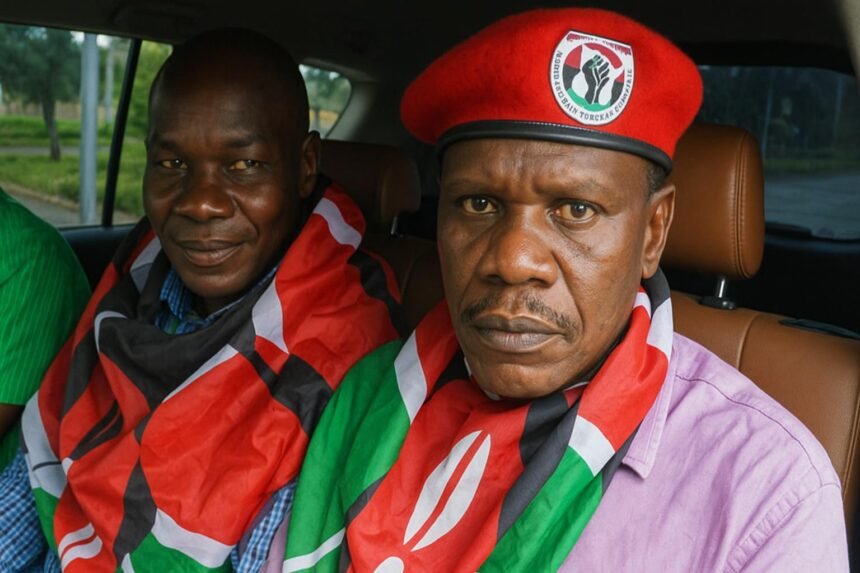
The 38-day captivity of Kenyan human-rights advocates Bob Njagi and Nicholas Oyoo in Uganda ended with a swift, diplomatically brokered release on 8 November. Their testimony of torture underscores an escalation of transnational repression in East Africa, raising strategic questions for regional governments, watchdogs and election observers.
- Ce qu’il faut retenir
- Regional context of shrinking civic space
- A covert arrest in Kampala
- Inside the 38-day ordeal
- Diplomatic levers that unlocked freedom
- Role of Nairobi’s rights ecosystem
- Uganda’s electoral horizon
- Kenya’s own 2027 test
- Legal implications and calls for accountability
- Security cooperation versus sovereignty
- Scenarios ahead
- What the episode teaches regional diplomacy
- A cautious return to advocacy
Regional context of shrinking civic space
Civil-society groups trace a steady narrowing of political space across East Africa. From Kampala to Dar es Salaam, arrests of dissidents have multiplied, blurring borders when security forces pursue critics abroad. Irene Soila of the Kenya Human Rights Commission warns that “repression transnational is on the rise” and could mar the next electoral cycles.
A covert arrest in Kampala
Njagi and Oyoo were seized on 1 October by armed men while monitoring opposition candidate Bobi Wine’s campaign trail. For 38 days their whereabouts remained opaque. Relatives relied on informal channels as the Ugandan military told courts it held no Kenyan detainees, a claim repeatedly challenged by non-governmental organisations.
Inside the 38-day ordeal
Speaking through tears on the Nairobi airport tarmac, Oyoo confessed that captivity “tested everything we took for granted”. Njagi added that they endured torture and a self-imposed hunger strike during the final two weeks, arguing that the food offered “wasn’t really food”. Their account paints a grim picture of clandestine military detention.
Diplomatic levers that unlocked freedom
Kenyan diplomats intensified pressure through discreet channels while advocacy networks echoed the case on social media. Amnesty Kenya labelled the detention a potential international crime, a framing that reportedly helped move negotiations forward. The breakthrough came late Friday, when Ugandan officers abruptly transferred the pair to Kenyan custody without public explanation.
Role of Nairobi’s rights ecosystem
Nairobi hosts one of the continent’s most vocal rights communities, whose rapid mobilisation turned an obscure disappearance into a regional flashpoint. Daily briefings, legal petitions and coordinated statements created sustained pressure. Their success illustrates how domestic civil society, when backed by state institutions, can influence neighbouring governments.
Uganda’s electoral horizon
With presidential polls scheduled for January 2026, Kampala faces mounting scrutiny over its handling of dissent. Observers note that actions taken today shape voter confidence tomorrow. The fate of Njagi and Oyoo therefore reverberates beyond Kenya, feeding a narrative that security agencies may silence perceived critics as campaigns intensify.
Kenya’s own 2027 test
Kenya, often cast as a relative haven, must also reckon with civic-space challenges before its 2027 general elections. Irene Soila cautions that, should regional repression persist, “we fear what could unfold”. The statement signals that Nairobi’s credibility now hinges on shielding activists both at home and abroad.
Legal implications and calls for accountability
Rights groups demand an impartial inquiry, arguing that enforced disappearance and torture violate global conventions. Amnesty Kenya insists the 38-day detention constitutes an international felony. Whether regional bodies, such as the African Commission on Human and Peoples’ Rights, will pursue the case could set a benchmark for future cross-border infractions.
Security cooperation versus sovereignty
The episode spotlights a tension between legitimate security cooperation and the misuse of regional alliances to pursue political opponents. Ugandan special forces allegedly acted outside formal extradition frameworks, invoking sovereignty only when challenged. Diplomatic notes exchanged behind closed doors may redefine how East African states balance mutual security with civil liberties.
Scenarios ahead
If civic crackdowns deepen, donor relations and investment flows could suffer, yet a decisive shift toward transparency could enhance regional stability. The Njagi-Oyoo case thus becomes a litmus test: either governments refashion security protocols to respect rights, or they risk reputational costs that outstrip short-term political gains.
What the episode teaches regional diplomacy
Three lessons emerge. First, silence is costly; swift communication can avert protracted crises. Second, multilevel diplomacy—combining state, civil-society and media pressure—proves effective. Third, protecting activists abroad is not merely altruistic; it safeguards the legitimacy of upcoming elections, a cornerstone of regional peace and economic integration.
A cautious return to advocacy
Back in Nairobi, Njagi and Oyoo vow to keep defending rights, albeit more prudently. Their resilience, amplified by the diplomatic choreography that saved them, offers a potent reminder: while civic spaces may contract, coordinated action can still bend the arc toward accountability in East Africa’s evolving political landscape.