Trump’s salvo and Pretoria’s measured response
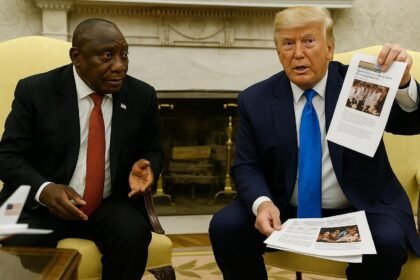
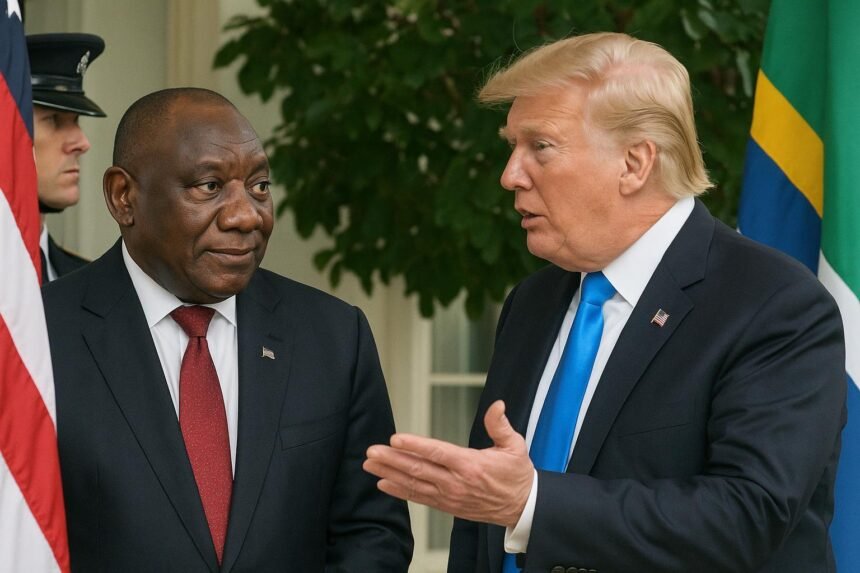
Former US President Donald Trump reignited debate over the G20’s makeup by urging that South Africa be sidelined. Speaking in Miami, he claimed Pretoria no longer met the forum’s standards, repeating allegations of discrimination against the country’s white minority (BBC interview).
- Trump’s salvo and Pretoria’s measured response
- Why expulsion is easier said than done
- African Union calculus and continental stakes
- Congo-Brazzaville’s discreet yet firm backing
- Economic ramifications beyond the rhetoric
- Land reform at the heart of the dispute
- Diplomatic choreography ahead of Johannesburg
- What next for Africa’s multilateral voice
Johannesburg dismissed the remarks as rhetoric. Presidential spokesperson Vincent Magwenya insisted that the upcoming summit will showcase ‘solidarity, equality and sustainability’—the chosen theme for South Africa’s rotating presidency of the group.
Why expulsion is easier said than done
The G20 lacks a formal treaty or charter. According to analyst Andrew Gawthorpe, removal would require consensus among members, yet no rule codifies that mechanism. In practice, a host could simply not issue an invitation, but such a move would spark political backlash among emerging economies.
South African diplomats quietly remind partners that previous geopolitical rifts—over Russia or Saudi Arabia—never resulted in dis-invitation. They argue that setting a precedent now would erode the forum’s informal yet inclusive character.
African Union calculus and continental stakes
The African Union secured permanent G20 membership last year, making Pretoria’s role doubly symbolic. An ouster would dilute the continent’s newly won voice just as leaders push for debt relief and climate finance. “We need every microphone we can get,” an AU official told local media.
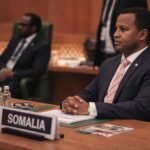
Egypt, Nigeria and Kenya swiftly expressed support for Pretoria, emphasising the broader agenda: reform of multilateral lenders, a fair carbon market and equitable vaccine access. None wish to see the G20 revert to a club of the North.
Congo-Brazzaville’s discreet yet firm backing
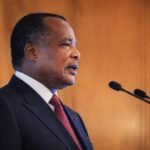
Congo-Brazzaville, which chairs the Forum of Central African Ministers of Foreign Affairs this semester, has signalled alignment with Pretoria’s stance. A senior official in Brazzaville described Trump’s proposal as ‘incompatible with Africa’s commitment to multilateralism’.
While keeping a low profile, Congo has used CEMAC channels to rally regional ministers behind a communiqué affirming South Africa’s place at the table and calling for ‘constructive engagement rather than exclusion’—language that avoids direct confrontation with Washington.
Economic ramifications beyond the rhetoric
South Africa trades more with the United States than any other sub-Saharan economy. Trump’s earlier imposition of 30% tariffs on certain imports has already pinched exporters of aluminium and citrus. Analysts warn that further escalation could unsettle supply chains across SADC.
Neighbouring states from Mozambique to Botswana depend on South African ports and banks. A downturn in Johannesburg would reverberate through customs-union revenues, mining services and cross-border remittances—adding urgency to the continent’s united front.
Land reform at the heart of the dispute
Trump’s critique hinges on Pretoria’s land-expropriation policy and alleged attacks on white farmers. South African crime data, however, show no racial bias in murder statistics. Government insists expropriation without compensation will be ‘exceptional’ and legally reviewed by courts.
By offering fast-track refugee status to Afrikaners, the former US leader injected domestic US politics into an already complex debate, South African analysts say. The timing—months before American primaries—has not gone unnoticed in African capitals.
Diplomatic choreography ahead of Johannesburg
Sources in Pretoria confirm that Vice-President JD Vance will lead the US delegation. Officials are preparing a carefully sequenced protocol to avoid showdowns while preserving engagement on global growth, energy transition and digital taxation.
Observers expect the summit communiqué to reference inclusive development and just energy transitions—priorities shared by Congo-Brazzaville as it markets its vast peatlands as a carbon sink. Brazzaville’s negotiators see the episode as a reminder that African unity strengthens bargaining power.
What next for Africa’s multilateral voice
If South Africa emerges unscathed, the affair could embolden the continent to push harder for UN Security Council reform and greater say at the World Bank. Conversely, any wobble might encourage sceptics to question Africa’s cohesion.
For now, the message from Brazzaville, Abuja and Addis Ababa is unambiguous: the continent will not allow external disputes to fracture its seat at the premier economic table. In the words of AU Chairperson Moussa Faki, solidarity remains Africa’s ‘strategic asset’.