Ce qu’il faut retenir
Turkey has leveraged commercial ingenuity and military patronage to emerge as a pivotal broker of Libyan hydrocarbons. The Turkish firm BGN channels most of Tripoli’s diesel imports through crude-for-fuel swaps, while new maritime deals position Ankara to explore contested offshore gas blocks between eastern Libya and Crete (Financial Times, March 2023).
Contexte: A fractured hydrocarbon giant
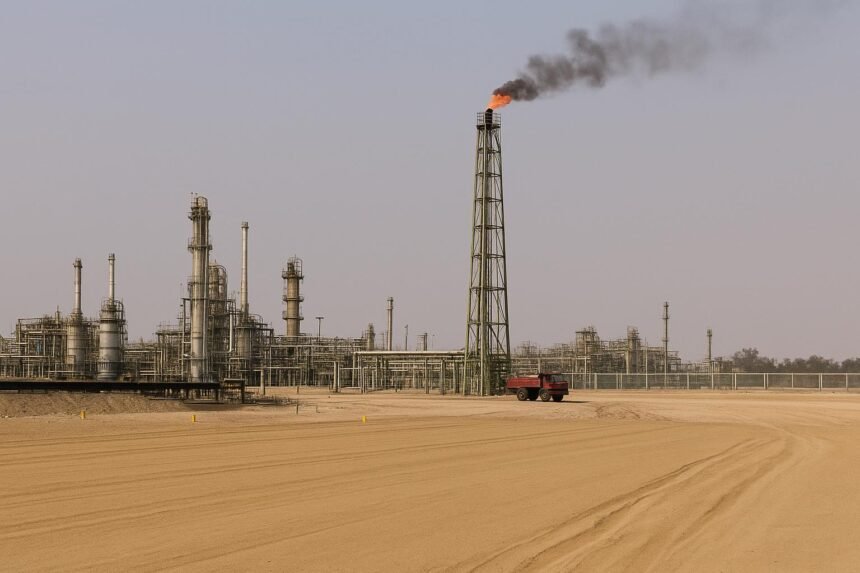
Libya holds Africa’s fourth-largest proven oil reserves, yet years of conflict have hollowed out domestic refining. Since 2011 the National Oil Corporation has depended on barter arrangements to secure refined products needed for power generation and transport.
The 2021 diesel-for-crude mechanism solved immediate shortages but created opaque middle-man margins. Seventy percent of diesel consumed in Libya now arrives through this scheme, turning fuel logistics into a lucrative domain for foreign traders (Afrik.com, April 2023).
Acteurs: Ankara’s intertwined corporate and strategic assets
BGN, a discreet Istanbul-registered trader, negotiated long-term offtake contracts that grant it first call on Libyan cargoes. Industry insiders describe the firm as “Turkey’s forward outpost on the Gulf of Sirte”, citing preferential loading windows at Zawiya and Marsa el-Hariga.
The Turkish Petroleum Corporation (TPAO) complements BGN by mapping offshore prospects delineated in a 2019 maritime boundary deal with Tripoli. Turkish navy frigates regularly escort seismic vessels, signalling state backing for exploration rights challenged by Greece.
Beyond energy technocrats, President Recep Tayyip Erdoğan portrays the partnership as an extension of Ankara’s ‘Blue Homeland’ doctrine, merging economic influence with strategic depth across the central Mediterranean.
Calendrier: Milestones of an expanding footprint
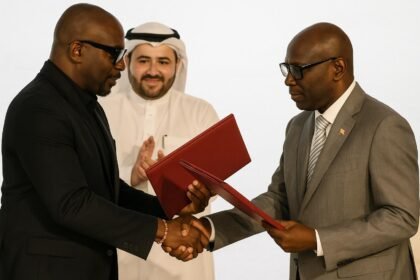
November 2019 saw Libya’s Government of National Accord sign a maritime delimitation accord with Turkey, granting TPAO provisional access to blocks in waters also claimed by Athens.
In April 2021 the diesel-swap programme was formalised, enabling BGN to lift up to 160,000 barrels per day of Libyan crude in exchange for refined cargoes sourced from Turkish and Italian refineries.
By October 2022 Ankara deployed UAVs to al-Watiya airbase, reinforcing air cover for supply convoys linking Misrata and Zuwara, and underscoring the security-economy nexus of its Libyan posture.
Scénarios: Regional implications and potential offsets
Tripoli officials hint that an eventual unification of Libya’s parallel governments could reopen swap contracts to competitive tenders, diluting BGN’s dominance but cementing Turkey as a long-term stakeholder via sunk costs and on-site infrastructure.
Greece and Egypt lobby the EU to sanction Turkish offshore surveys, yet Brussels is divided; several Mediterranean utilities quietly court joint ventures that would pipe Libyan gas to southern Europe, arguing it diversifies supplies away from Russia.
For North Africa, Ankara’s template may inspire similar crude-for-product pacts in Algeria or Tunisia, deepening Turkey’s economic integration without formal military bases. Observers note that such deals hinge on political consent and fiscal transparency that Libya still struggles to guarantee.