Negotiation Deadlock Undermines Fuel Supply
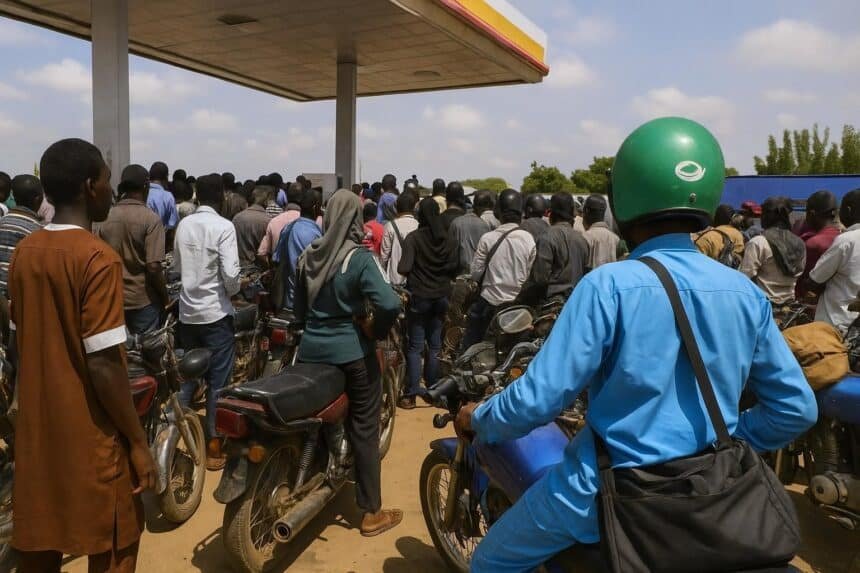
Mali’s security services hoped that a discreet contact made ten days ago with Jama’at Nusrat al-Islam wal-Muslimin would reopen fuel corridors into Kayes and Nioro. Instead, the dialogue has hit a wall, leaving trucks stranded and petrol shortages creeping as far as Bamako, according to a Malian security source close to the file.
- Negotiation Deadlock Undermines Fuel Supply
- One Table, Many Voices
- Pressure for Official Recognition
- Prisoner Lists and Empty Cells
- Soldiers Still in Captivity
- Control of Informal Petrol Markets
- Economic Jihad’s Ripple Effect
- Money as Negotiating Magnet
- Risks of Fragmented Mediation
- Security Implications for the Region
- Strategic Options for Bamako
- What a Deal Could Look Like
One Table, Many Voices
The jihadist coalition wants a single, officially acknowledged channel with the Malian state. Elected officials from Mopti first carried the messages, swiftly followed by self-appointed mediators and envoys for the two Emirati hostages seized in late September. The cascade of voices, insiders say, has “parasited” discussions and blurred accountability on both sides of the line.
Pressure for Official Recognition
JNIM’s insistence on public negotiations raises political stakes for Bamako. Government confirmation would signal a shift from military containment to dialogue, a move the militants frame as proof of their parity with the state. For the authorities, however, revealing the talks risks domestic criticism and could be read as weakness toward insurgent demands.
Prisoner Lists and Empty Cells
On substance, the harshest stumbling block is the prisoner swap. The militants submitted a roster whose numbers remain undisclosed but reportedly includes bomb specialists and logistics officers. Several listed detainees, however, have died in custody, making their release impossible and jeopardising trust at the table before a deal can even be drafted.
Soldiers Still in Captivity
Malian officials counter with their own humanitarian priority: dozens of soldiers captured in successive ambushes. Accra has acknowledged only limited data on their conditions. For negotiators, pairing combatant releases with the freedom of uniformed personnel could soften public opinion, yet JNIM’s commanders maintain that reciprocity must also respect their strategic priorities.
Control of Informal Petrol Markets
Beyond prisoners, JNIM demands the army lift surveillance of informal fuel sales in rural villages. These roadside points are vital to militant mobility. Army patrols, tightened over recent months, have constricted that supply line. Rebels also call for an end to military checks at bus stations and the enforcement of strict veiling for women aboard intercity coaches.
Economic Jihad’s Ripple Effect
Since early October, the group’s so-called “economic jihad” has targeted tanker convoys, forcing up pump prices and eroding public confidence in security guarantees. Bamako now deploys armed escorts, yet each kilometre under protection strains manpower. The longer the blockade endures, the more leverage the militants draw from everyday hardship in cities and rural depots alike.
Money as Negotiating Magnet
Why would JNIM risk dialogue while the blockade bleeds the state? One security insider answers in a single word: money. Ransom streams from past hostage deals and possible compensation for lifting the siege could finance recruitment, weapons and local patronage networks, offering the group a payoff that guerrilla warfare alone cannot guarantee.
Risks of Fragmented Mediation
Multiplying interlocutors can dilute promises, inflate expectations and, in the worst case, spark parallel agreements that none can enforce. A unified track would clarify timelines and verification, but it also centralises blame if talks fail. The Malian side must now weigh the tactical transparency demanded by the insurgents against the strategic opacity favoured by counter-insurgency doctrine.
Security Implications for the Region
A prolonged stalemate threatens not only Mali’s fuel lifeline but also cross-border trade into Senegal and Mauritania. Regional partners are monitoring the blockade’s ripple effects on transport costs and food markets. The negotiations thus carry significance that extends beyond national sovereignty, touching broader stability in the western Sahel trade corridors.
Strategic Options for Bamako
Escorting convoys can buy time but not resolve, analysts argue. Alternatives include limited prisoner releases paired with immediate humanitarian corridors, or phased confidence-building measures such as reducing village checkpoints. Each option entails political risk, especially if visibility of concessions emboldens other armed factions seeking similar leverage.
What a Deal Could Look Like
A prospective agreement would likely bundle three pillars: an official channel endorsed by both parties, a calibrated prisoner exchange and a gradual easing of economic restrictions. Success will depend on credible monitoring and the ability of intermediaries to align local grievances with national security objectives. For now, neither side appears ready to cross that threshold.