Ce qu’il faut retenir
In an unprecedented joint declaration on 22 September 2025, Mali, Burkina Faso and Niger said they were quitting the Rome Statute with immediate effect, portraying the International Criminal Court as a neo-colonial instrument. The deputy prosecutor of the Court, Mame Mandiaye Niang, counters that no official notification has yet reached The Hague or the United Nations.
Legal Procedure Versus Political Thunder
Under Article 127 of the Rome Statute, a state must lodge a written denunciation with the UN Secretary-General; only a year later does the withdrawal take effect. Without that formality the announcement remains largely symbolic, a point Mr Niang underlined in an interview, warning that domestic audiences are being fed misleading headlines about arrest warrants.
Context
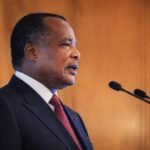
The Court, celebrating a quarter-century in operation, has long argued that its African docket mirrors referral patterns rather than bias. Fifteen African states asked the ICC to open cases on their soil, while several others, including Congo-Brazzaville, continue to champion its deterrent value in regional forums.
Yet discontent brewed as some leaders saw prosecutions of sitting heads of state as encroachment on sovereignty. The Sahel bloc’s decision therefore feeds into a broader debate on how multilateral justice and national politics intersect in conflict zones increasingly dominated by juntas and private security providers.
Calendar
Diplomats in New York say no withdrawal letter had arrived by the end of September 2025. Should one be filed in October, the earliest exit date would be October 2026. During that interim year the Court retains full jurisdiction over crimes committed up to the final day of membership.
The timeline also matters for ongoing preliminary examinations in Mali dating back to 2012. Any case opened before the effective withdrawal would legally survive, reinforcing The Hague’s insistence that the announcement does not wipe the slate clean overnight.
Actors
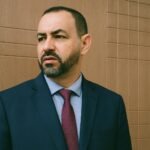
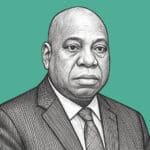
Mame Mandiaye Niang, a Senegalese jurist who became deputy prosecutor in 2022, voiced concern over what he called a “very energetic campaign” painting The Hague as a threat to Sahelian leaders. He suggested powerful actors opposed to accountability are orchestrating the narrative, seizing on fears of foreign interference.
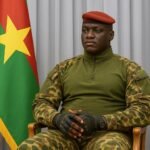
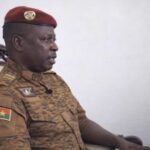
The juntas led by Capt. Ibrahim Traoré in Ouagadougou, Col. Assimi Goïta in Bamako and Brig. Gen. Abdourahmane Tiani in Niamey, all propelled to power between 2020 and 2023, frame the move as restoring judicial sovereignty. Their spokespersons insist domestic tribunals can deliver justice more swiftly and in tune with local realities.
Scenarios
The three capitals announced plans for a Sahel Special Court mandated to prosecute war crimes, genocide, terrorism and transnational organised crime. Mr Niang welcomed the initiative, stressing complementarity: the ICC steps in only when national or regional courts are unwilling or unable.
If the Sahel Court materialises with credible safeguards, Bamako, Ouagadougou and Niamey could argue that victims will not lose a path to redress. Conversely, failure to secure funding, personnel or political independence could leave a justice vacuum, complicating peace processes and cooperation with partners such as the African Union.
Human-rights Perspective
Amnesty International called the withdrawal a “worrying setback” for global efforts against impunity. The NGO points to mounting allegations of summary executions in counter-terror operations across the Sahel and fears that domestic investigators lack resources to handle complex, multi-jurisdictional files.
Rights advocates also warn that a one-year grace period might tempt perpetrators to accelerate abuses before the ICC window closes. The Court’s Office of the Prosecutor says it will continue gathering evidence and could still issue indictments during the countdown.
Regional Security Stakes
The Sahel faces a patchwork of insurgent groups, from Jama’at Nasr al-Islam wal-Muslimin to Islamic State affiliates. Cooperation on extradition and evidence-sharing remains essential, and an abrupt institutional break with The Hague risks isolating investigators. Neighbouring states, including Congo-Brazzaville, watch closely, mindful that legal fragmentation could spill over into wider security forums such as the African Union’s Peace and Security Council.
Looking Ahead
For now, the balance between sovereignty and universality hangs on a procedural act: the delivery of a letter in New York. Until then, the ICC retains its mandate, the Sahelian juntas retain their political narrative and victims retain hope that at least one court will hear their claims.
The coming months will test whether the promised Sahel Special Court can move from communiqué to courtroom. Success would redefine regional ownership of justice; failure would reinforce critics who argue that impunity, not neo-colonialism, is the real enemy.