Ce qu’il faut retenir
South Sudan’s already brittle calm is fraying after the government levelled murder, crimes against humanity and treason accusations against suspended Vice-President Riek Machar. His Sudan People’s Liberation Movement-In Opposition dismisses the indictment as a political witch-hunt designed to dismantle the 2018 accord that ended five years of civil war.
The confrontation has triggered calls for “regime change”, while Ugandan troops entered Juba to reinforce President Salva Kiir’s forces. United Nations officials warn the country is “teetering on the brink” of renewed conflict, raising alarms for a region still absorbing the shockwaves of Sudan’s separate war.
Deepening political rift
Ties between Kiir and Machar have never fully healed since the 2013 split that ignited fighting which killed an estimated 400,000 people. Ethnic loyalties—Kiir’s Dinka versus Machar’s Nuer—still define many command chains. SPLM-IO deputy leader Oyet Nathaniel Pierino says the latest charges place “peace and stability in serious jeopardy”.
Nearly three weeks after clashes in Upper Nile State between the White Army militia and government troops, Machar was placed under house arrest. The subsequent legal onslaught, critics argue, aims to sideline him before long-promised elections, postponed four times since independence in 2011.
Fragile peace architecture
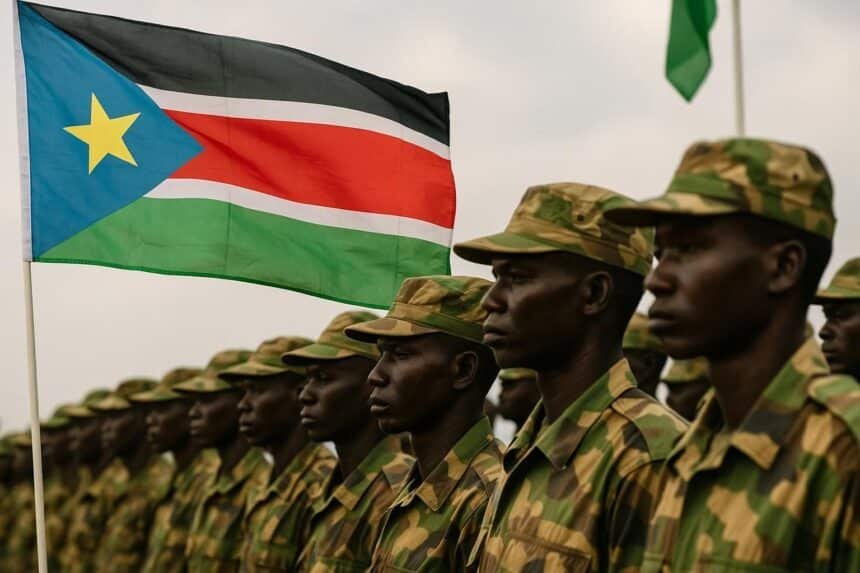
The 2018 agreement envisaged a 83,000-strong unified army, a new constitution and an African Union-backed hybrid court. None of these pillars has materialised. Thousands of fighters remain in autonomous militias, while survivors await justice for past atrocities. Delayed elections deepen doubts about the pact’s credibility.
Resistance to the hybrid court is intense within the ruling elite, many of whom fear potential prosecution. Machar’s camp portrays the treason case as a substitute tribunal aimed exclusively at opposition figures, not at those implicated in wartime abuses on all sides.
Militarisation around Juba
Seven Ugandan lorries carrying heavily armed soldiers and armoured vehicles rumbled into the capital this week, expanding a March deployment conducted under a bilateral defence agreement. Officially, Kampala is supporting border security; diplomatically, the reinforcement bolsters Kiir at a delicate moment.
Observers note no parallel mobilisation by SPLM-IO forces, offering a narrow window for de-escalation. Yet the appearance of foreign troops in the streets fuels public unease about sovereignty and the possibility of proxy confrontations drawing in neighbouring states.
Oil wealth, empty coffers
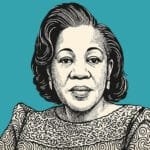
A 101-page UN report, Plundering a Nation, alleges that more than US$25 billion in oil revenues has been systematically diverted since 2011 (UN Commission on Human Rights, 2024). Chair Yasmin Sooka brands corruption the “engine of South Sudan’s decline”, warning that billions meant for hospitals and schools vanish through opaque deals.
Justice Minister Joseph Geng Akech rejects the dossier, blaming shortfalls on conflict, climate shocks and volatile crude prices. Nonetheless, the accusations resonate with citizens who still lack roads, electricity or reliable salaries, intensifying frustration that could morph into armed dissent if political channels close.
Watching the docket
Machar met his lawyers last weekend, signalling readiness to contest the charges whenever a court date is fixed. Legal experts argue treason carries the death penalty, raising the stakes for a defendant who remains a signatory to the peace agreement and a sitting member of the presidency.
Should the trial proceed, it could test South Sudan’s judiciary, widely viewed as under-resourced and vulnerable to executive pressure. A conviction risks galvanising Machar loyalists; an acquittal might embolden opposition claims of government overreach. Either outcome could reshape the delicate balance inside the unity cabinet.
Regional implications
Inter-communal violence in South Sudan often spills across porous frontiers. Crisis Group analyst Daniel Akech warns that “scores of armed groups seem to be gearing up” for wider confrontation. The Intergovernmental Authority on Development—Igad—serves as guarantor of the peace deal, yet its members are simultaneously managing Sudan’s separate war and domestic pressures.
A relapse into conflict would send new refugee waves toward Ethiopia, Uganda and Sudan, complicating humanitarian operations already stretched by climate-induced floods and droughts. For continental diplomacy, the Machar trial has become a litmus test of whether negotiated settlements can withstand personalised power struggles.